
Last updated November 22, 2026
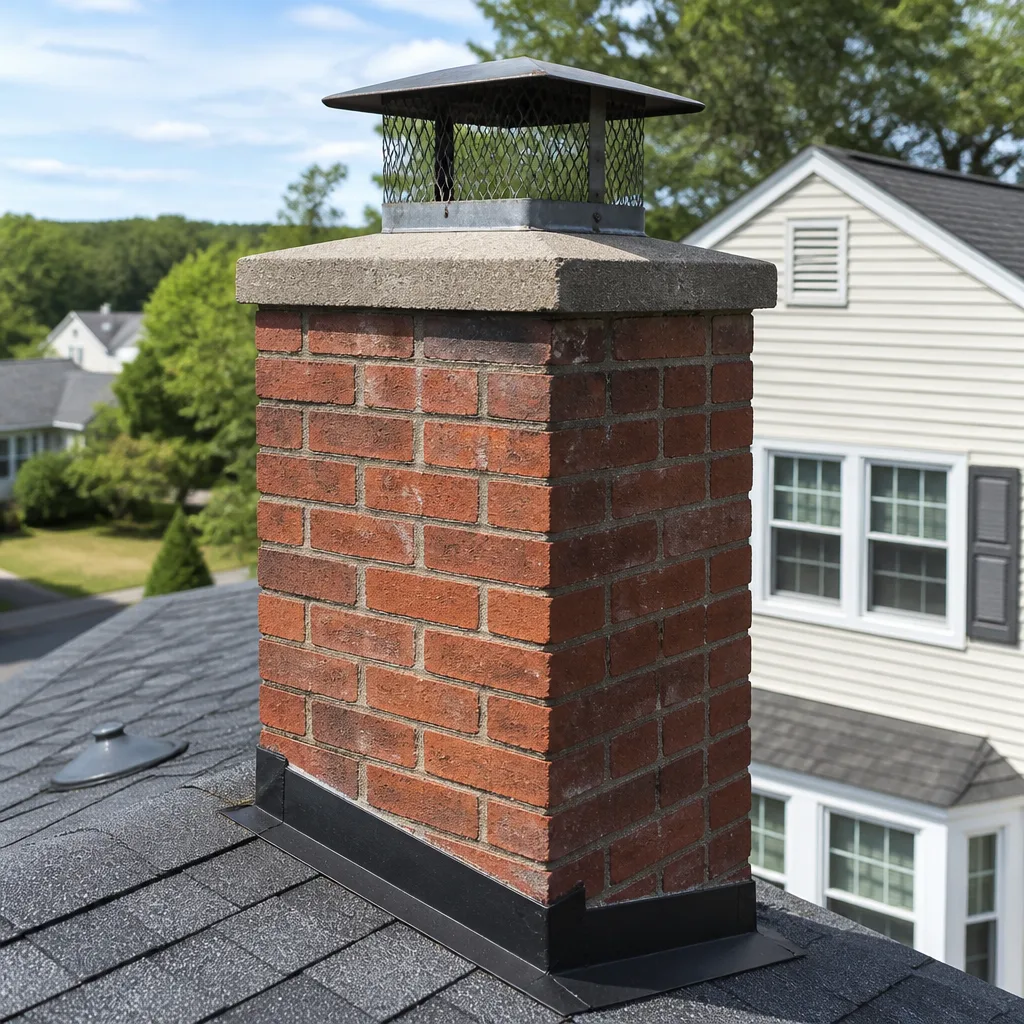 Sweep & inspection
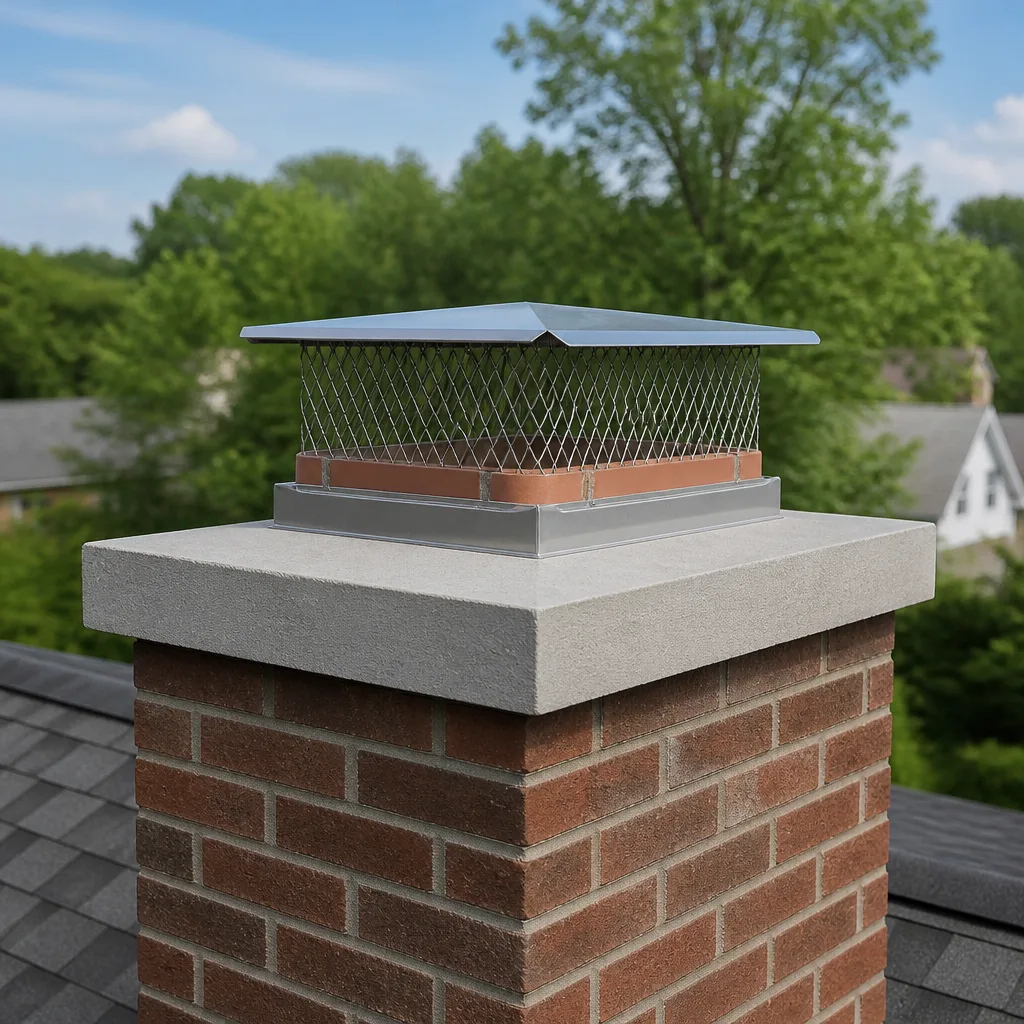 Caps & crowns
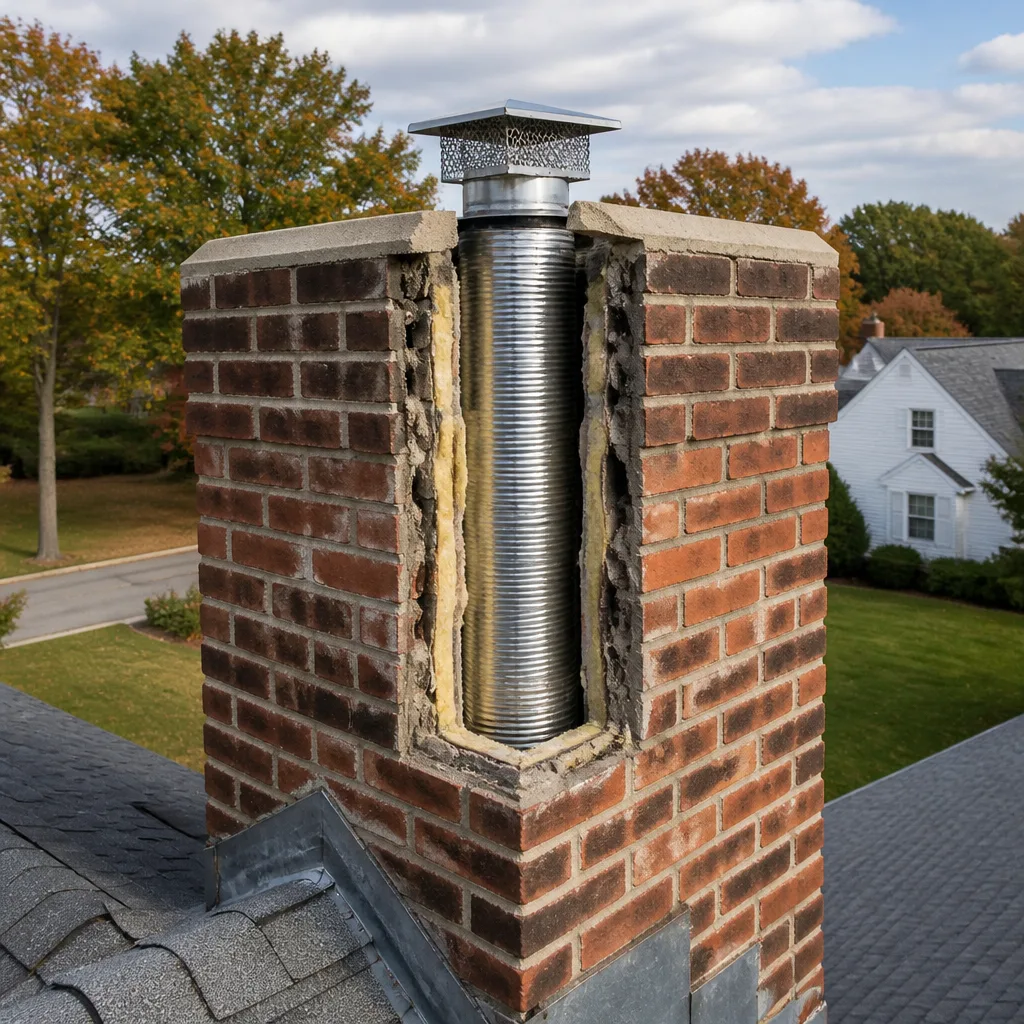 Flue relining
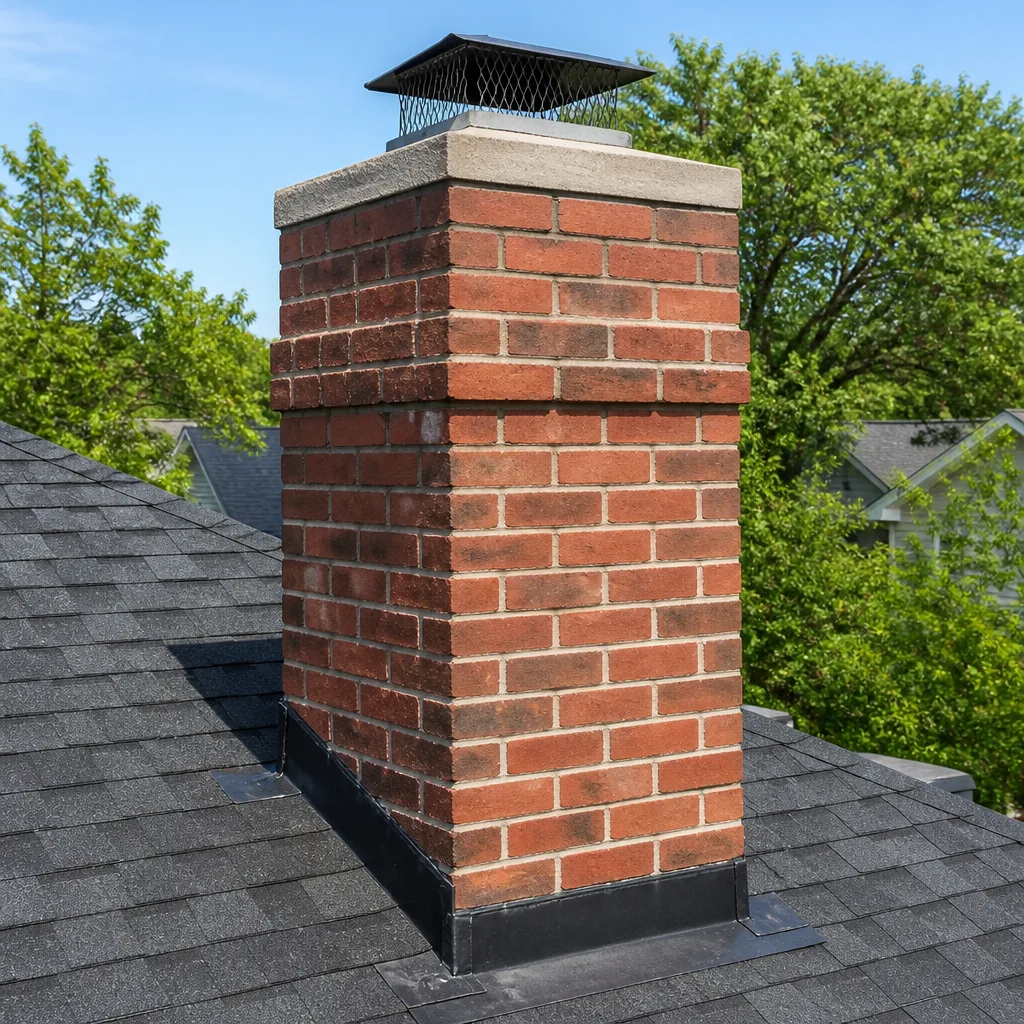 Masonry repair
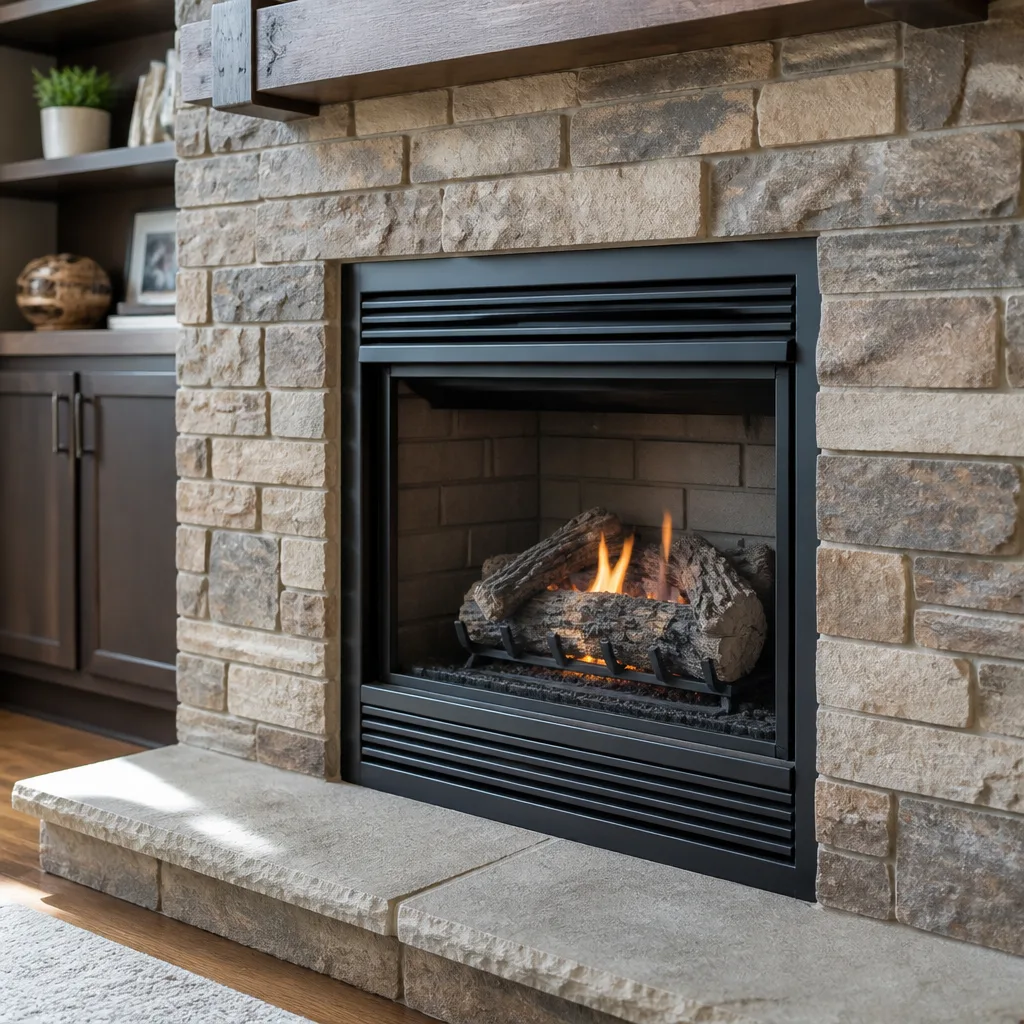 Gas fireplace service
Level 1 sweep and inspection to the NFPA 211 annual standard - flue, crown, cap, and flashing checked and photographed
Chimney sweep logs do not sweep chimneys. They loosen some creosote - which then falls where a brush and vacuum still have to collect it.
Chimney Sweep Maintenance Checklist for Sun Valley Homeowners
Most chimney maintenance checklists floating around online were written for houses in New England or the Pacific Northwest, where the threats are snow load, freeze-thaw cycles, and months of hard freezing. Sun Valley is a different job entirely. Our chimneys fail in their own predictable patterns: mortar that dries and cracks through triple-digit summers, crowns that get chewed up by wind-driven debris, and flues that collect whatever the Santa Ana winds blow in. If you follow a generic checklist, you’ll spend your attention on the wrong problems and miss the ones that actually matter here. This guide walks through a maintenance routine calibrated to how Sun Valley chimneys really age, from what you can safely check yourself to the annual work that belongs in the hands of a professional.
Quick Answer
A Sun Valley homeowner should sweep the chimney once a year before fire season, inspect it after every strong Santa Ana wind event, and check the cap and crown each spring as the hot season sets in. Anything involving the flue interior, the liner, or the crown needs a camera inspection from a professional; you can safely observe the firebox, the damper, and the exterior from the ground.
Styles & brands we work with
- Sweep & inspection
- Caps & crowns
- Flue relining
- Masonry repair
- Gas fireplace service
Table of Contents
- Why a Local Checklist Beats a Generic One
- Post-Santa-Ana-Wind Inspection Items
- Summer Off-Season Checks for a High-Heat Climate
- Pre-Fire-Season Sweep Timing
- What You Can Safely Check vs. What Needs a Camera
- Building a Maintenance Log That Actually Helps
- The Numbered Annual Routine
Why a Local Checklist Beats a Generic One
A chimney is a simple structure, but the way it fails depends almost entirely on what the weather does to it. In a cold climate, water gets into the masonry, freezes, expands, and splits the brick from the inside. In Sun Valley, the mechanism is different. We don’t get the hard freezes that drive that cycle, but we do get long stretches of intense dry heat, followed by seasonal moisture swings when the rain finally arrives. That combination attacks a chimney in ways a northern checklist never addresses.
Three local forces do most of the damage:
- Heat cycling. Sun Valley summers push triple digits for weeks at a time. Your flue tile, the mortar joints holding it, and the masonry around it expand and contract through that heat, and the mortar is the first thing to show the strain. Attic temperatures climb even higher, baking the upper portion of the flue where homeowners rarely think to look.
- Seasonal moisture swings. When the dry season breaks and rain returns, masonry that’s been baked for months absorbs water differently than masonry that’s stayed consistently damp or dry. Mortar joints erode, and small cracks open into bigger ones.
- Wind-driven debris. The Santa Ana winds don’t just blow; they carry grit, leaves, seed pods, and small branches. Whatever the wind picks up ends up in your flue, on your roof, and against your crown.
None of this means Sun Valley chimneys are in worse shape than anyone else’s. It means the maintenance priorities are ordered differently. If you’ve ever pulled up a national chimney checklist and wondered why it led with ice damage, this is why. The right checklist for a Sun Valley home starts with heat and wind, not snow.
Post-Santa-Ana-Wind Inspection Items
Every strong Santa Ana wind event deserves a walk-around. These winds are the single biggest source of sudden chimney problems in Sun Valley, and the damage they cause is usually visible from the ground if you know what to look for. You don’t need a ladder for most of it. Here’s what to check after the wind dies down:
- The flue opening. Look down into the firebox with a flashlight and shine it up toward the damper. If you see a fresh accumulation of leaves, twigs, or grit that wasn’t there before, debris has entered the flue. Never reach up into the flue by hand; note what you see and let a professional clear it.
- The chase cover and cap. A chase cover is the metal or masonry top that seals a prefab chase, and wind is its main enemy. Look for lifted edges, missing fasteners, or panels that have shifted out of place. A cap that’s been knocked loose or bent lets water and animals straight into the flue.
- The crown. The crown is the concrete cap at the very top of a masonry chimney, and it takes the full force of the wind. From the ground or a safe vantage, look for new cracks, chunks missing from the edge, or separation where the crown meets the flue tile.
- The roof and flashing. Wind can lift flashing or drive debris against the roofline around the chimney. You’re not diagnosing it, just noticing anything that looks newly disturbed.
- Surrounding trees. A branch that’s now overhanging the chimney is a future debris source and a fire-risk concern. Note it for trimming.
If any of these turn up something, that’s the moment to get a professional eye on it rather than waiting for the annual sweep. Wind damage tends to compound: a loose cap becomes a water problem, and a water problem becomes a masonry problem. Catching it in the days after the wind is far cheaper than catching it a season later. If you’d rather have the whole system looked at at once, a Chimney Sweep Sun Valley inspection covers the flue, cap, crown, and firebox in a single visit.
Summer Off-Season Checks for a High-Heat Climate
Winter is when you use the fireplace, but summer is when Sun Valley chimneys quietly take the most wear. This is the season most homeowners skip, and it’s the one that matters most here. High heat does specific things to a chimney system, and knowing them tells you what to watch.
The biggest one is the effect of sustained heat on flue tile mortar. Your flue is lined with clay tiles joined by mortar, and that mortar is designed for the temperatures of a fire, not for weeks of ambient heat radiating through an attic that can climb well past 110°F. Under that kind of heat, the mortar joints dry out and lose flexibility. Hairline cracks can open up, and once they do, the flue is no longer a sealed path for smoke and gases. You won’t feel this from inside the house. It shows up on camera.
What to check in summer:
- Attic and chase access. If your chimney passes through an attic or a framed chase, look at the area around it for staining, rust on metal components, or any sign of movement. These are clues that heat or moisture is doing something.
- The firebox and damper. With the fireplace unused, open the damper and check that it moves freely and seals when closed. A damper that sticks in summer often means rust or warping.
- Exterior masonry. Walk the exterior and look for efflorescence, the white powdery staining that shows moisture moving through brick or mortar. In a dry climate like ours, that staining is a clear signal something’s leaking.
- The cap and crown again. Summer storms and heat combine to stress the crown. Cracks that were hairline in spring can widen by late summer.
Summer is also the right time to schedule proactive work, because the fireplace is idle and there’s no urgency forcing a quick decision. It’s the natural window for crown repair, cap replacement, or a liner assessment. That way, when the first cool evening arrives and you want a fire, the system is already ready. Our chimney cap & crown service exists for exactly this: the two points where water gets in and the two points that fail most in a hot, windy climate.
Pre-Fire-Season Sweep Timing
Timing a chimney sweep to fire season is the single most useful scheduling habit a Sun Valley homeowner can build. Fire season here runs through the hot, dry months, and that’s when the chimney most needs to be clean and sound before you use it again. The practical rule is simple: get the sweep and inspection done before the burning season starts, not after you’ve already had your first fire and noticed a problem.
Why the timing matters so much in this region comes down to how fire weather and chimney condition interact. During fire season, the air is dry, the winds pick up, and the whole region is on alert. A chimney that’s carrying a heavy creosote load or has a cracked flue is a hazard in any season, but the stakes are higher when everything around it is tinder-dry and the wind is pushing embers. A clean flue with an intact liner is the baseline for safe burning, and getting there requires a sweep before the season, not during it.
Here’s the timing routine we recommend:
- Late spring or early summer: Book the annual sweep and inspection. The fireplace is idle, the weather allows full access to the roof and exterior, and any repairs the inspection turns up can be done without rushing.
- Before the first fire of the season: Confirm the sweep is done and any recommended repairs are complete. Don’t light the first fire on a chimney you haven’t had checked since last season.
- Throughout fire season: Do a quick visual check of the firebox and exterior after any significant wind event, and watch for smoke backing into the room, which signals a draft or blockage problem.
- After the season: This is when the post-season inspection catches the wear the burning months added, and when you book the next pre-season sweep.
If you’re not sure when your last sweep was, that’s your answer: it’s due. A chimney sweep clears the creosote and debris so the inspection can actually assess the flue, because you can’t properly evaluate a liner you can’t see through the buildup. The sweep is the starting point; the inspection tells you what the flue actually needs.
What You Can Safely Check vs. What Needs a Camera
One of the most useful distinctions in chimney maintenance is between what a homeowner can safely observe and what genuinely requires a professional with a camera. Getting this line right protects you from injury and protects your chimney from well-intentioned damage. Here’s the split.
What you can safely check yourself
- The firebox: look for cracked brick, crumbling mortar, or loose pieces. Observe; don’t repair.
- The damper: open and close it, check that it seals, listen for grinding or sticking.
- The firebox floor and ash pit: note buildup and condition.
- The exterior from the ground: crown cracks, cap condition, chase cover edges, efflorescence, and anything that looks newly disturbed after wind.
- Smoke behavior: does the fireplace draft well, or does smoke spill into the room?
What requires a professional camera inspection
- The full length of the flue liner and every mortar joint between tiles.
- The smoke chamber, the sloped area above the damper that’s hard to see and prone to creosote buildup.
- The condition of the crown where it meets the flue, and any hidden flashing details.
- Whether the liner is sealed, cracked, or deteriorated enough to need resurfacing or relining.
The reason the flue interior is off-limits is straightforward: it’s the part of the system where the real problems hide and where a homeowner can’t safely or accurately assess anything. A cracked liner or a failed mortar joint isn’t visible from the firebox, and guessing at it is how people end up either ignoring a real problem or paying for work they didn’t need. A camera inspection puts the evidence in front of you, and the recommendation should follow the footage, not precede it. If a repair is suggested, you should be able to see why. Our technicians have up to 13 years of experience reading exactly these inspections, and we show the findings rather than just reporting them.
Building a Maintenance Log That Actually Helps
Most homeowners never keep a chimney log, which is a shame, because the next technician to look at your chimney is working half-blind without one. A maintenance log is a simple record of what’s been done and what’s been observed over time, and after a few years it becomes genuinely valuable: it shows patterns, it dates repairs, and it tells the next inspector what to expect before they even get on the roof. Here’s what to record after every sweep and inspection.
- Date and service performed. Sweep, inspection, cap replacement, crown repair, liner work. Note who did it and what was involved.
- Camera findings. If an inspection included a camera, write down what it showed: liner condition, mortar joint condition, any noted cracks or gaps. This is the data that matters most.
- Creosote level. Note the degree of buildup found. Over time, this tells you how fast your particular fireplace accumulates creosote and how often it really needs sweeping.
- Repairs recommended and whether they were done. A recommendation that was deferred is important context for the next visit.
- Weather events worth noting. If a major Santa Ana wind event preceded the inspection, note it. It explains any new debris or cap damage.
- Photos. Before-and-after photos of the flue, crown, or cap are worth more than any written note. Keep them with the log.
The format doesn’t need to be fancy; a folder with printed sheets or a shared document works fine. What makes it useful is consistency. After a few seasons, you’ll have a clear picture of how your specific Sun Valley chimney ages, which is far more useful than a generic “annual maintenance” reminder. Your next inspector will thank you, and you’ll make better decisions about when to repair versus replace.
The Numbered Annual Routine
Here’s the full yearly routine in the order it should happen. This is the checklist to actually follow, built for how Sun Valley chimneys age rather than how northern ones do.
- Late spring: book the annual sweep and camera inspection. Get it on the calendar before the heat builds. This is the anchor of the whole routine.
- Early summer: exterior check. After the sweep, walk the exterior and inspect the crown, cap, chase cover, and masonry. This is when proactive repair work gets scheduled, while the fireplace is idle.
- Mid-summer: firebox and damper check. Test the damper, inspect the firebox for cracked brick or mortar. Note anything that needs follow-up.
- After any major Santa Ana wind event: post-wind walk-around. Check the flue opening for debris, the cap and chase cover for damage, and the crown for new cracks.
- Before the first fire of the season: confirm everything’s done. No open recommendations, no unresolved camera findings. Light the first fire on a system you know is sound.
- Through fire season: observe. Watch for smoke spillage, odd smells, or draft problems, and note anything worth reporting.
- After the season: update the log. Record what the burning months added, and book next year’s sweep.
That’s the whole routine. It’s not complicated, but it’s specific, and that specificity is what makes it work in this climate. The routine pairs naturally with the broader work we do, from the fireplace repair side of the system to the structural side up at the crown, so you’re not juggling multiple contractors to cover one chimney.
Common Mistakes to Avoid
- Following a checklist written for a cold climate. If your maintenance routine leads with ice and freeze damage, it’s steering you away from the heat and wind damage that actually takes a toll in Sun Valley. Rewrite the priorities around summer heat and Santa Ana winds.
- Skipping the post-wind inspection. Wind damage is the most common sudden problem in Sun Valley, and it’s usually visible from the ground. Waiting until the annual sweep to notice a loose cap means a season of water getting in.
- Assuming the firebox is the whole chimney. The firebox is what you see; the flue, smoke chamber, and crown are where the expensive problems live. A clean firebox tells you almost nothing about the liner.
- Doing flue work yourself. Reaching into the flue, climbing the roof without proper equipment, or attempting masonry repair on the crown are all jobs that cause injuries and make small problems worse. Observe, don’t touch.
- Ignoring summer. The off-season is when the flue tile mortar dries and cracks under sustained heat. A chimney checked only in winter misses the season that does the most quiet damage.
- Not keeping records. Without a log, every inspection starts from zero, and you lose the ability to see how your chimney is aging over time.
- Scheduling the sweep after fire season starts. Timing the sweep to fire season means getting it done before, not during, the months when you most need a clean, sound flue.
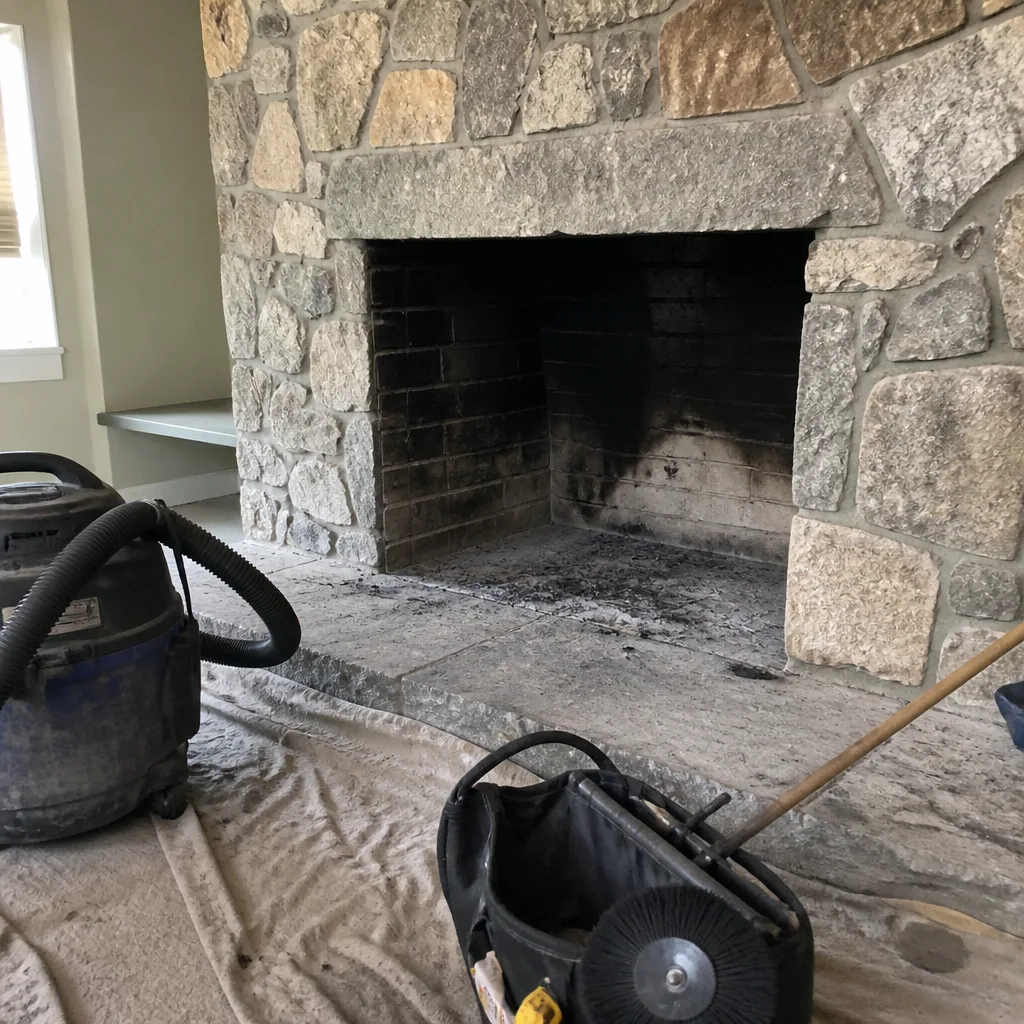
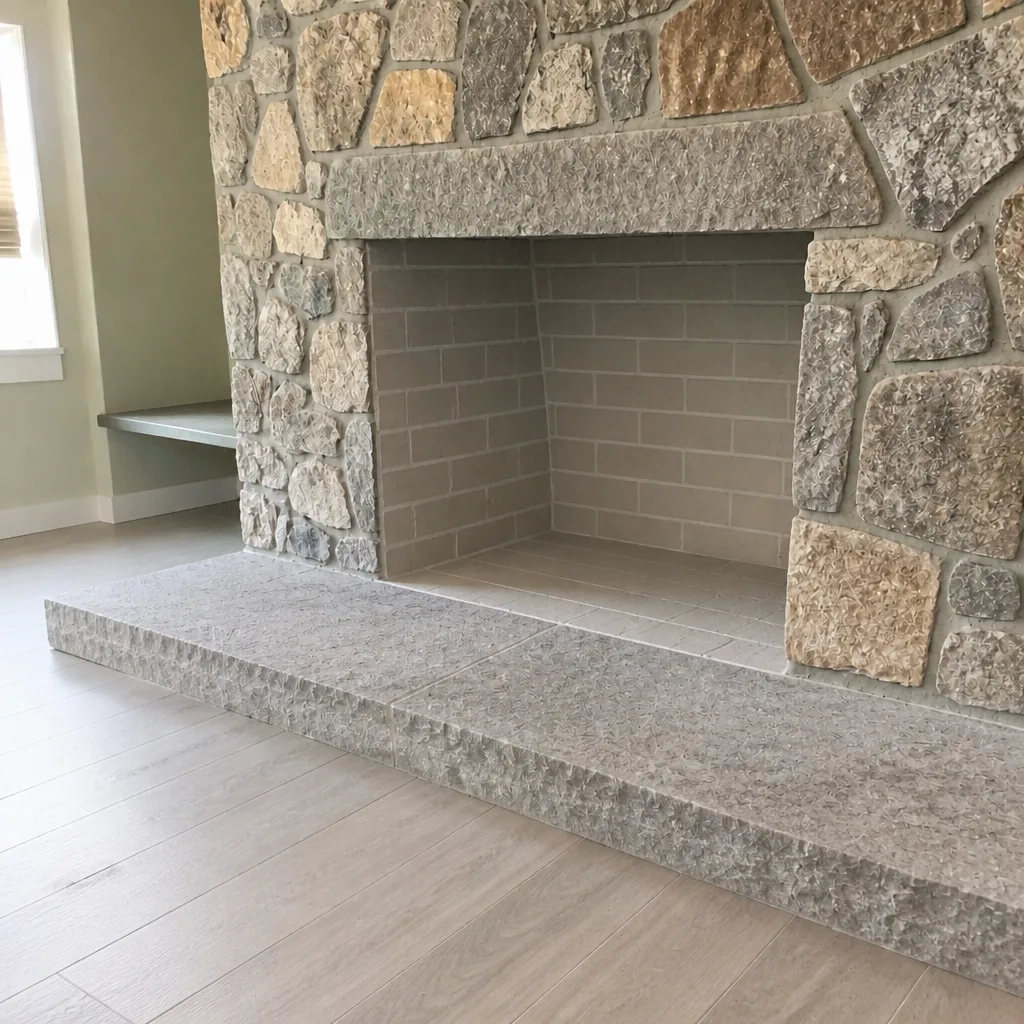
See the difference
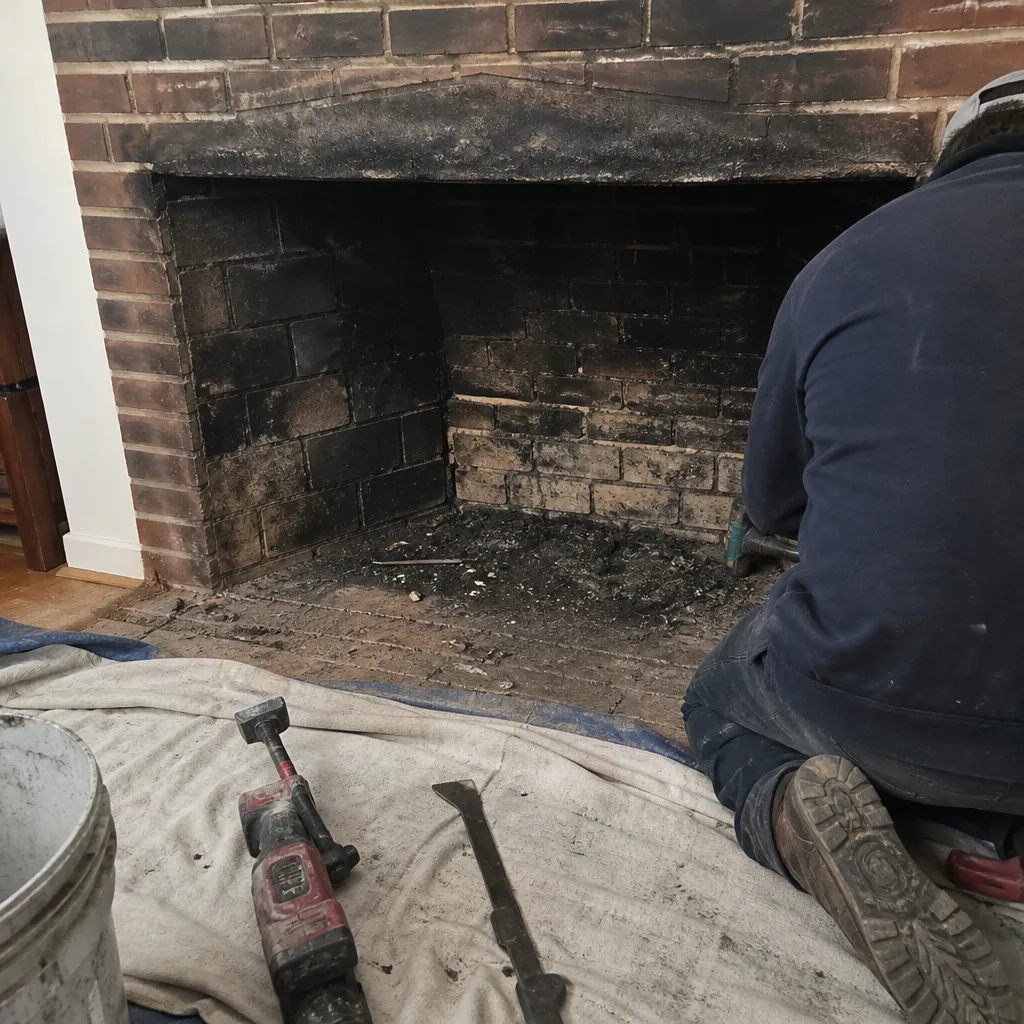 Before
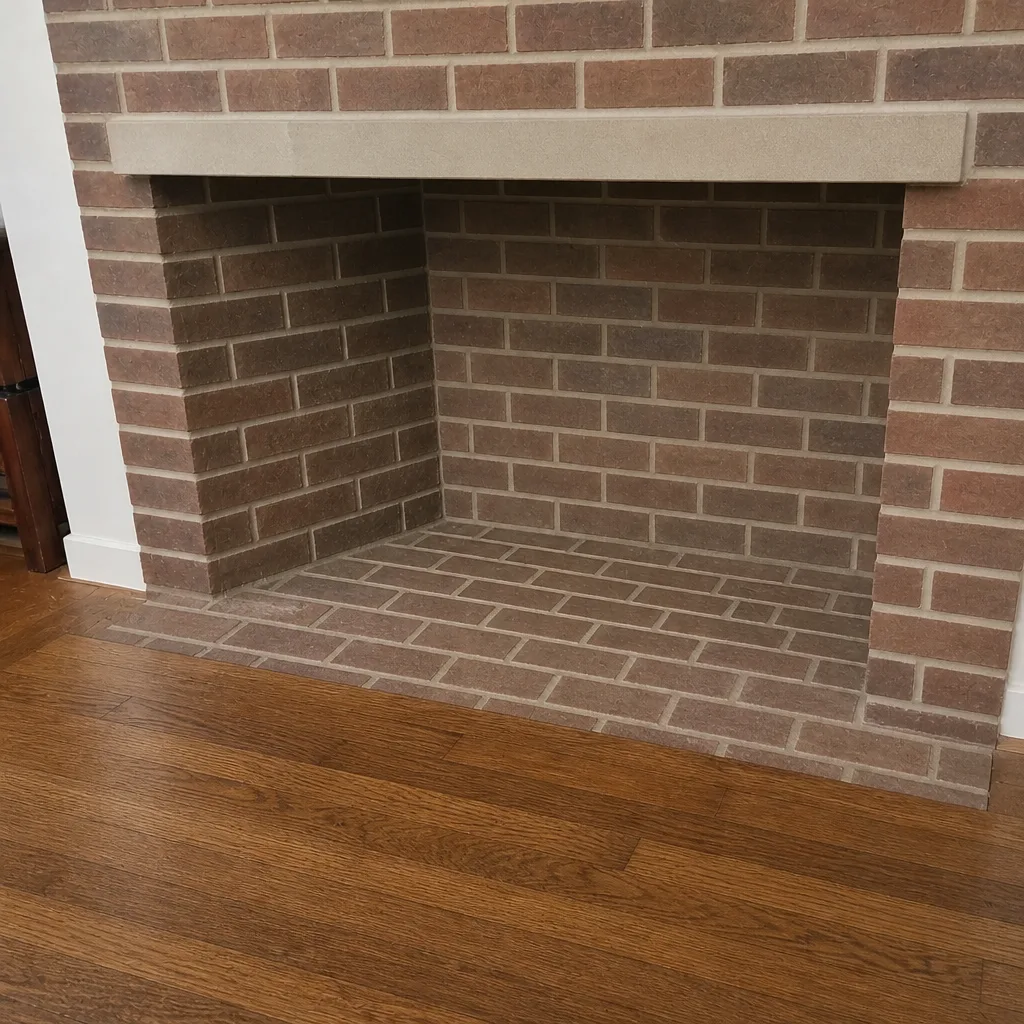 After
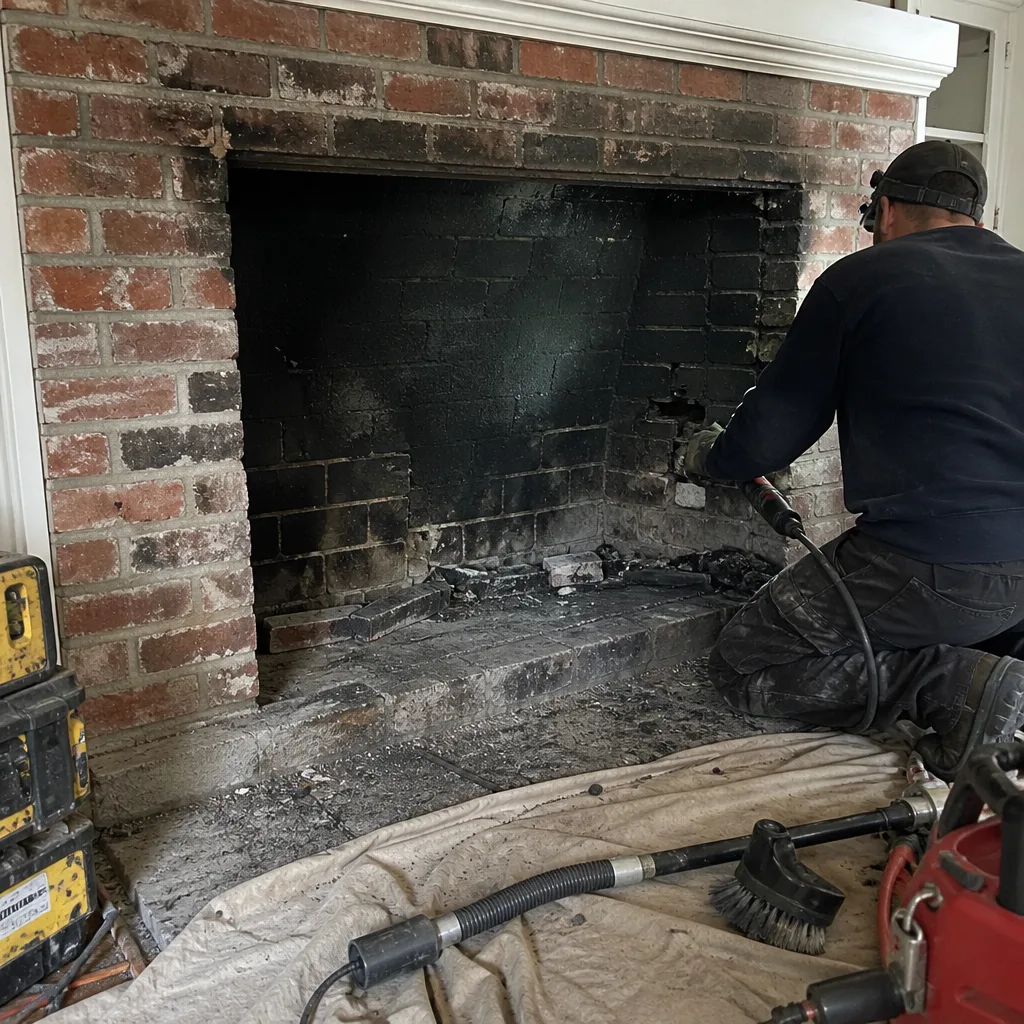 Before
 After
 Before
 After
When to Call a Professional
Some jobs are annual maintenance. Others are calls you make right away. Call a professional if you see debris inside the flue that you can’t safely clear, a cap or chase cover that’s loose, bent, or missing after a wind event, or new cracks in the crown. Call if smoke backs into the room when you light a fire, if you smell smoke when no fire is burning, or if you notice staining or efflorescence on the exterior masonry. Call before the first fire of the season if you can’t confirm the chimney has been swept and inspected since last year. And call if a previous inspection flagged a liner or mortar problem and you deferred it; deferred work doesn’t resolve itself. Chimney Sweep Sun Valley offers free estimates in Sun Valley. Call (855) 710-2744. We answer 24/7. Fast dispatch from 7am to 7pm, Sunday through Friday.
Frequently Asked Questions
Once a year, before fire season, is the baseline for a home that uses its fireplace regularly. A chimney with heavy use, or one that accumulates creosote quickly, may need more frequent attention, and the camera inspection will tell you if that’s your situation. Call (855) 710-2744 for an exact quote; estimates are free.
You need a walk-around after every major wind event, and a professional inspection if the walk-around turns up anything. The walk-around you can do yourself from the ground. Debris in the flue, a damaged cap, or a disturbed crown means a professional visit is warranted right away. Call (855) 710-2744 for an exact quote; estimates are free.
You can look into the firebox and up toward the damper with a flashlight, but you can’t see the full flue, the smoke chamber, or the liner condition that way. Assessing the flue interior safely requires a professional camera inspection. Call (855) 710-2744 for an exact quote; estimates are free.
Sun Valley’s triple-digit summers and seasonal moisture swings stress the flue tile mortar and crown in ways a cold climate doesn’t, so the maintenance priorities differ. Heat cycling, mortar erosion, and wind-driven debris do most of the work here, not freeze damage. Call (855) 710-2744 for an exact quote; estimates are free.
Record the date and service performed, the camera findings, the creosote level, any repairs recommended or done, relevant weather events, and photos. This gives the next technician real data to work from and helps you spot how your chimney is aging. Call (855) 710-2744 for an exact quote; estimates are free.
Creosote builds up and the flue becomes harder to assess, while small cracks in the liner or crown get a full season to worsen unnoticed. Skipping maintenance doesn’t stop the chimney from aging; it just means you find the problems later and more expensively. Call (855) 710-2744 for an exact quote; estimates are free.
The Bottom Line
A chimney maintenance checklist is only useful if it’s built for the climate the chimney actually lives in. For Sun Valley, that means putting heat cycling, mortar erosion, and wind-driven debris at the top, and putting freeze damage where it belongs: irrelevant here. Sweep before fire season, inspect after every strong Santa Ana wind, check the crown and cap through the hot months, and keep a log so each inspection builds on the last. Do the observing yourself and leave the flue interior, the liner, and the crown work to a professional with a camera. Do that, and your chimney will age the way it should, with problems caught while they’re still small.
If you’re not sure where your chimney stands, we can take a look and show you what we find. Call (855) 710-2744 for a free estimate. We answer 24/7. Fast dispatch from 7am to 7pm, Sunday through Friday.
Written by the team at Chimney Sweep Sun Valley.