
Last updated November 22, 2026
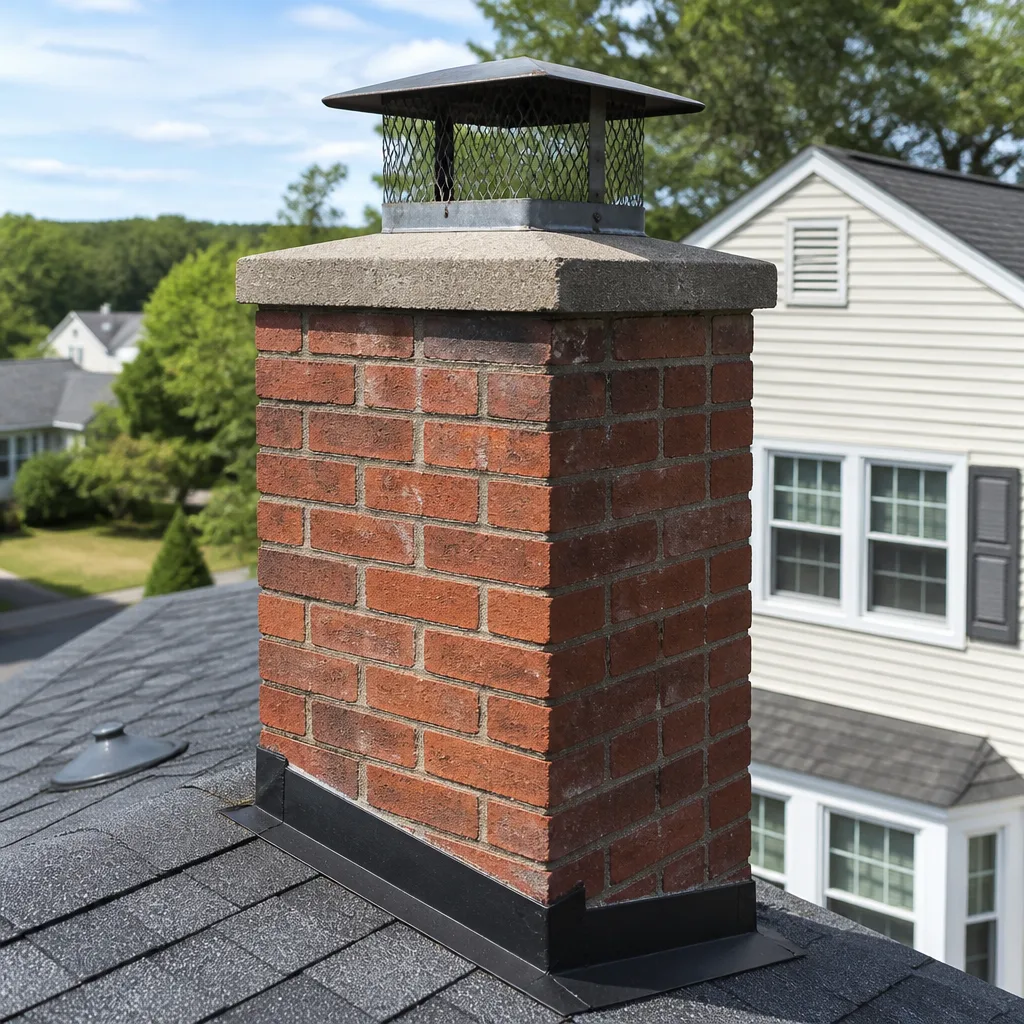 Sweep & inspection
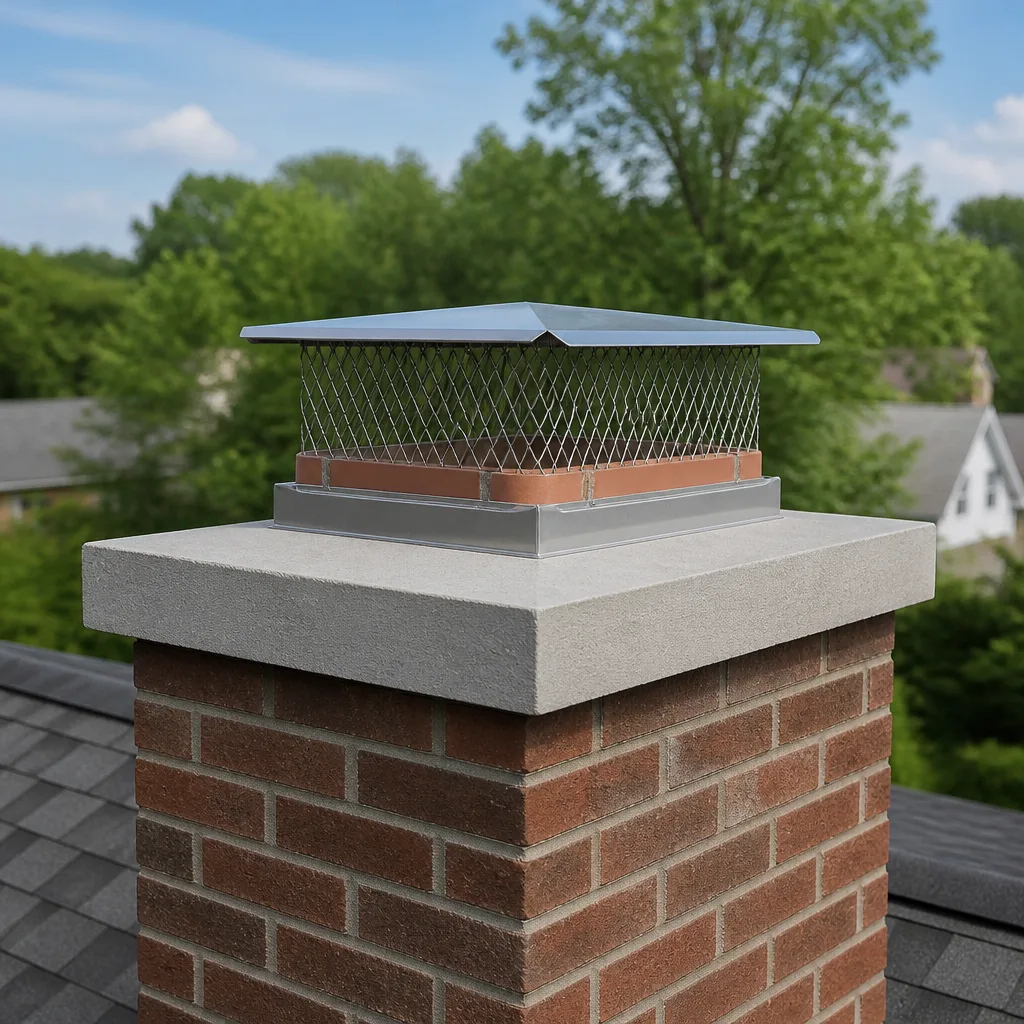 Caps & crowns
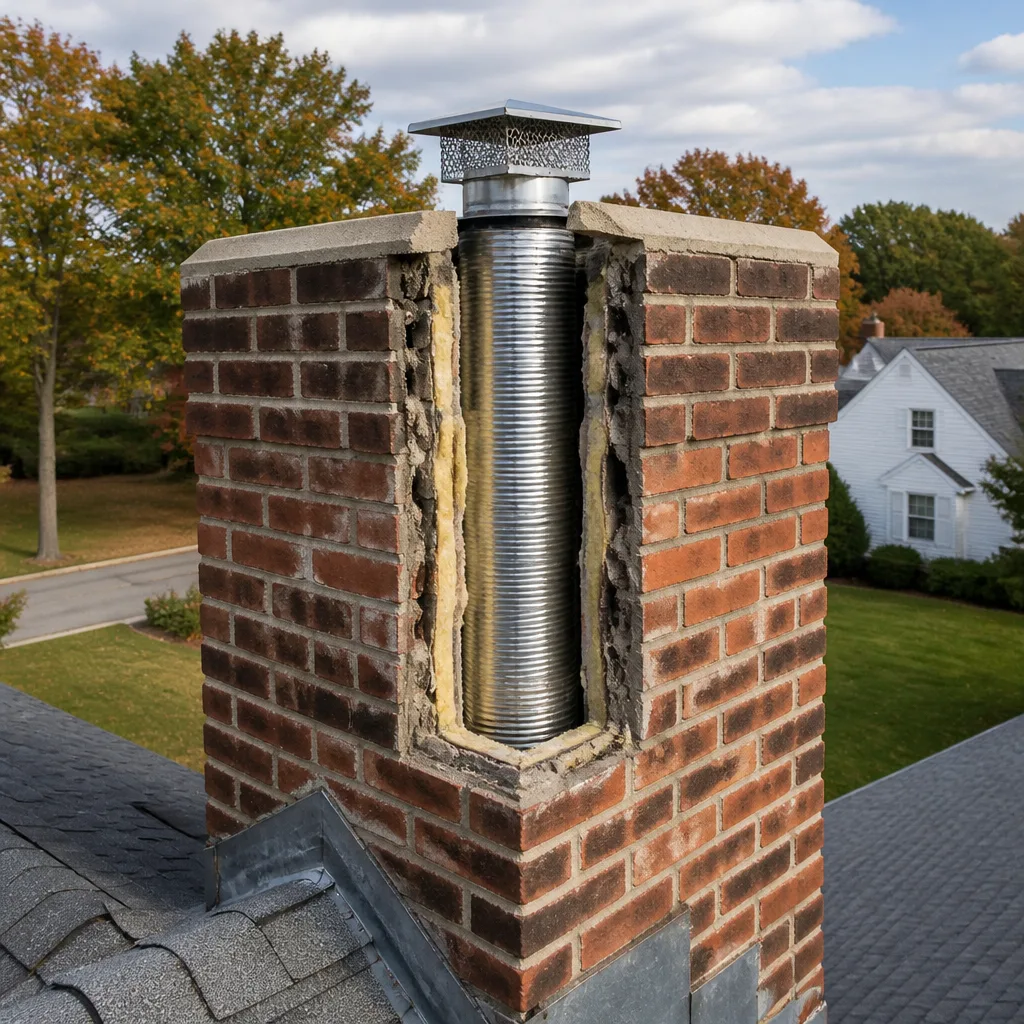 Flue relining
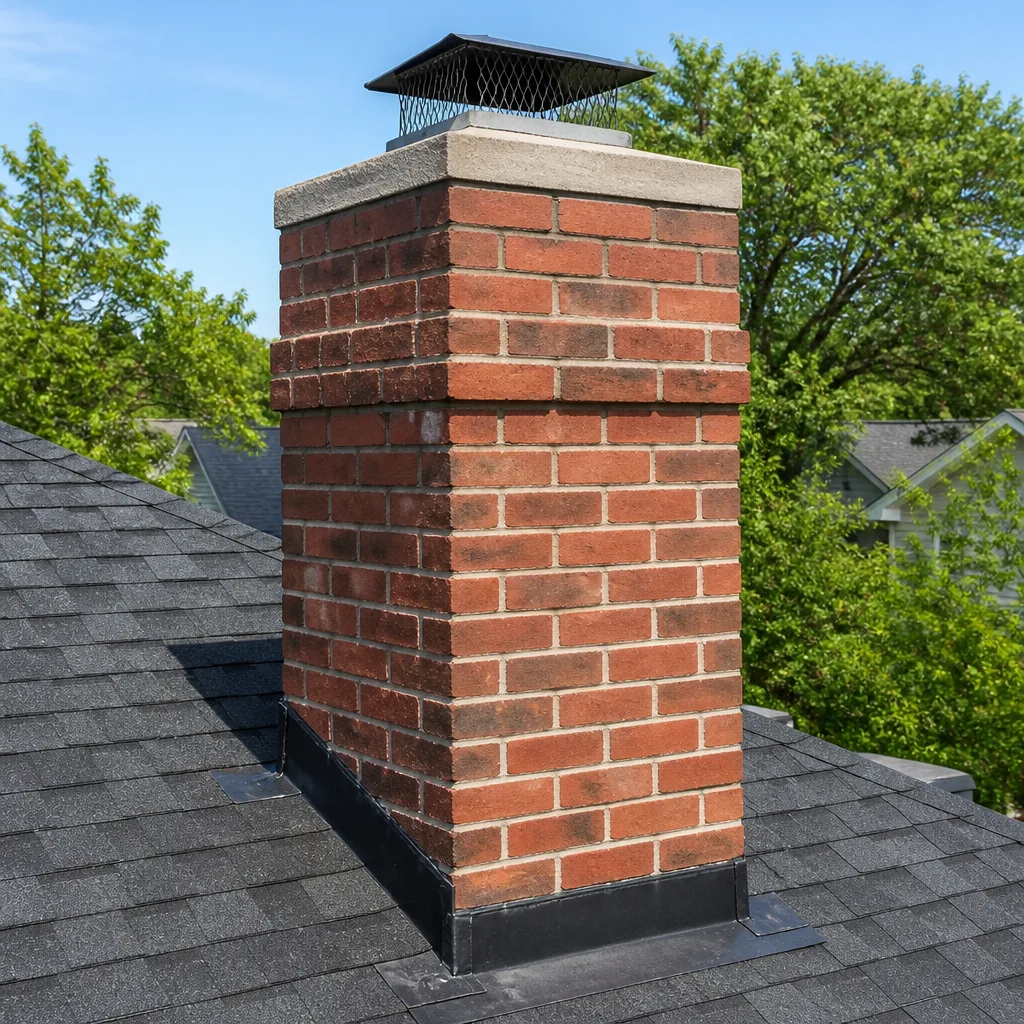 Masonry repair
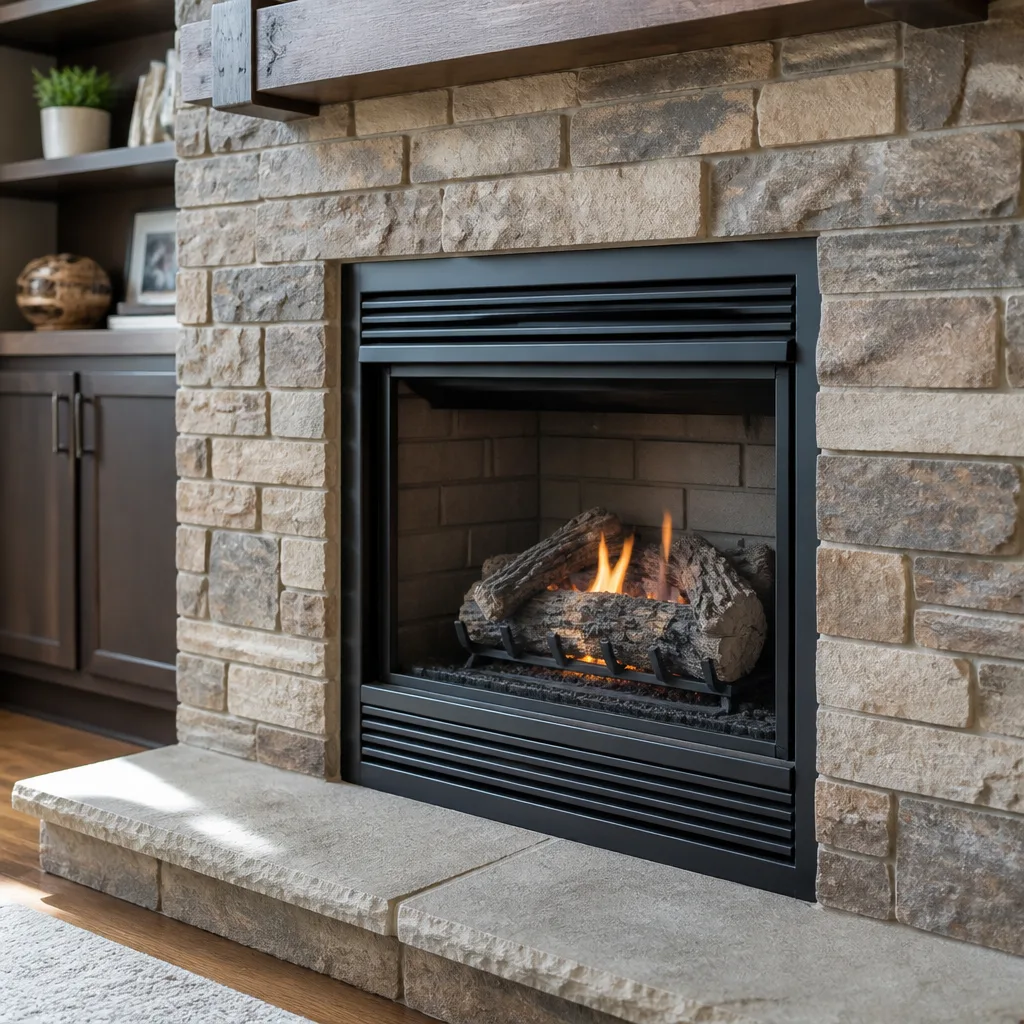 Gas fireplace service
Level 1 sweep and inspection to the NFPA 211 annual standard - flue, crown, cap, and flashing checked and photographed
Chimney sweep logs do not sweep chimneys. They loosen some creosote - which then falls where a brush and vacuum still have to collect it.
Choosing the Right Chimney Cleaning Brand: A Buyer’s Guide for Sun Valley
Two sweeps can repair the same crown on the same afternoon, and the finished work can look identical from the driveway. One repair holds for years. The other starts crumbling within a couple of seasons. The difference isn’t skill alone. It’s the materials, and where those materials came from. Most homeowners never think to ask what brand of mortar, coating or sealant goes into a chimney repair until something fails and someone has to dig it back out. In this guide we’ll walk through the product categories where quality actually matters, the questions that separate a specialist from a generalist, and how to read what a contractor tells you. All of it framed for Sun Valley, where tile roofs and stucco walls hide a lot of deferred chimney work.
Quick Answer
The right chimney cleaning brand in Sun Valley is the one that specifies professional-grade repair materials by name – like HeatShield ceramic resurfacing or DuraFlex liner systems – and can show you written warranties on that work. National franchises and generalist handymen often use retail-grade products because that’s what their business model supports. A dedicated chimney specialist uses materials specified by the trade, not the aisle at the hardware store.
Styles & brands we work with
- Sweep & inspection
- Caps & crowns
- Flue relining
- Masonry repair
- Gas fireplace service
Table of Contents
- Why the Brand Question Isn’t About Franchises
- The Product Categories Where Quality Actually Matters
- How to Ask a Contractor What Materials They Use
- National Franchises vs. Independent Specialists
- The Professional Product Lines You Won’t Find at Home Depot
- Verifying Product Warranties and Written Guarantees
- Questions That Reveal How a Contractor Operates
- How to Verify a Chimney Pro in Sun Valley
Why the Brand Question Isn’t About Franchises
Most homeowners searching for the “best chimney cleaning company” assume the answer is a national brand with a recognizable logo. That’s a reasonable instinct. It’s also the wrong question for the work that actually matters. The brand name on the truck tells you almost nothing about what’s going into your flue. What matters is the brand on the material – the coating on your crown, the mortar in your firebox, the sealant around your chase cover.
We see this play out constantly in Sun Valley. A homeowner calls us after a repair from a different outfit has failed. The repair looked fine for a season. Then the crown coating started flaking, or the mortar around the firebox cracked out, or the chase cover began rusting at the seams. Nine times out of ten, the material used was a retail-grade product scooped up the same morning. It’s the same job. It’s a different product with a different service life. And the recipe for a long-lasting repair has more to do with the supply chain behind the contractor than the name on their shirt.
Here’s the counterintuitive point: national franchise chimney brands often have less control over their materials than a small independent specialist. Franchises buy through corporate supply agreements. Generalists buy whatever’s convenient. A specialist who specifies professional-trade brands does so because they’ve watched the cheap stuff fail. That’s the difference you want on your side.
The Product Categories Where Quality Actually Matters
Four categories of product determine whether a chimney repair will last. We work with them every week, and the gap between professional-grade and retail-grade is measurable in years of service life.
1. Crown Coatings
The crown is the concrete cap on top of your chimney. It sheds water away from the masonry below. When it cracks, water gets into the brick and freeze damage is impossible here, so instead the water finds its way down through the flue and into the firebox. A properly specified crown coating – meaning one designed for exterior masonry and UV exposure – will hold against Sun Valley’s summer sun for many seasons. Retail-grade sealants chalk, crack, and peel much faster. We install full crown rebuilds where needed, which you can read about on our chimney cap & crown page. Where a coating will do the job, the brand of coating matters as much as the application.
2. Flue Sealants
Flue sealants are used at joints, at the top plate, and around the smoke chamber. A poor sealant fails at the point where a chimney fire or carbon monoxide leak could start. Professional-grade sealants are formulated for high-temperature flue environments. Retail silicone from a home improvement store isn’t. That’s a hard line, and it’s one many homeowners never see until the failure happens.
3. Mortar Mixes
Firebox mortar is a specific material. It’s not the same as brick mortar used on a garden wall. It has to withstand continuous heat cycling without cracking out. Professional chimney specialists specify refractory mortar for firebox work and matched mortar for exterior repointing. A generalist will often reach for the same bag they use on a patio. The repair looks right and fails in a season or two.
4. Chase Covers
Chase covers are the metal caps on prefab chimney chases. On a tile-roof Sun Valley home, the chase cover is often the point where a slow leak has been running for years. A purpose-built cover from Gelco or Famco is fabricated to fit the chase and painted for exterior service. Site-bent sheet metal from a scrap yard will rust through at the seams. If you want to know why this matters as much as the sweep itself, our chimney sweep page covers what a professional sweep actually inspects.
How to Ask a Contractor What Materials They Use
The single best question you can ask any chimney contractor is direct: “What brand of crown coating, flue sealant, and mortar do you use, and can you put it in writing?” The answer tells you more than any review or logo.
Here’s how to run the conversation:
- Ask for brand names, not just “professional grade.” A specialist will name the products without hesitation. A generalist will offer a vague answer.
- Ask why they chose that brand. A specialist will tell you what they’ve seen fail and why the specified material holds up. That’s the answer that matters.
- Ask for a written warranty on the material itself. If the contractor won’t put a warranty on the repair work, that tells you how confident they are in what they’re installing.
- Ask where they source the material. Professional-trade distributors like Copperfield or Olympia Chimney supply the trade, not the retail shelf.
- Ask what happens if the repair fails. A clear answer in writing – not a verbal promise – is the standard you should expect.
If a contractor gets cagey on any of these, that’s the answer. A good specialist welcomes the question, because it lets them explain the difference between what they use and what the last guy installed.
National Franchises vs. Independent Specialists
The business model behind a chimney company shapes the materials that end up on your job. That’s worth understanding before you hire.
National franchises typically work from corporate supply agreements, standard pricing sheets, and a rotation of technicians who may or may not have chimney experience depending on the local franchise. Their advantage is consistency. Their limitation is that the material choices are made at the corporate level, not by the person standing on your roof.
Generalist handyman outfits are the other extreme. A pressure-washing company or general contractor that has added “chimney sweep” to the menu usually sources materials from the nearest hardware store because that’s what their workflow supports. They may be perfectly competent at what they do. But they aren’t specifying professional chimney products, and they often don’t know the difference. Their materials are the lowest-cost item that will get the job done today.
Independent chimney specialists sit somewhere different. They carry the trade’s product lines because they’ve watched the cheap stuff fail on jobsites. They specify HeatShield for flue resurfacing, DuraFlex for relining, and purpose-built caps from Gelco and Famco because those products solve the actual problems. They also know when a repair isn’t needed, which is a separate kind of value. If you want to know what a full inspection looks like from a specialist, our chimney inspection page lays it out.
The Professional Product Lines You Won’t Find at Home Depot
Here’s the practical gap. The product lines a chimney specialist uses are not sold at retail hardware stores. They’re distributed through trade suppliers, and they’re specified because they solve problems that retail products don’t.
- HeatShield – a ceramic resurfacing system that restores a deteriorated flue liner from the inside without a full relining. It’s used when the structural integrity of the flue is intact but the interior surface has spalled or cracked. The system lets us repair rather than replace, which saves cost when the structure allows it.
- DuraFlex – the professional-grade flexible liner standard for relining older or offset flues. When a clay tile liner has failed and a full replacement is needed, DuraFlex is the specification we work with. Cheaper one-size-fits-all liners exist. They don’t perform the same.
- Gelco and Famco – purpose-built chimney caps and chase covers. These are fabricated to fit the chimney and painted for exterior exposure. They keep water, debris, and animals out of the flue, and they’re installed as a fitted component, not as an improvised sheet-metal patch.
- Copperfield and Olympia Chimney – two of the most recognized professional chimney supply distributors in the trade. Specialists source through them because they carry the trade’s product lines with proper documentation and warranty support.
None of these are available at retail. That’s the point. The availability itself is the signal that the contractor is operating in the professional trade rather than improvising with hardware-store materials.
Verifying Product Warranties and Written Guarantees
A warranty is only as good as the contractor’s willingness to back the work in writing. Here’s how to check what you’re actually getting on a Sun Valley chimney repair.
- Ask for the material warranty in writing. A HeatShield installation or a DuraFlex liner system carries a manufacturer’s warranty. Ask to see it before work begins.
- Ask for the labor warranty in writing. The material warranty doesn’t cover the installation. A contractor who won’t put a labor warranty in writing is telling you something.
- Ask what void the warranty. Real warranties have clear terms. If the contractor can’t explain what does and doesn’t apply, that’s a warning sign.
- Ask who honors the warranty if the company is gone. Manufacturer warranties for products like HeatShield or DuraFlex survive the installer. That’s part of the point of using professional-grade lines.
- Ask for the warranty in the written estimate. If it isn’t in the estimate, it isn’t part of the job.
Verbal promises don’t count here. A contractor who says “we stand behind our work” but won’t put it on paper hasn’t made a commitment. A contractor who specifies HeatShield, DuraFlex, Gelco, or Famco and puts the warranty in the estimate has.
Questions That Reveal How a Contractor Operates
The material questions matter, but so do the operational ones. Here are the questions that separate a real specialist from a generalist who happens to own a brush.
- “What does your inspection actually include?” A real inspection includes a camera scope of the flue, a check of the firebox and damper, and a written report with photos. If the answer is “we look at it from the top,” that’s not an inspection.
- “Do you charge a trip fee?” A specialist should quote from the written estimate and quote the work as a scope. Ask before booking.
- “Are you a specialist or a generalist?” Chimney work isn’t a side service. If the answer is that chimneys are one of several things they do, that shapes the materials they use.
- “Do you subcontract the repair work?” A dedicated chimney specialist handles the full lifecycle in-house – cleaning, inspection, cap and crown, fireplace repair, and chimney repair. If the work gets handed off, you don’t know what material the sub is bringing.
- “Will you tell me when work isn’t needed?” An honest specialist will. If a repair can wait a year, we tell you. That’s part of the job.
If you want to see how this plays out on fireplace work specifically, our fireplace repair page gives the scope of what a proper repair involves.
How to Verify a Chimney Pro in Sun Valley
Before you hire in Sun Valley, run a quick verification. It takes about ten minutes and it filters out most of the noise.
- Confirm licensing and insurance. The local pro should be licensed and insured as their state requires. Ask for the certificate.
- Confirm the specialty. Search whether the company’s reviews and services focus on chimneys or on general handyman work.
- Confirm the materials. Ask for the brand names of the products they’ll use in writing. HeatShield, DuraFlex, Gelco, and Famco are the kind of names you should hear.
- Confirm the estimate. The written estimate should list the scope, the products, and the warranty. Estimates are free.
- Confirm the inspection report. Camera inspection and photo report should be part of the process. If it isn’t, ask why.
Sun Valley is full of tile-roof homes where the chimney hasn’t been looked at closely in a decade. A proper verification filters the noise and gets you to a specialist who knows what they’re specifying.
Common Mistakes to Avoid
- Hiring on the logo. A national brand truck doesn’t guarantee professional-grade materials. Ask what goes into the repair, not what’s painted on the side.
- Accepting “professional grade” as an answer. That’s a marketing phrase. Ask for brand names and a written warranty. The vague answer is the answer.
- Skipping the camera inspection. A chimney pro can’t tell you what your flue needs without seeing inside it. Insist on a camera scope and a photo report.
- Letting a generalist do the crown or flue work. Retail-grade coatings fail in a couple of seasons. The cost difference between a proper repair and a redo is a lot more than the material upgrade.
- Booking without a written estimate. Verbal pricing opens the door to scope creep. Get it in writing, including the material brands.
- Ignoring the firebox and chase cover. These are two of the most common failure points. A proper inspection covers both, not just the flue.
- Falling for “same day” urgency. Chimney work isn’t an emergency trade in Sun Valley’s mild winters. A careful sweep is booked, and the seasonal timing (before burning season) matters more than speed.
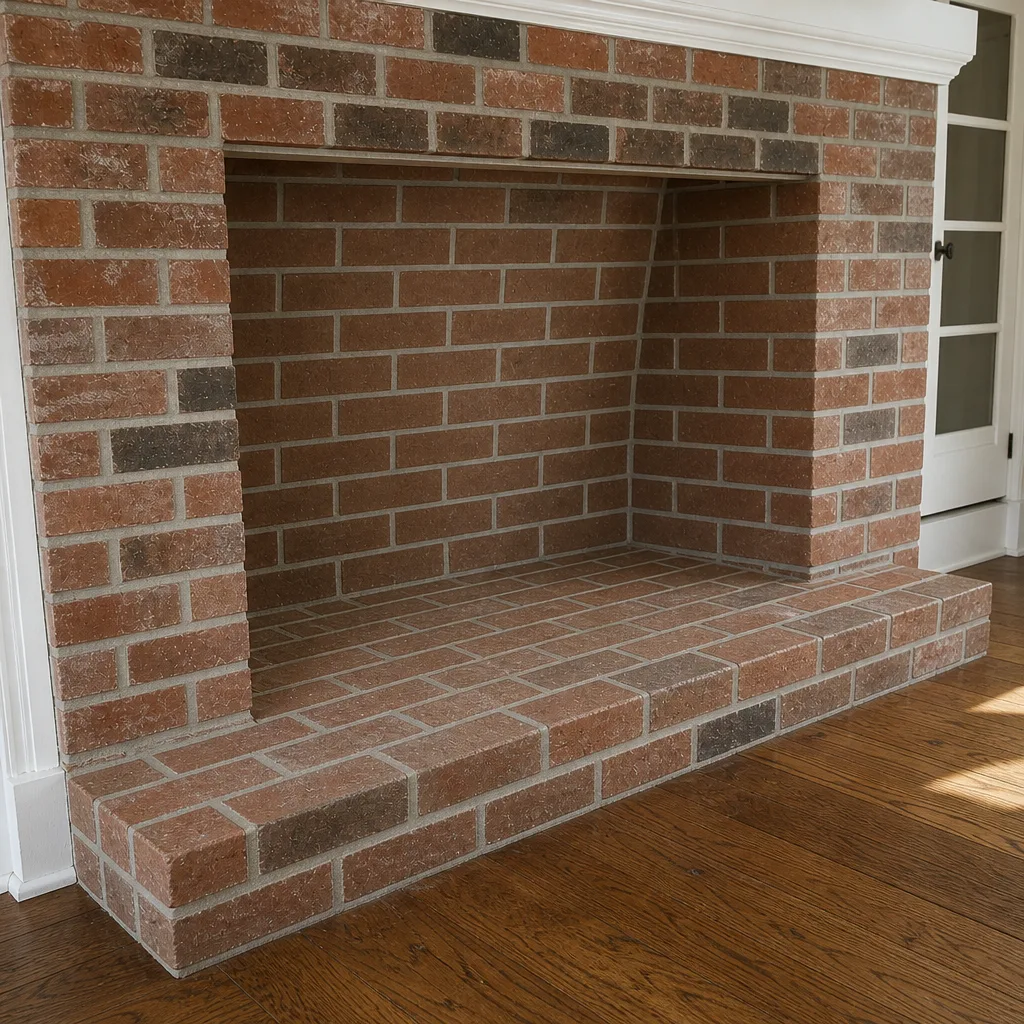
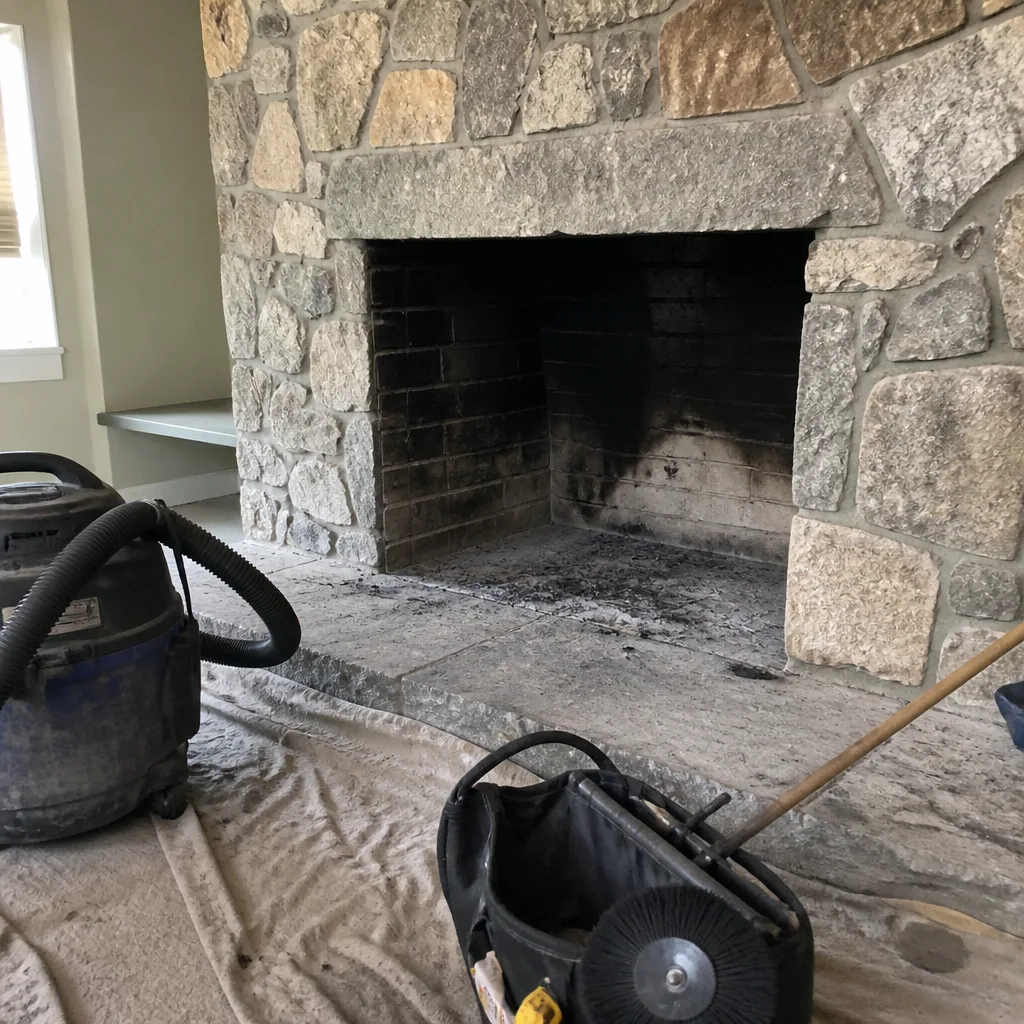
See the difference
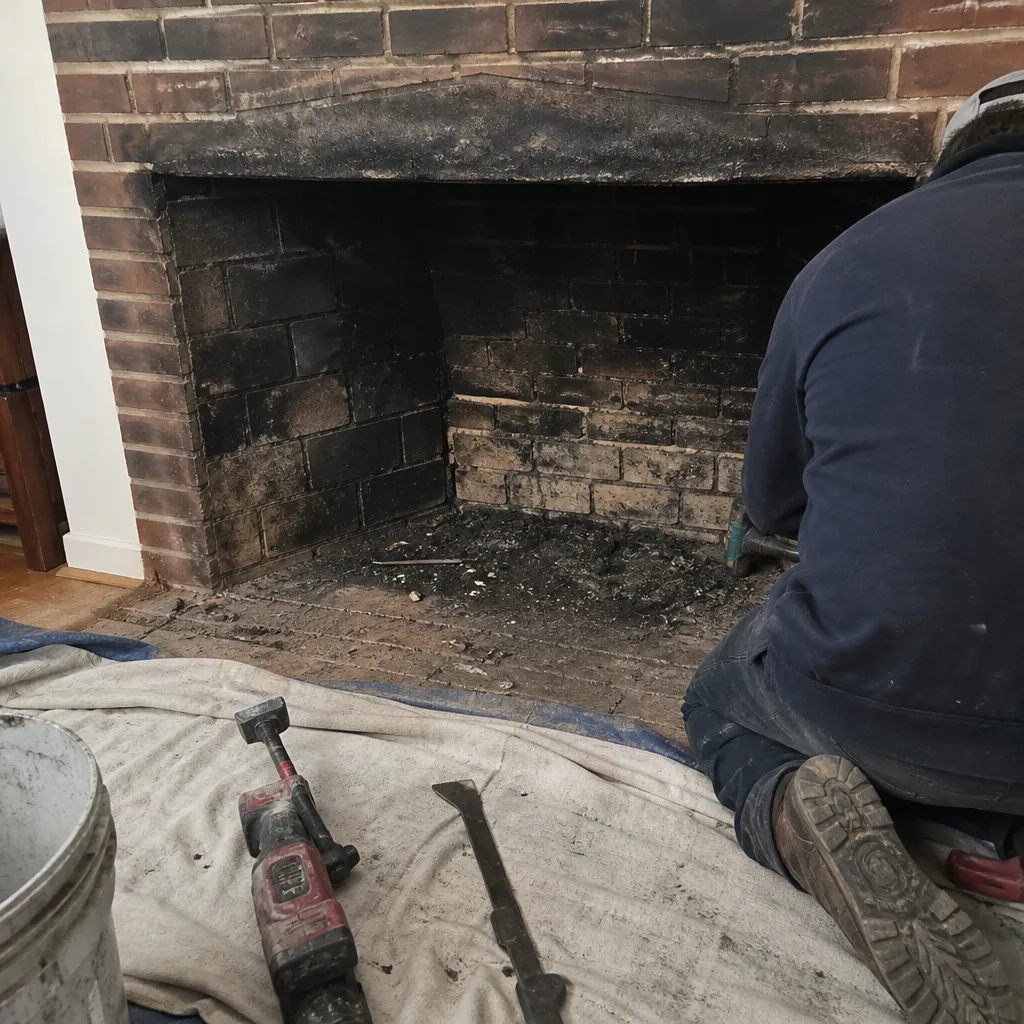 Before
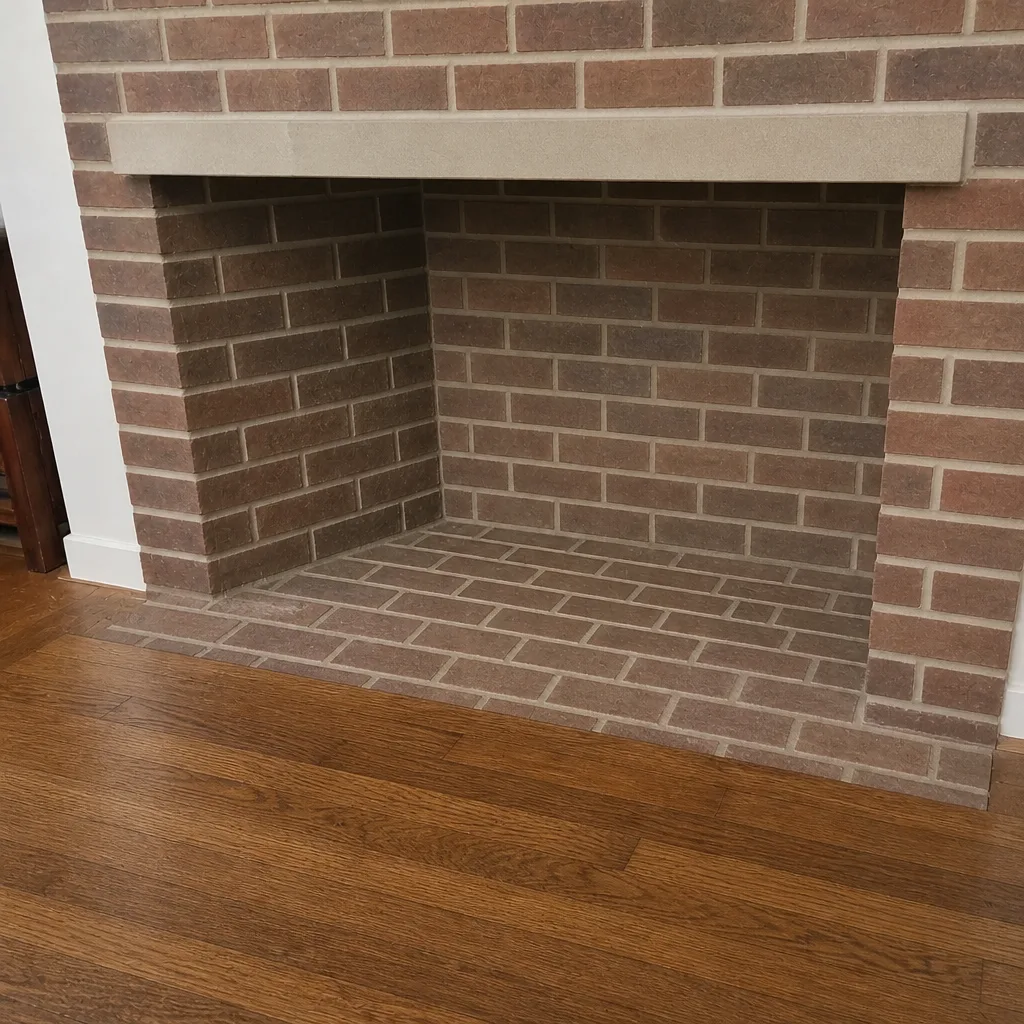 After
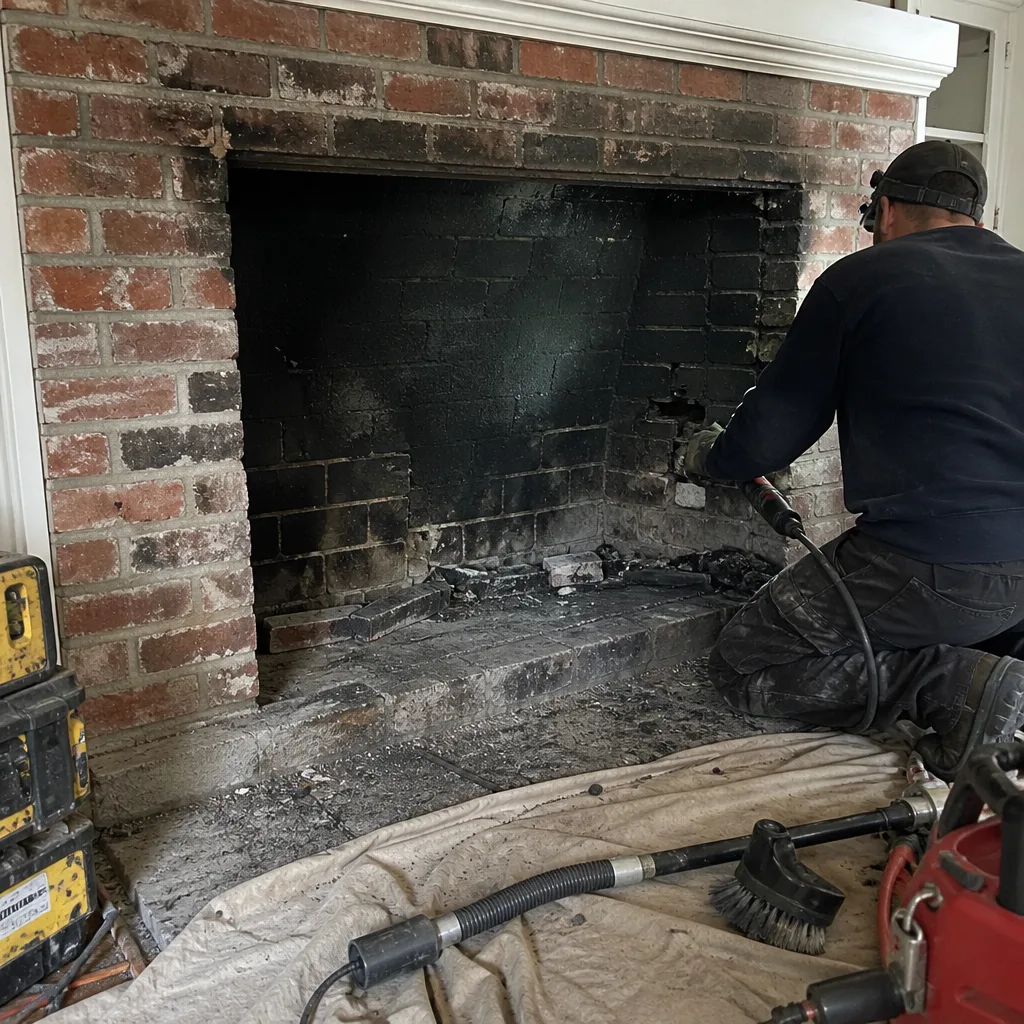 Before
 After
 Before
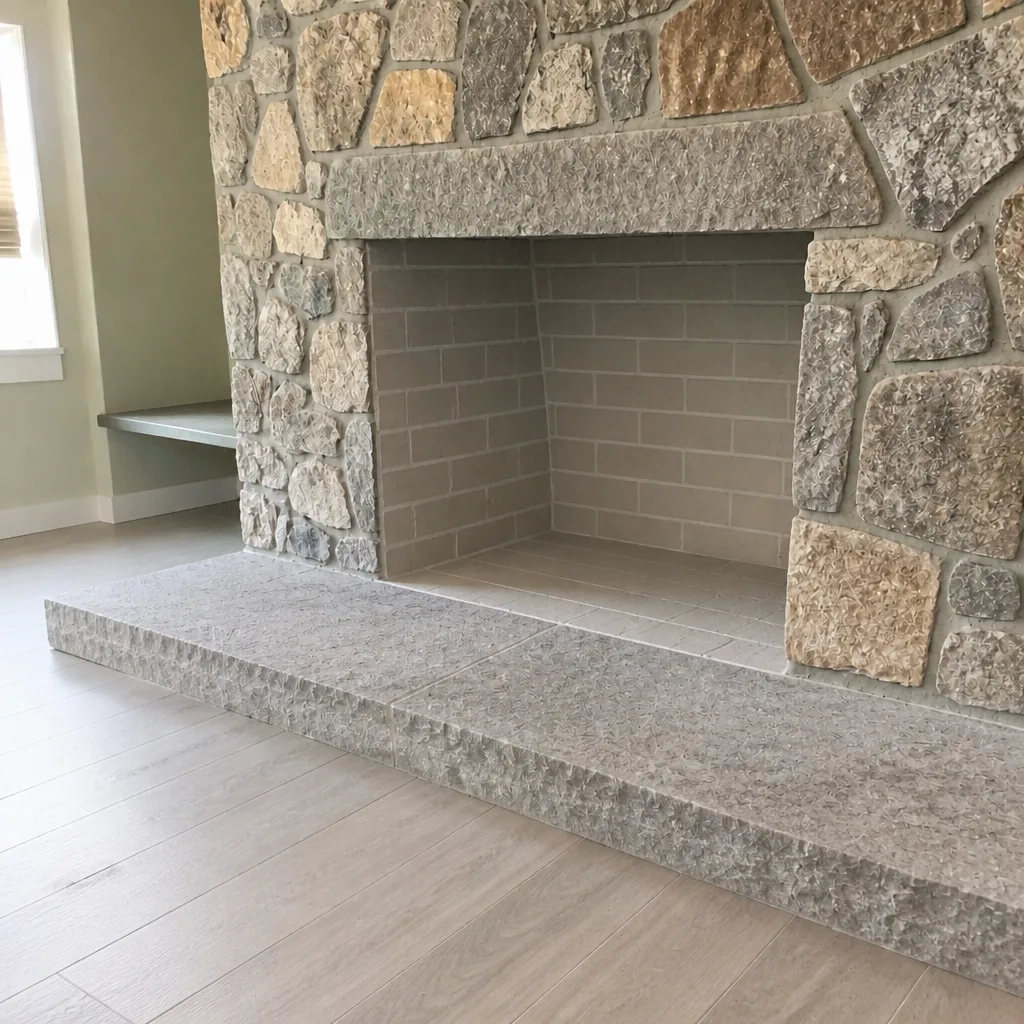 After
When to Call a Professional
You should call a professional chimney specialist when you’re seeing any of the following: visible cracking or spalling on the crown; water stains or rust inside the firebox; a strong creosote smell after burning; smoke rolling back into the room instead of going up the flue; visible cracking or crumbling on the chimney exterior; or it’s been more than a year since the last proper sweep and inspection. Do not climb onto the roof yourself to investigate. Chimney work involves height, heat exposure, and structural failure risk, and a ladder set on tile or stucco is a bad place to diagnose from. Chimney Sweep Sun Valley offers free estimates in Sun Valley – call (855) 710-2744. Estimates are free, and we’ll tell you plainly when work can safely wait.
Frequently Asked Questions
A specialist should use professional-trade lines like HeatShield for flue resurfacing, DuraFlex for relining, and Gelco or Famco for caps and chase covers, sourced through distributors like Olympia Chimney or Copperfield. If a contractor can’t name the materials, that’s your answer. Call (855) 710-2744 for a free estimate and we’ll walk you through what we specify for your chimney.
You need a new liner when the clay tile liner has failed structurally; you may only need a repair when the interior surface has spalled or cracked but the structure is intact. HeatShield ceramic resurfacing restores a flue interior when the structure allows it, which is a repair-rather-than-replace path. A camera inspection tells you which one applies. Call (855) 710-2744 – estimates are free and we’ll show you the camera footage.
For a sweep, the brand of the brush and vacuum matters less than the inspection that follows it. What matters for the brand question is the material brands the contractor uses for repairs, since those determine how long the work lasts. A sweep is the starting point. An inspection tells you what your flue actually needs. Call (855) 710-2744 to book both.
Once a year for most fireplaces, and more often if you burn daily or burn unseasoned wood. Sun Valley’s mild winters don’t extend creosote buildup time; they shorten the window when you can burn. Get the sweep in before burning season. Call (855) 710-2744 to book a sweep and inspection.
Creosote accumulates in the flue, and heavy creosote is a fire risk. A blocked or damaged flue is also a carbon monoxide risk. Both are real, both are preventable, and neither is the kind of thing you want to find out about from a smoke alarm. Call (855) 710-2744 – we’ll tell you plainly what your flue needs and what it doesn’t.
You need a new liner when the camera shows structural failure of the clay tiles or a gap between sections that no resurfacing can bridge. You don’t need one when the structure is intact and a resurfacing product will restore the interior. Ask to see the camera footage. Nothing is recommended without evidence you can see for yourself. Call (855) 710-2744 and we’ll show you what your flue actually looks like.
The Bottom Line
The brand question in chimney work isn’t about the logo on the truck. It’s about the product brand on your repair, backed by a written warranty. The specialists who do this well specify HeatShield, DuraFlex, Gelco, and Famco because those lines hold up. The generalists who added chimney work to their menu use retail-grade materials because that’s what their workflow supports. You won’t see the difference from the driveway for a season or two. Ask the questions in this guide before you hire. It’s the cheapest insurance against a repair that has to be done twice.
Chimney Sweep Sun Valley handles the full lifecycle from the firebox to the crown: sweeping, inspection, cap and crown work, fireplace repair, and chimney structural repair. Our technicians have up to 13 years of experience, and we work with the same materials professional chimney engineers specify. Visit Chimney Sweep Sun Valley for the full picture. Call (855) 710-2744 for a free estimate. We answer 24/7. Fast dispatch from 7am to 7pm, Sunday through Friday.
Written by the team at Chimney Sweep Sun Valley.