
Last updated November 22, 2026
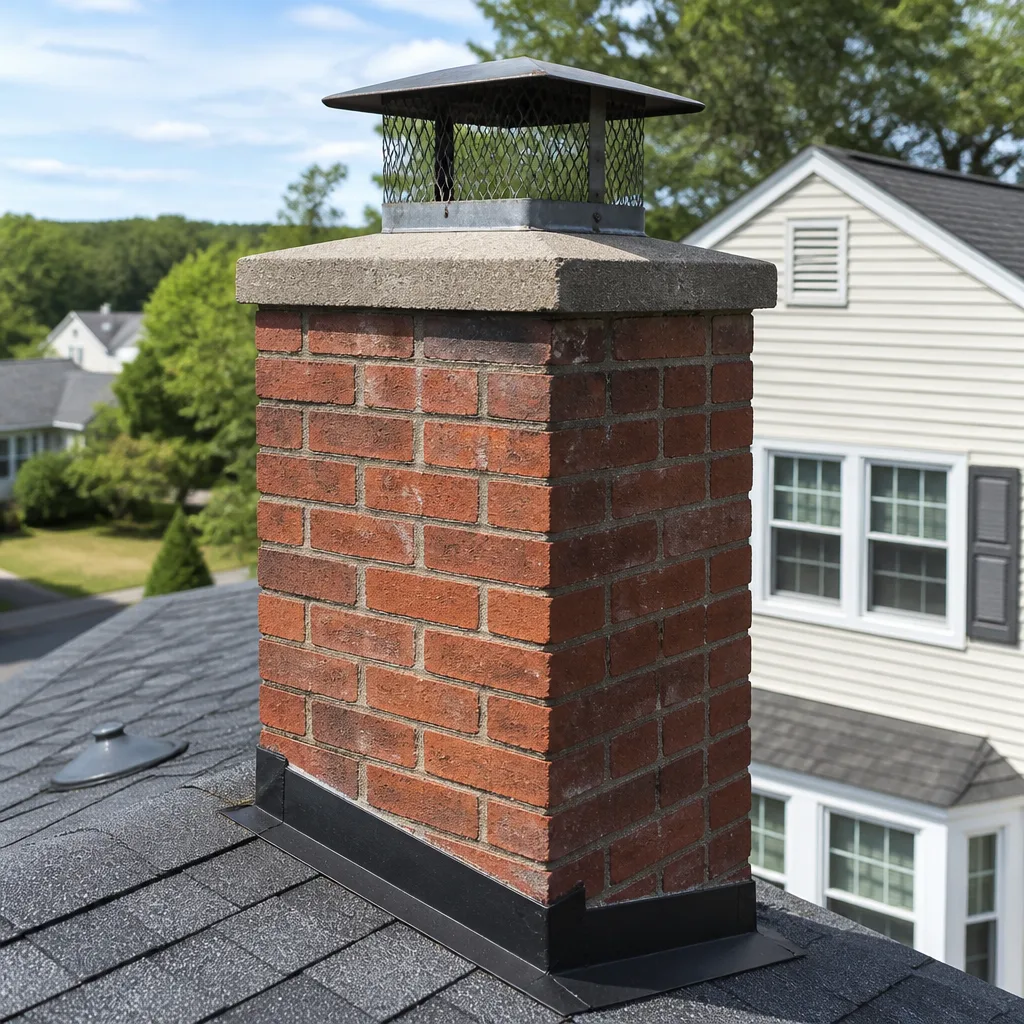 Sweep & inspection
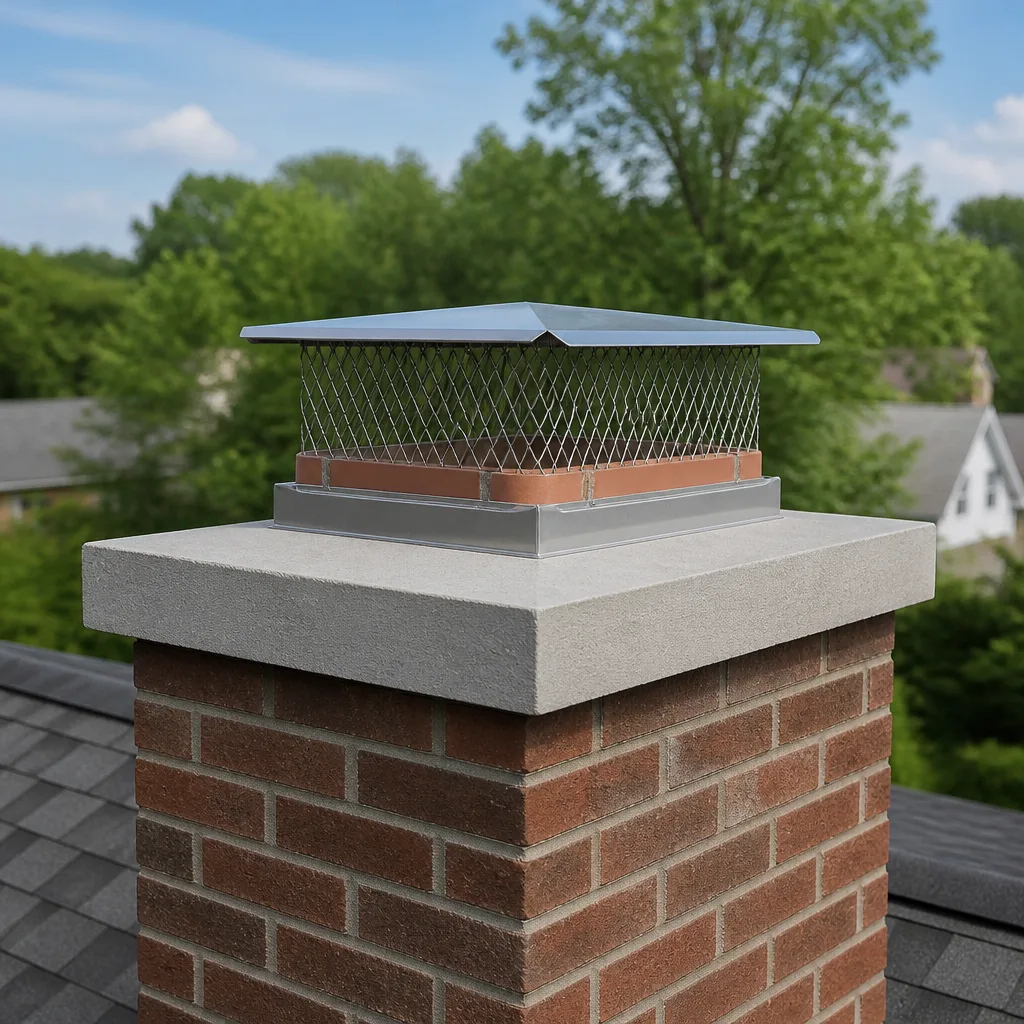 Caps & crowns
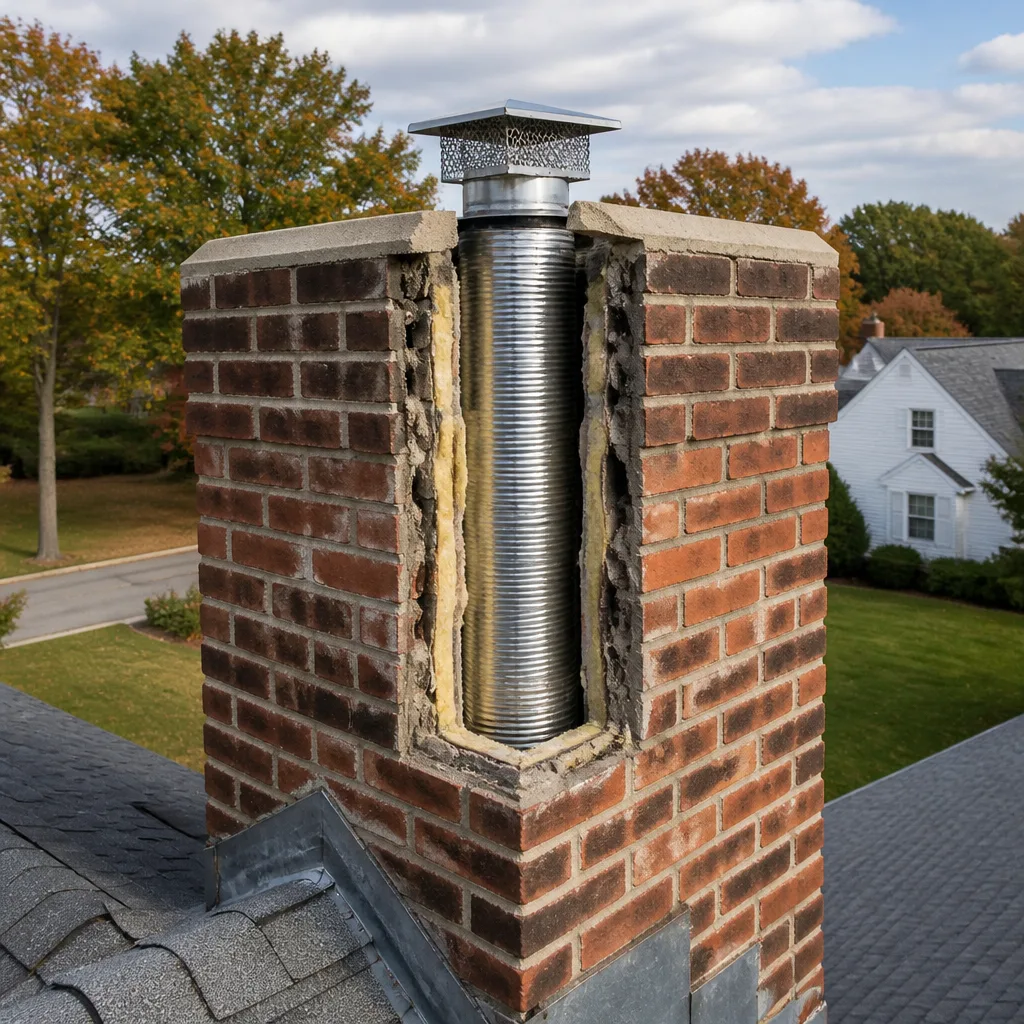 Flue relining
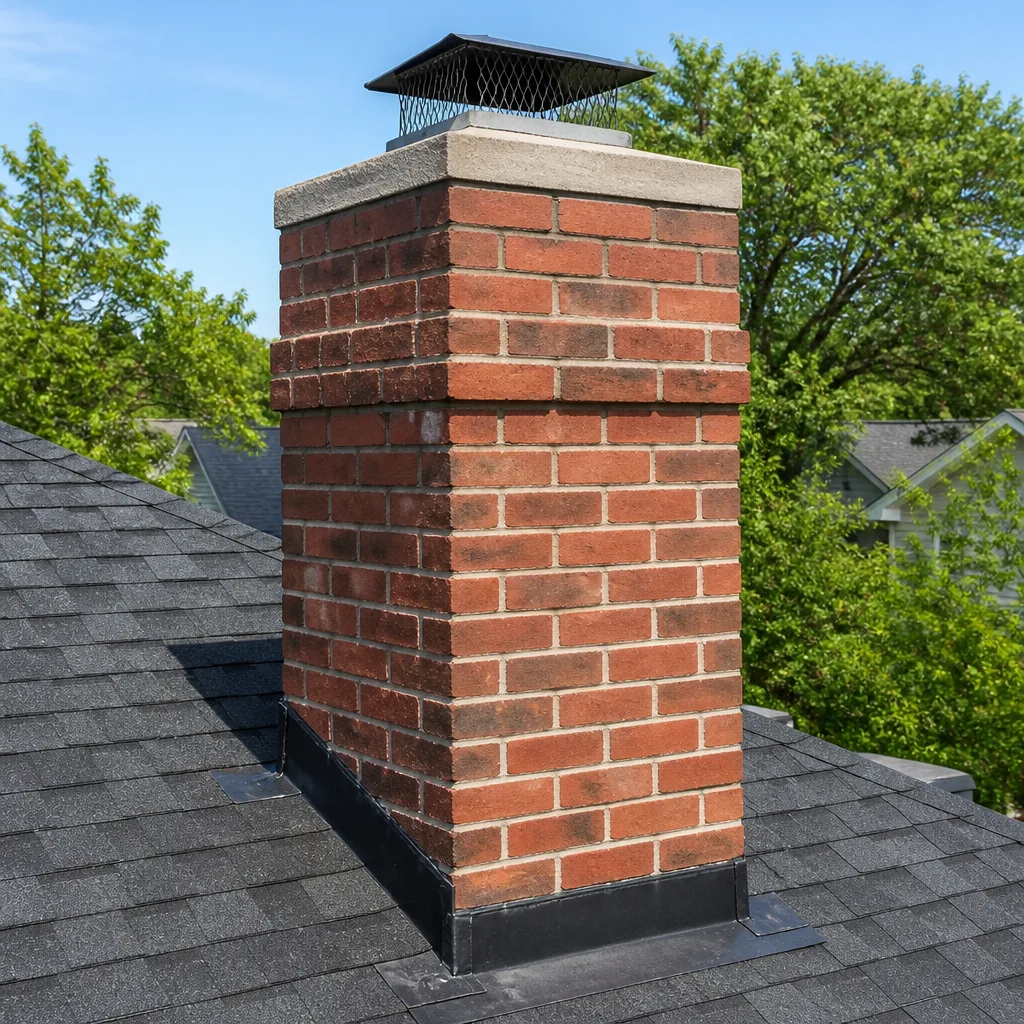 Masonry repair
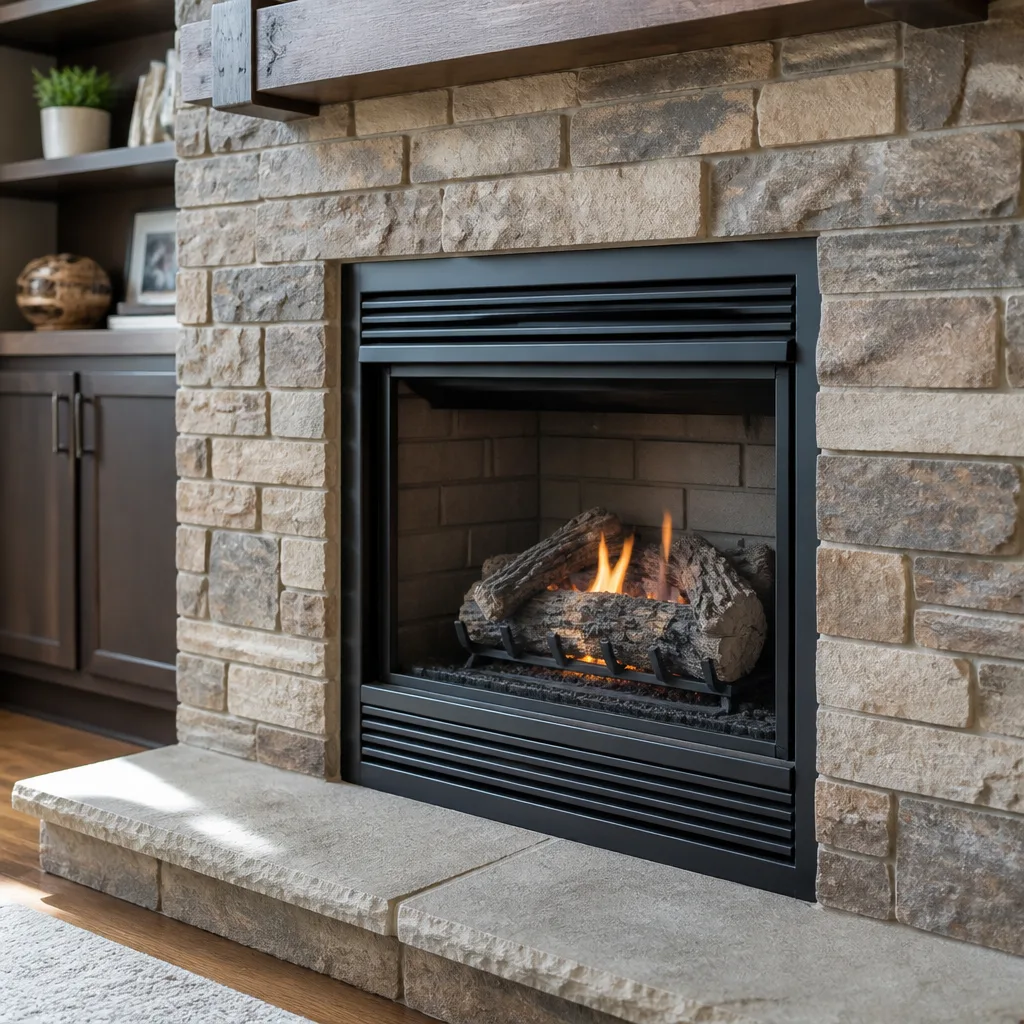 Gas fireplace service
Level 1 sweep and inspection to the NFPA 211 annual standard - flue, crown, cap, and flashing checked and photographed
Chimney sweep logs do not sweep chimneys. They loosen some creosote - which then falls where a brush and vacuum still have to collect it.
The Complete Guide to Chimney Cleaning in Sun Valley
Most chimney guides hand you the same rule: one sweep a year, every year, no exceptions. That rule was written for climates nothing like ours. Sun Valley sits downwind of the Angeles National Forest, so your flue collects wildfire ash and fine particulate through the burning season on top of whatever creosote your own fires leave behind. Add stucco-clad exteriors and a large share of older tract homes with offset flues, and “cleaning” stops being a single task and becomes a layered process. What follows is how that process actually works here: what accumulates in a Sun Valley flue, how inspections differ, and what a real specialist checks that a handyman with a brush won’t.
Quick Answer
Chimney cleaning in Sun Valley is a professional sweep of the flue combined with an inspection of the liner, smoke chamber, cap and crown, and the right setup depends on your fireplace type, fuel, and whether your flue runs straight or offsets around a second story. Most homes here need a sweep once a year, but heavy fireplace use or fallout from a nearby wildfire can justify a mid-season check. The sweep is the starting point. The inspection is what tells you whether your flue is actually safe to use.
Styles & brands we work with
- Sweep & inspection
- Caps & crowns
- Flue relining
- Masonry repair
- Gas fireplace service
Table of Contents
- Why Chimney Cleaning in Sun Valley Isn’t a One-Size Rule
- How Wildfire Ash Changes Creosote Formation
- Level 1, 2, and 3 Inspections: Which One You Need
- Offset and Two-Story Flues in Valley Tract Homes
- Fuel-Specific Cleaning: Wood, Gas Logs, and Pellets
- What a Full-Service Sweep Covers That a Handyman Misses
- What Chimney Cleaning Costs in Sun Valley
- How a Professional Sweep Actually Works
Why Chimney Cleaning in Sun Valley Isn’t a One-Size Rule
The national “one sweep per year” advice assumes a cold, wet winter where a fireplace burns hard for a few months and then sits idle. Sun Valley doesn’t work that way. Our burning season is long and dry, and the air itself carries material into your flue even on days you don’t light a fire. That means the load inside a Sun Valley chimney builds from two directions at once: your own fires and the fallout around your home.
Housing stock matters just as much. A lot of Sun Valley homes are older tract construction with stucco exteriors, and many have flues that route around a second story rather than running straight up. Those offset flues change how a sweep has to be done and where residue tends to collect. A brush setup built for a straight-run masonry chimney doesn’t clean an offset the same way.
How your home sits relative to prevailing winds is the third variable. A house that catches the wind gets more airborne ash pushed toward its cap and flue than one tucked behind a ridge line or a row of trees. We’ve seen neighboring homes on the same block need sweeps on noticeably different schedules because of nothing more than exposure.
Put together, that’s why we treat Chimney Sweep Sun Valley as a starting point rather than a fixed annual ritual. Your flue’s schedule should reflect how much you burn, what fuel you burn, and how much fallout your particular rooftop collects. If your home is in an exposed spot or you’ve had a heavy season of fires, a mid-season look is worth it.
How Wildfire Ash Changes Creosote Formation
Creosote is the tar-like residue left when wood smoke cools inside a flue. Its formation depends on fuel moisture, flue temperature, and draft. Wildfire ash adds a wrinkle: fine particulate drifting from the Angeles National Forest settles on and around your chimney, and some of it gets drawn into the flue when the fireplace is running. That particulate doesn’t create creosote by itself, but it can give the creosote something to bind to, and it complicates the picture when a sweep clears the flue.
Why this matters for cleaning:
- Residue builds faster in exposed flues. More airborne material means more for creosote to attach to on the flue walls.
- The residue can be layered. A sweep on a Sun Valley flue after a heavy wildfire season often reveals ash and soot sitting under and mixed with creosote, not a single uniform coating.
- Glazed creosote is the real risk. When creosote hardens into a shiny, tar-like glaze, a standard brush won’t remove it and the flue needs a different approach. Glaze is also the stage where the fire risk goes up, so this is where a professional eye earns its keep.
- Ash in the smoke chamber and firebox is a separate job. Material that falls into the firebox or collects above the damper has to be cleared too, not just the flue.
None of this is meant to alarm anyone. It’s meant to explain why an occasional mid-season sweep is reasonable in Sun Valley when it might be overkill somewhere else. If you’ve had a lot of fires and a smoky summer, a professional chimney sweep will tell you honestly whether your flue needs attention now or can safely wait for the usual annual sweep.
What to check between professional sweeps
You don’t need to clean your own flue. But a quick visual check helps you know when to call. Look for soot streaks above the firebox opening, a strong smoky smell when the fireplace isn’t in use, and animals or debris visible at the cap. If smoke rolls into the room rather than drawing up when you start a fire, stop and have the flue inspected before lighting another one. Those signs point to a draft or blockage issue that a sweep or inspection can diagnose.
Level 1, 2, and 3 Inspections: Which One You Need
Cleaning and inspection get lumped together in casual conversation, but they’re different services and they come in three levels. Which level applies depends on what’s changed with your chimney since the last inspection and what the inspection is trying to answer.
- Level 1 inspection. A visual look at readily accessible parts of the chimney and flue, done when conditions haven’t changed and you’re just maintaining the chimney. This is the check that typically accompanies an annual sweep in a Sun Valley home that’s been inspected before.
- Level 2 inspection. A more thorough look that can include video camera access to parts of the flue you can’t see from the top or the firebox. It’s appropriate when you’ve changed fuel type, added or replaced an appliance, had a chimney fire, moved into a new home, or if the chimney’s condition is unknown. In Sun Valley’s older tract homes, a Level 2 is a sensible starting point for a first-time owner.
- Level 3 inspection. The most involved level, done when a Level 2 identifies a problem that requires opening up parts of the chimney structure to investigate further. This is rare and only used when there’s a specific concern.
The practical difference comes down to what you need to know. If you burn wood in the same fireplace, year after year, and nothing’s changed, a Level 1 alongside your sweep is usually enough. If you’ve just bought a Sun Valley home with an unknown chimney history, or you’ve had a chimney fire, or someone’s converted the fireplace to gas logs, ask for a Level 2.
An inspection is where real answers come from. A sweep clears the flue. An inspection tells you whether the liner is sound, whether the smoke chamber is properly shaped and parged, and whether the crown and cap are doing their job. That’s the difference between a chimney that’s clean and a chimney that’s safe.
Offset and Two-Story Flues in Valley Tract Homes
Plenty of Sun Valley tract homes don’t have a straight-run flue. The chimney starts over the fireplace and then angles around a second story or a roofline, creating an offset section. Straight-run flues let a brush pass cleanly from top to bottom. Offset flues don’t. The angle change is where residue collects, and it’s where a sweep can miss if the setup isn’t right.
What a proper sweep of an offset flue involves:
- The right brush and rod system. Flexible rods and the correct brush diameter for the flue get around the offset without scuffing the liner or leaving the bend uncleaned.
- Bottom-up or top-down access depending on the layout. Some offsets are best swept from the firebox end with the right equipment; others go from the roof.
- A careful look at the offset itself. That’s the section most likely to hold a stubborn pocket of creosote or a crack in the liner that a straight-run sweep wouldn’t show.
- Watching for liner damage at the bend. Masonry liners in older Sun Valley homes can crack at the offset where stress concentrates.
This is one of the clearest places where a general handyman sweep falls short. The equipment and know-how for an offset flue are different, and the risk of leaving residue behind is real. When the flue liner is damaged at the offset, the repair path can often be resurfacing rather than full relining. HeatShield is a ceramic resurfacing system designed to restore a deteriorated liner without a full relining, which matters for homes that don’t need the more involved step yet.
When a full relining is the right call, we install DuraFlex flexible liner systems, which are built for exactly this kind of flue: flexible enough to route around an offset, and the standard professionals specify rather than a generic retail alternative.
Fuel-Specific Cleaning: Wood, Gas Logs, and Pellets
Different fuels leave different residue. Cleaning a wood-burning flue is not the same job as cleaning a flue for a gas log set or a pellet insert, and knowing the difference is part of what you’re paying a specialist for.
Wood-burning fireplaces
Wood leaves creosote and soot, and the creosote can range from a light flaky coating to a hard glaze. A wood flue typically needs a sweep once a year with heavier use, plus a look after any heavy burning season. Seasoned, dry wood burns cleaner and builds less creosote than green wood. If you’re not sure whether your wood is properly seasoned, ask – it makes a real difference to how fast your flue loads up.
Gas log sets
Gas logs don’t produce creosote the way wood does, but they do leave a different residue. Gas burns leave a fine, sometimes slightly oily film, and a gas log set that’s not venting correctly can leave other deposits. The flue still needs a periodic inspection, but the cleaning schedule and method differ from wood. If a gas log set has been added to a wood-burning fireplace, that’s also a case where a Level 2 inspection makes sense, since the venting setup has changed.
Pellet inserts
Pellets burn cleaner than wood but still leave ash and soot, and the flue needs a specific sweep to clear it properly. Pellet insert venting is often narrower and runs through a different path than a masonry flue, so the equipment and approach are different again. These are the kind of details that make generic chimney cleaning advice unreliable. The fuel you burn determines the residue, and the residue determines the cleaning.
What a Full-Service Sweep Covers That a Handyman Misses
A general handyman with a brush clears the flue. That’s worth something, but it’s a fraction of what a chimney actually needs. A full-service specialist treats the whole system, from the firebox up to the crown, because the chimney is not one component. It’s a chain, and the weakest link in a Sun Valley home is often one a handyman won’t check.
Here’s what a real chimney cleaning and inspection covers beyond the flue:
- Liner condition. A cracked or deteriorated liner is the most serious finding in a chimney. It’s the layer between the heat in your flue and the structure of your home. A sweep that doesn’t inspect the liner isn’t checking this.
- Crown integrity. The crown is the concrete cap at the top of the chimney. Cracks in the crown let water into the masonry, which is the path to expensive structural damage. A handyman sweep doesn’t repair crowns. We do, as part of a dedicated chimney cap & crown service line.
- Cap fit and condition. A properly fitted cap keeps water, debris, and animals out of the flue. We install Gelco and Famco caps and source components from professional distributors like Olympia Chimney and Copperfield.
- Smoke chamber parging. The smoke chamber above the damper is where the transition from firebox to flue happens. If it’s rough or deteriorating, smoke doesn’t draw properly and creosote builds in the wrong place. Resurfacing it is part of a full repair scope.
- Fireplace-side repairs. Damper problems, firebox cracks, and masonry wear all affect how the chimney runs. We handle those as part of fireplace repair, not as a referral to someone else.
That’s the difference between a sweep and a full chimney service. We work with the same materials professional chimney specialists specify – DuraFlex, HeatShield, Gelco, Olympia Chimney, Famco, Copperfield – rather than what’s on the shelf at a hardware store. Our technicians have up to 13 years of experience, and we handle the full lifecycle of the chimney from the firebox to the crown.
What Chimney Cleaning Costs in Sun Valley
Chimney cleaning in Sun Valley is priced per job, and the final number depends on the flue, the level of inspection, and any repairs that come up. We set the price with a written estimate before any work begins, so you know the scope and the number before we start.
What drives the cost:
- Flue configuration. Straight-run flues are simpler to sweep than offset flues, which need different equipment and take longer.
- Level of inspection. A Level 1 inspection is part of the sweep picture; a Level 2, which can include video access to the flue, adds time.
- Residue severity. A lightly loaded flue sweeps faster than one with heavy or glazed creosote that needs more work to clear.
- Any repairs identified. Cap repairs, crown work, liner resurfacing, or fireplace repairs are quoted separately, and you’ll see the estimate in writing before anything proceeds.
We don’t publish a flat price because the variables differ enough that a fixed number would be misleading. Call (855) 710-2744 for a free estimate. We’ll look at your flue, tell you what it needs, and give you the number in writing. Nothing gets recommended without visible evidence you can check yourself.
How a Professional Sweep Actually Works
A sweep in a Sun Valley home follows a set sequence, and understanding it helps you know what to expect and what questions to ask. Here are the steps in order:
- Assess the fireplace and flue access. We check the firebox, damper, and how the flue routes, including whether there’s an offset, and lay down protection for the floor and surroundings.
- Sweep the flue with the right brush and rods. The setup is chosen for your flue size, liner type, and configuration. Offset flues get flexible rods sized for the job.
- Clear the smoke chamber and firebox. Residue that collects above the damper and in the smoke chamber is cleared, not just the flue walls.
- Inspect the liner, crown, and cap. The flue is checked for cracks and deterioration, the crown for cracks that let water in, and the cap for fit and condition.
- Show you the findings. You see what we see. If something needs repair, you get an explanation of what and why, and if it can wait, we tell you that too.
- Give you the written estimate. Any recommended work is priced in writing so the final cost is set before anything is ordered or booked.
That last step matters more than it sounds. Nobody likes hearing they need thousands in liner work they can’t verify. That’s why the process ends with evidence you can look at yourself, not a sales pitch. A sweep that clears your flue and finds it healthy is a good outcome too. We’ll tell you so.
Common Mistakes to Avoid
- Treating a sweep as a whole-house chimney inspection. Cleaning the flue and checking the liner, crown, and smoke chamber are two different things. Skip the second and you can have a clean chimney with a serious problem hiding inside it.
- Hiring a handyman for an offset flue. Offset and two-story flues in Sun Valley tract homes need the right brush and rod setup. A straight-run sweep kit doesn’t fully clear the bend, and residue left behind there is a fire risk.
- Assuming gas logs mean no more cleaning. Gas leaves a different residue and still needs periodic inspection. Converting a wood fireplace to gas is also a case where a Level 2 inspection applies.
- Ignoring the crown and cap. Water intrusion through a cracked crown is the slow path to masonry damage that costs far more to fix than the crown does. Check it as part of every sweep.
- Waiting for a strong smoky smell before calling. A smoky smell when the fireplace is idle is a sign you’re already past due. A sweep before the heavy burning season is the easier approach.
- Putting off a mid-season check after a heavy wildfire season. Ash fallout and a long burning season both load the flue faster. If your roof collects ash through the summer, an extra look in winter is reasonable.
- Assuming a Level 1 is always enough. A first-time look at an unfamiliar Sun Valley chimney, or one with a changed fuel type, may need a Level 2 to answer what you actually need to know.
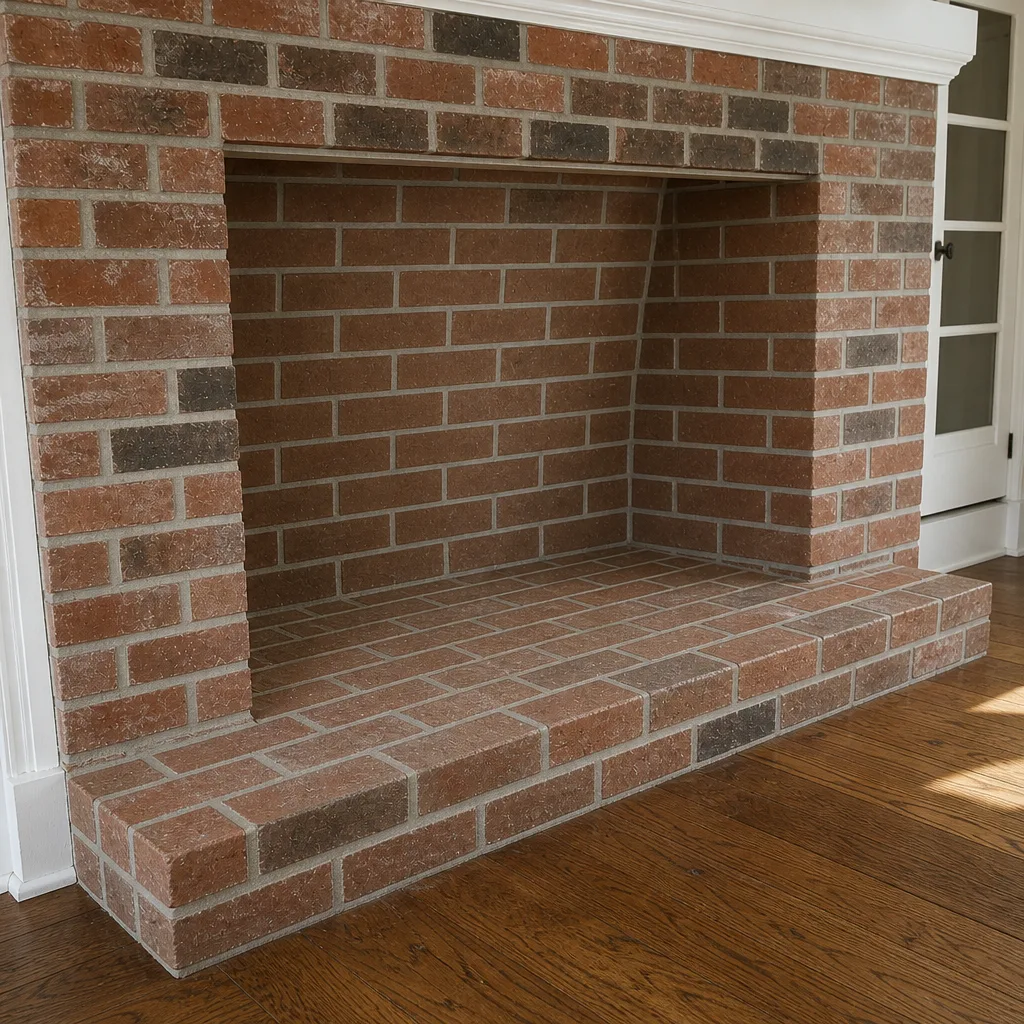
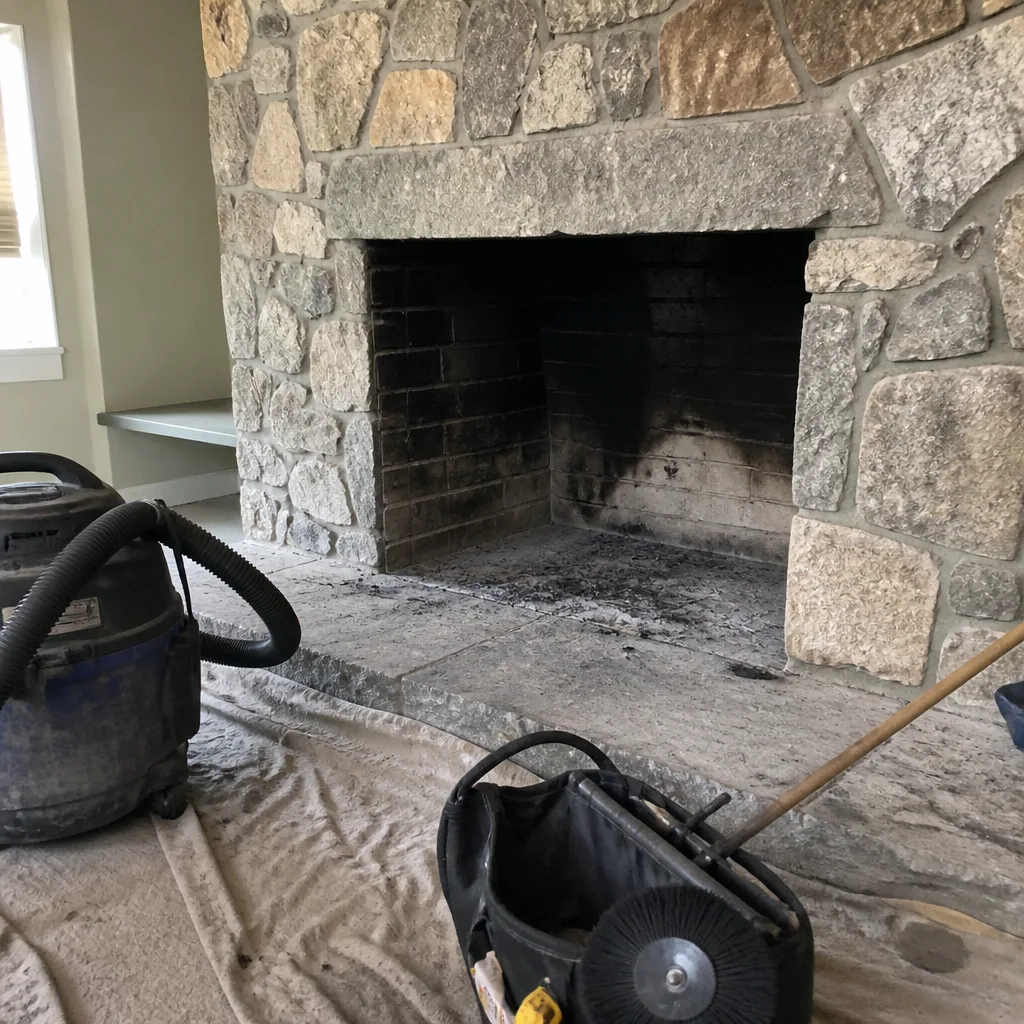
See the difference
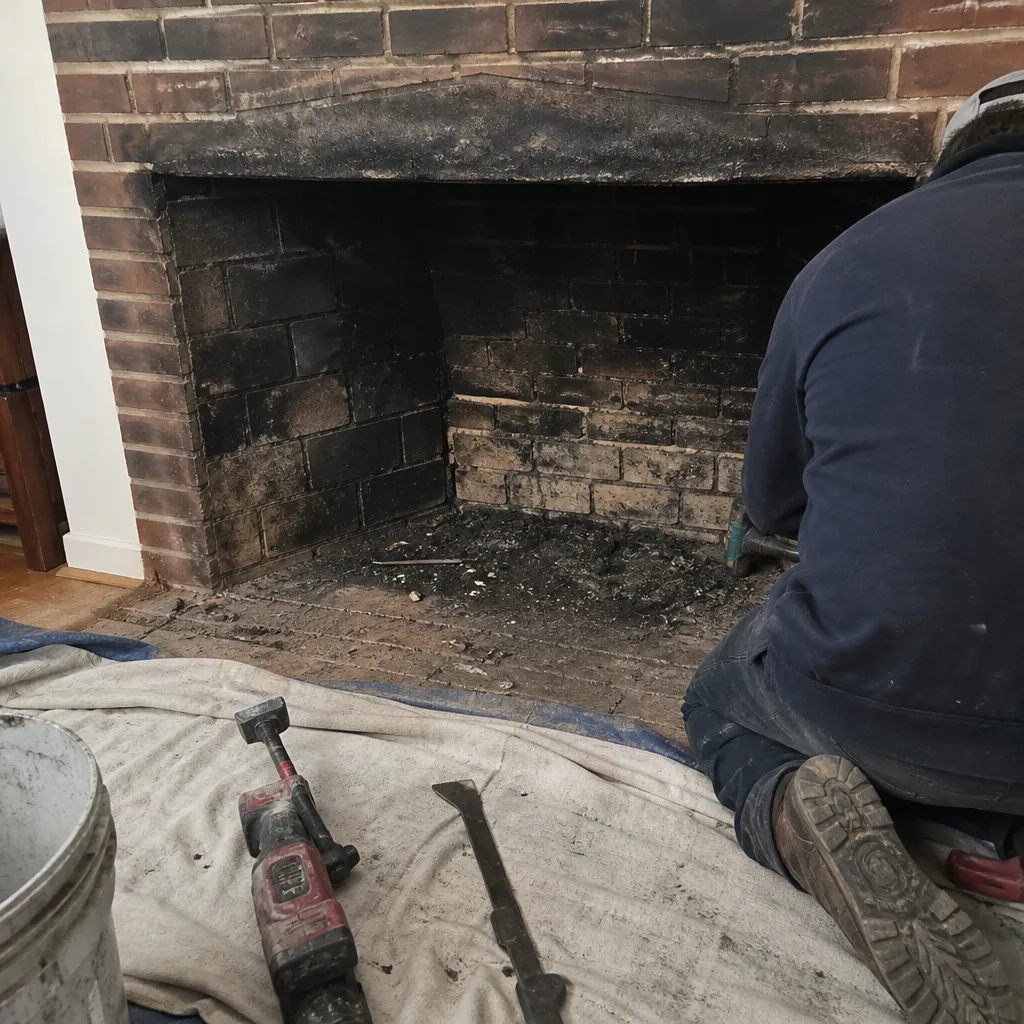 Before
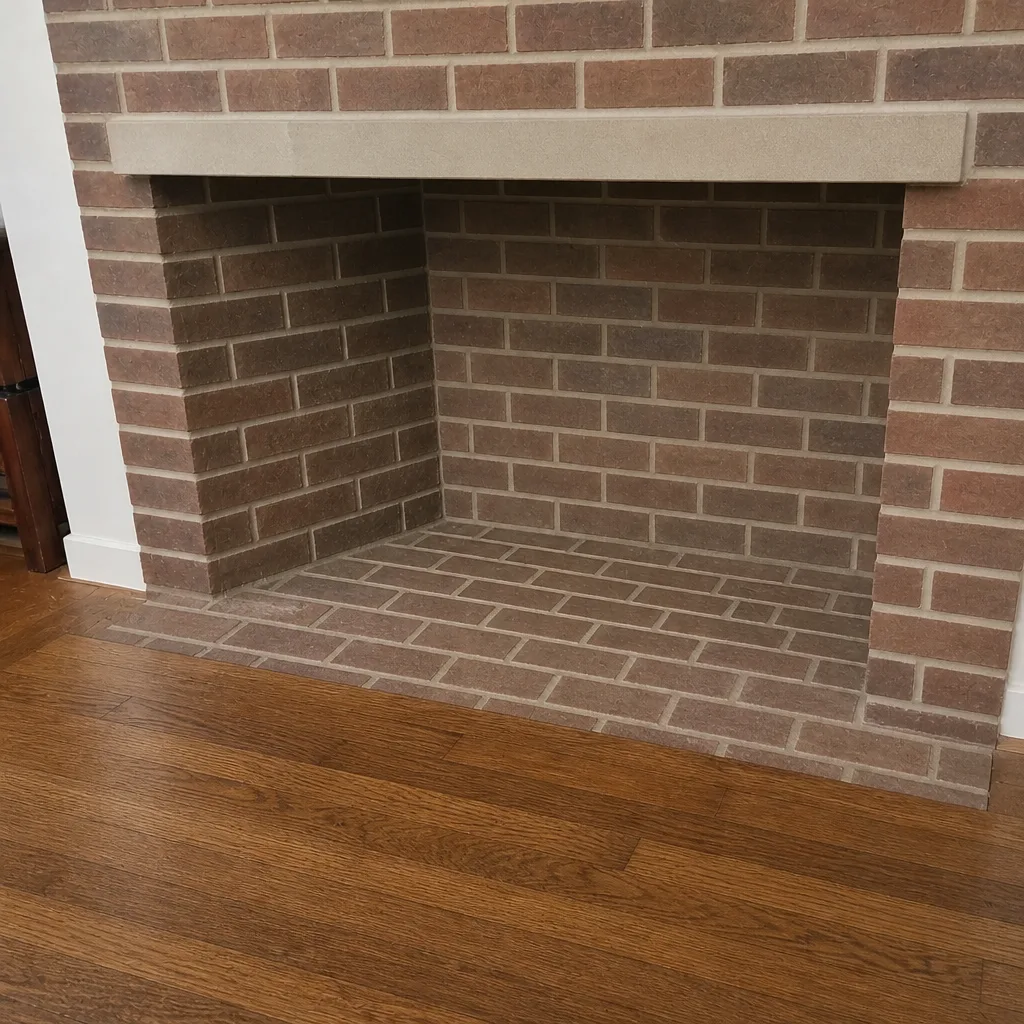 After
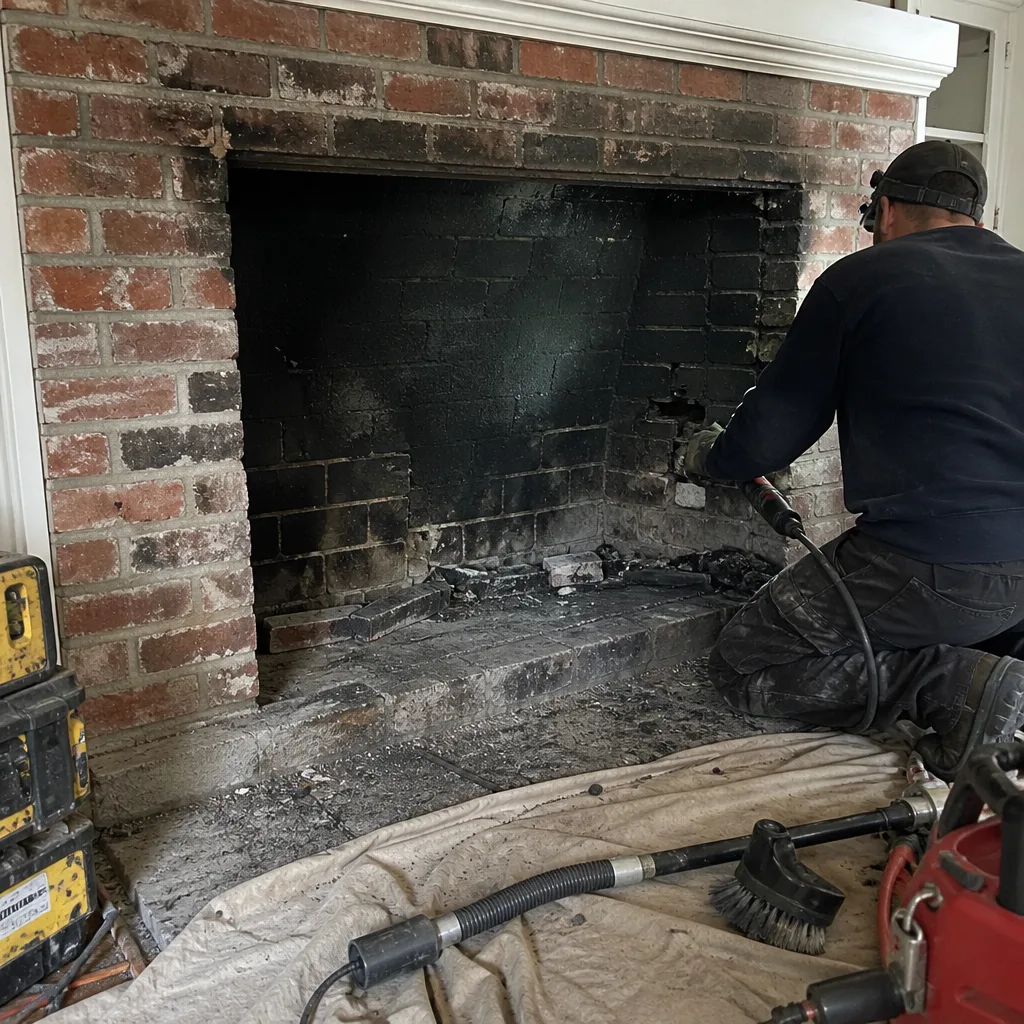 Before
 After
 Before
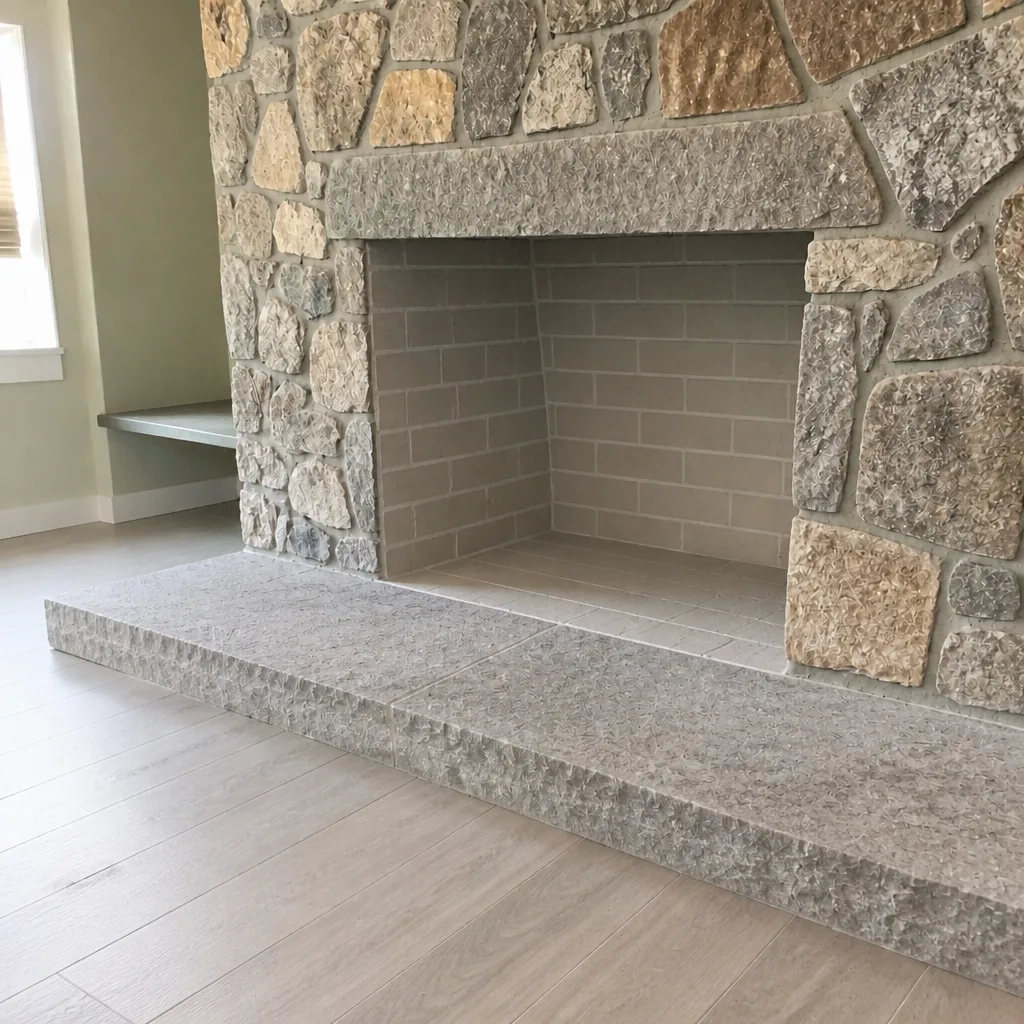 After
When to Call a Professional
Call a professional for any of the following in a Sun Valley home: you haven’t had the chimney swept in more than a year and you’ve been burning regularly, you’ve just bought a home with an unknown chimney history, you’ve changed fuel type or added a gas log set, you’ve had a chimney fire, smoke rolls back into the room when you start a fire, you see soot streaks above the firebox, or you’ve spotted cracks in the crown, cap, or masonry. Do not try to clear glazed creosote or inspect your own liner – high-tension flue work, electrical components, and structural masonry are jobs for a trained professional, and this is one area where a mistake can be costly or dangerous. Chimney Sweep Sun Valley offers free estimates in Sun Valley – call (855) 710-2744. We answer 24/7. Fast dispatch from 7am to 7pm, Sunday through Friday.
Frequently Asked Questions
A wood-burning chimney in Sun Valley should typically be swept once a year, with a mid-season check if you burn heavily or your roof collects a lot of wildfire ash. Gas log sets and pellet inserts have different schedules and residue, so the right interval depends on your fuel and usage. Call (855) 710-2744 for an exact quote – estimates are free.
Exposure is the usual reason. A home that catches prevailing winds collects more airborne ash toward its cap and flue than one sheltered by a ridge or trees on the same block. A flue that runs straight versus one with an offset can also load up differently, since an offset collects residue at the bend. If your flue seems to need more attention than your neighbor’s, we can look and tell you why.
You need a Level 2 inspection if you’ve just bought the home and don’t know the chimney’s history, you’ve changed fuel type, or you’ve had a chimney fire. For a routine annual sweep in a home where nothing has changed, a Level 1 is usually enough. A Level 2 uses video access to see parts of the flue you can’t see from the firebox or the roof. Call (855) 710-2744 for an exact quote – estimates are free.
Creosote builds up in the flue, and at a certain point it hardens into a glaze that’s harder to remove and a larger fire risk. Residue also restricts draft, and a flue that isn’t drawing properly can let smoke back into the room, along with carbon monoxide risk if the venting isn’t working correctly. The honest answer is that some chimneys safely skip a year and others don’t – only an inspection tells you which yours is.
A handyman can clear a straight flue, but that’s not a full chimney service. A handyman sweep usually won’t inspect the liner for cracks, assess the crown, check cap fit, or evaluate the smoke chamber – and those are exactly the places water damage and safety problems start in older Sun Valley tract homes. A full chimney specialist covers the whole system from the firebox to the crown.
Chimney cleaning in Sun Valley is priced per job, based on flue configuration, inspection level, and the severity of residue. We give you a written estimate before any work begins, so the final cost is set in advance and you see the scope. Call (855) 710-2744 for an exact quote – estimates are free.
The Bottom Line
Chimney cleaning in Sun Valley isn’t one annual sweep following one national rule. It’s a layered process shaped by wildfire ash, exposed stucco-clad rooftops, and the offset flues common in older Valley homes. Get the sweep on a schedule that matches your fuel and exposure. Get an inspection that actually checks the liner, crown, and smoke chamber, not just the flue walls. And when repairs come up, insist on seeing the evidence yourself. Our technicians have up to 13 years of experience, and we handle the whole system. Call (855) 710-2744 for a free estimate. We answer 24/7. Fast dispatch from 7am to 7pm, Sunday through Friday.
Written by the team at Chimney Sweep Sun Valley.