
Last updated November 22, 2026
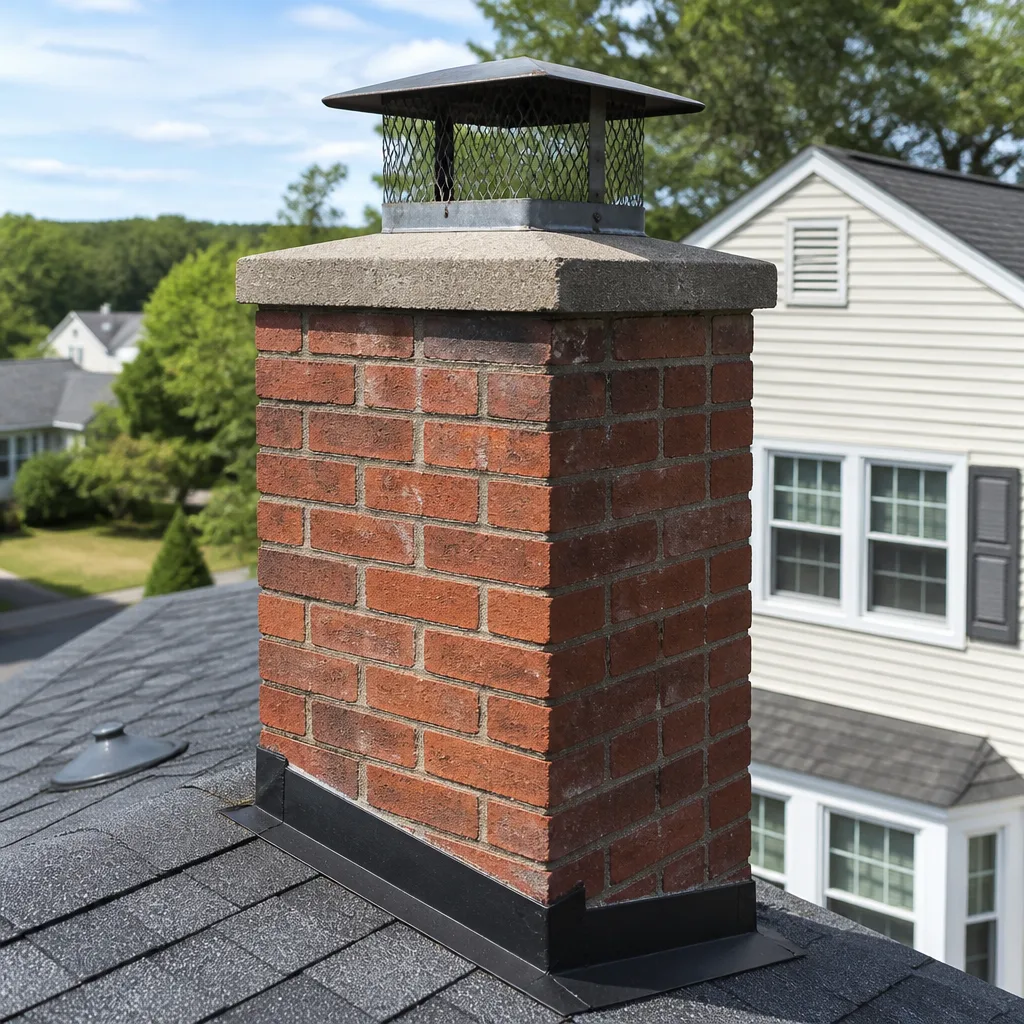 Sweep & inspection
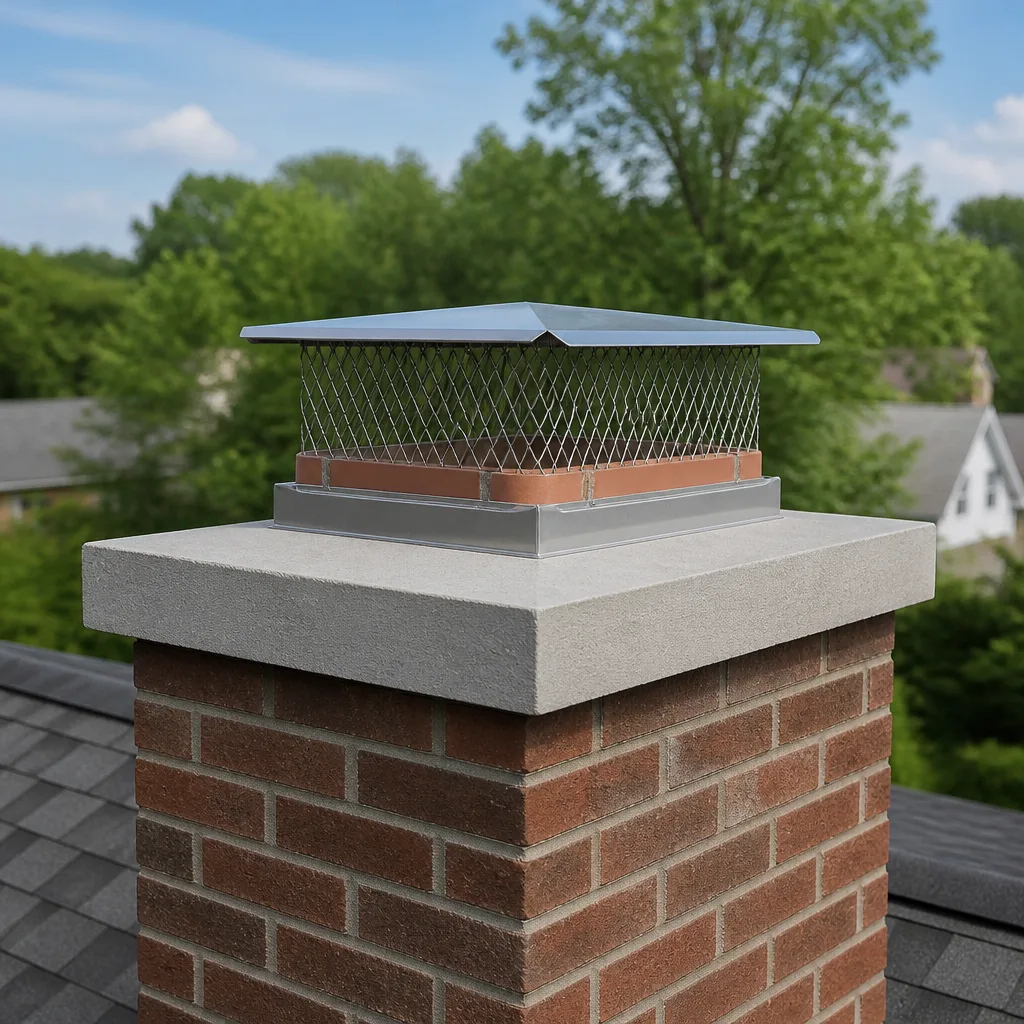 Caps & crowns
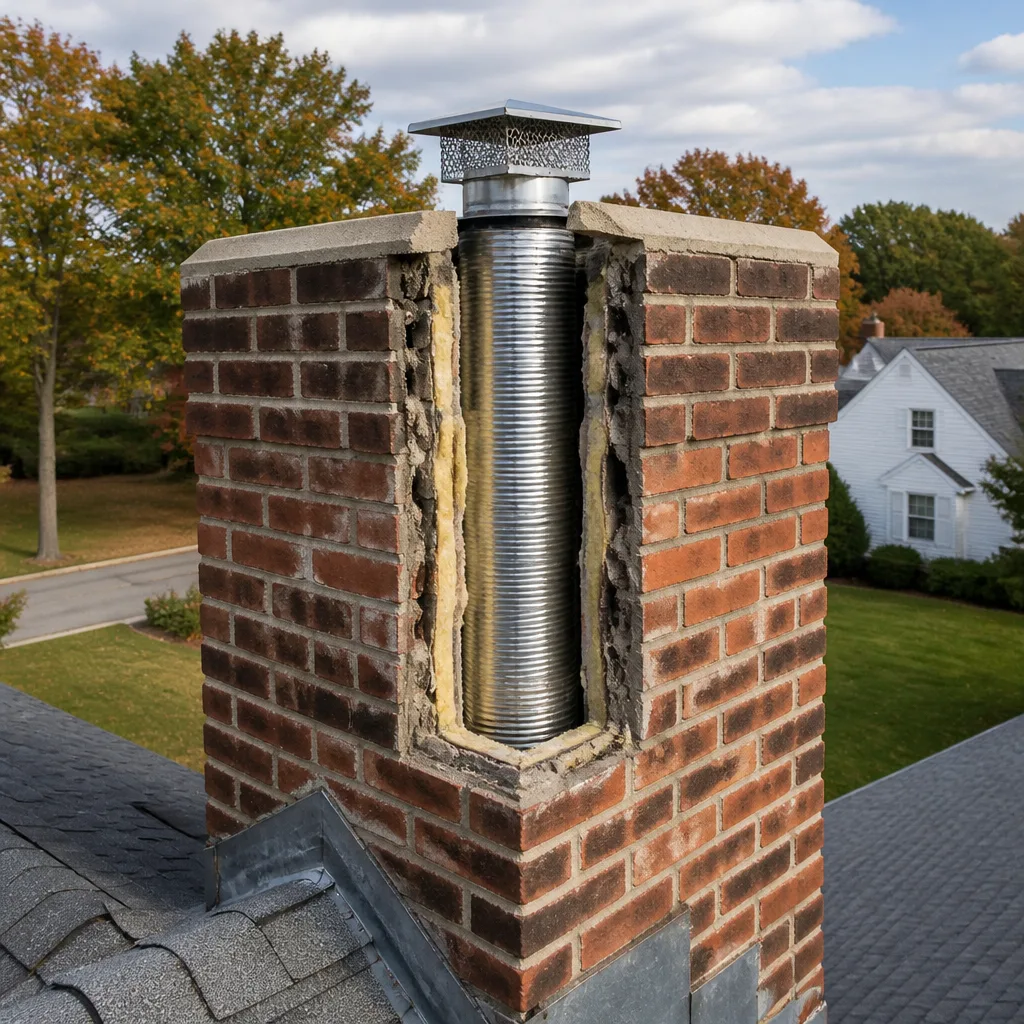 Flue relining
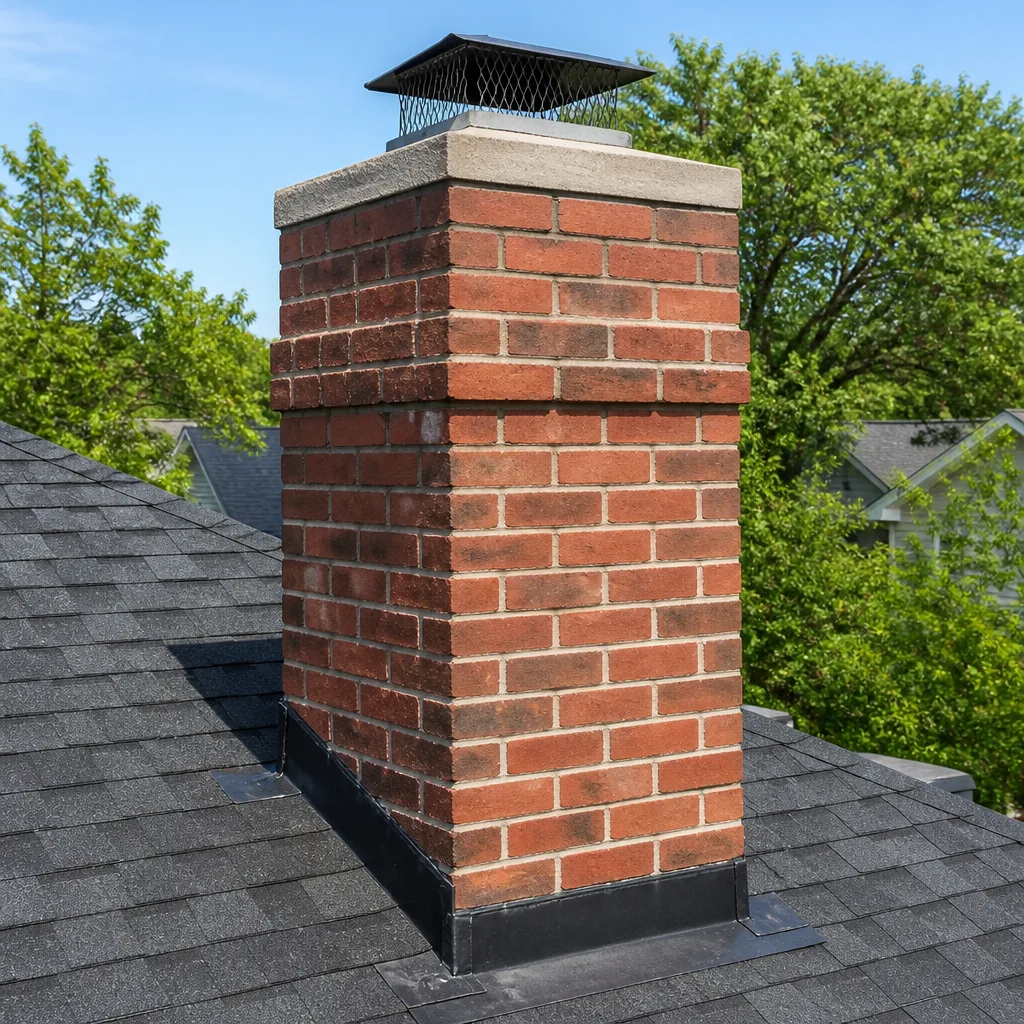 Masonry repair
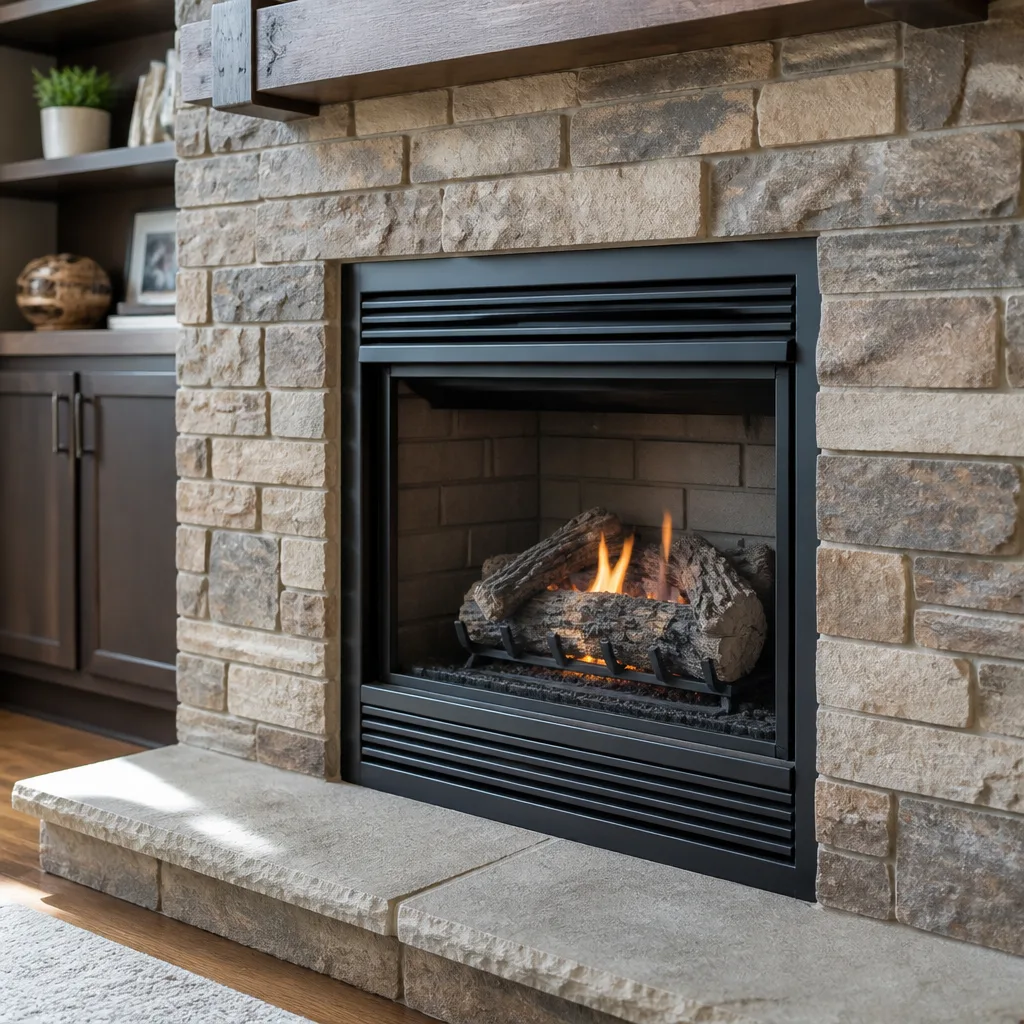 Gas fireplace service
Level 1 sweep and inspection to the NFPA 211 annual standard - flue, crown, cap, and flashing checked and photographed
Chimney sweep logs do not sweep chimneys. They loosen some creosote - which then falls where a brush and vacuum still have to collect it.
Chimney Sweep Troubleshooting in Sun Valley: Common Problems and How to Fix Them
A smoky fireplace usually isn’t a draft problem. When a fire backs up into the room, homeowners tend to blame the damper or assume the chimney needs a taller cap. Most of the time the real cause is flue sizing, an obstruction the homeowner can’t see, or negative pressure inside the house. Meanwhile, the problems you can actually see, like crumbling mortar at the crown or white staining on the brick, are often the ones that quietly get worse because nothing is smoking. That mismatch between the symptom you notice and the cause you have underneath is the focus of this guide. You’ll learn how to trace what you’re seeing to what’s really happening inside the flue, what you can safely watch on your own, and when to have a certified sweep look before the next fire. Sun Valley’s warm, dry climate shapes several of these problems in ways a homeowner moving here from a colder region won’t expect.
Quick Answer
Chimney problems in Sun Valley usually fall into four groups: airflow and drafting faults (smoke backing up, weak draft), water and pest intrusion (staining, animals in the flue, crumbling mortar), creosote and debris buildup (smell, reduced draw), and structural deterioration of the liner, crown, or mortar joints. Match the symptom to the group first, then decide whether it’s a monitor-it problem or a call-a-professional problem. Anything involving a damaged liner, cracked crown, or recurring smoke spillage needs a certified inspection before you burn again.
Styles & brands we work with
- Sweep & inspection
- Caps & crowns
- Flue relining
- Masonry repair
- Gas fireplace service
Table of Contents
- Symptom-to-Cause: What Your Chimney Is Telling You
- Why Sun Valley’s Climate Creates Its Own Problems
- Smoke Spillage and Backdraft: The Real Causes
- Negative Pressure and Tight Construction
- Smells, Stains, and Debris: Reading the Signs
- Cracks, Crumbling, and Structural Warning Signs
- Monitor vs. Call a Pro: Making the Call
- When a Quick Fix Works – and When It Masks a Bigger Problem
Symptom-to-Cause: What Your Chimney Is Telling You
Chimney troubleshooting works backward from what you see or smell. The visible symptom is almost never the same as the underlying cause, so this matrix is the starting point for everything else in the guide.
| Symptom You Notice | Likely Real Cause |
|---|---|
| Smoke rolls into the room instead of up | Negative pressure, an obstruction, or a flue that’s too large for the firebox |
| Draft feels weak but no smoke | Creosote or debris buildup reducing the flue opening, or a liner that’s partially blocked |
| Smoky, sooty smell when the fireplace is off | Creosote residue or moisture mixing with ash – often after a warm spell |
| White staining on exterior brick | Water wicking through the masonry (efflorescence), often from a failed crown or flashing |
| Crumbling mortar at the crown or joints | Dried-out mortar from years of dry heat and sun exposure |
| Animal noises or nesting material in the flue | Missing or damaged cap letting birds and rodents in |
| Visible cracks in the firebox or flue tile | Heat stress or structural settlement – needs inspection immediately |
Reading the table carefully matters, because two symptoms that seem unrelated often share a root cause. A homeowner near the horse properties and older ranch homes scattered across the Valley might see both staining and a smoky smell and assume they’re two problems. More often it’s one: water getting past the crown, mixing with creosote, and producing both. If your symptoms line up in a row above, that row is where to start.
Why Sun Valley’s Climate Creates Its Own Problems
Sun Valley’s reliable warmth is easy on the home in most ways, but it presents chimney problems that homeowners who moved here from Boston or Chicago rarely anticipate. Three of them come up again and again.
- Dried-out mortar joints. Marginal winter moisture and long dry stretches work on mortar differently than cycles of freeze and thaw. Mortar is a flexible component, and prolonged dry heat pulls natural moisture out of it until it crumbles. When it goes, it goes at the crown first, then the joints.
- More pest activity, not less. In a colder climate the chimney is dormant during the warmer half of the year. Here, the chimney sees more year-round animal activity, because the weather stays hospitable enough that birds and rodents find it a tempting nesting spot whenever a cap is loose or missing.
- Frequent hot-to-cold swings. Running the fireplace one evening and leaving it cold for two weeks is harder on the flue tiles than a steady burn, because thermal shock weakens the tile over many cycles. Homeowners who fire the hearth sparingly sometimes see more tile stress than those who run it steadily.
The practical effect is that the timeline here is longer than in a cold climate. A failing crown might take years to show visible trouble here, whereas it would have cracked in one hard winter back east. That slow timeline is a double edge: it gives you time to address small faults before they become structural, but it also makes it easy to ignore the warning signs until they’ve moved from cosmetic to structural.
Standard advice about annual inspections and sweeps applies just as much here, and the climate adds one wrinkle: after a dry, warm summer, we always want to check that the crown and the mortar joints haven’t quietly degraded. That’s the inspection’s chance to find a small problem while it’s still small. When we handle the Chimney Sweep Sun Valley scope of work, that seasonal check is part of what the sweep is for.
Smoke Spillage and Backdraft: The Real Causes
Smoke entering the room is the single most common complaint we hear, and it’s also the symptom most often misdiagnosed by the homeowner. A wider damper setting rarely fixes it. In our experience, smoke spillage almost always traces to one of four root causes:
- Flue too large for the firebox. An oversized flue can’t warm quickly enough to establish an upward draft. The fire smolders, smoke cools, and it settles back into the room.
- Obstruction. Nesting material, a fallen cap, a deteriorated tile, or a buildup of creosote can partially block the opening. Airflow drops, and smoke backs up.
- Negative pressure. Air inside the house is being pulled toward a bathroom fan, kitchen hood, or HVAC return instead of up the flue. More on this separately below.
- A flue that’s too short or has a poor cap height. If the cap crown sits too close to the roof ridge or a nearby tree, wind pushes smoke back down the flue on gusty days.
Which one you have determines the fix, and you can’t tell them apart from the firebox. That’s exactly why a sweep plus inspection is the starting point, not the end: the sweep removes what’s blocking the flue, and the inspection measures what’s actually there. If your smoke issue is complicated by a deteriorated cap or crown pulling air in the wrong direction, the right repair path may also involve the chimney cap & crown work rather than anything in the firebox itself.
A Diagnostic Step You Can Take Yourself
Before you call, there’s one test worth running. With a fire going and smoke rolling, crack a window in the same room an inch or two. If the smoke immediately reverses and goes up the flue, the problem is negative pressure rather than a flue obstruction. If it doesn’t change, the problem is inside the chimney. This test doesn’t fix anything, but it tells you and the technician where to start, and it saves a return visit.
Negative Pressure and Tight Construction
Homes built or renovated for energy efficiency in Sun Valley are often tight enough to strangle a chimney’s draft. This is one of the most overlooked causes of chronic smoke spillage, and it’s also the one homeowners most resist believing, because their fireplace used to work fine.
Here’s the mechanism in plain terms. A chimney drafts because warm air rises up the flue and pulls a small vacuum behind it. That vacuum gets filled by air pulled in from the room. In a leaky 1950s house, the room gets that air easily through gaps in the envelope. In a house with new windows, new doors, and a sealed attic, the flue’s vacuum competes with every other appliance pulling air: the dryer, the bathroom fan, the kitchen hood, the HVAC. Whichever pulls hardest wins. A tight house plus a running kitchen hood can starve a fireplace enough to reverse its draft entirely.
The diagnostic window crack works because it gives the fire its own dedicated air supply, bypassing the competition. But a cracked window in January isn’t a solution, and it shouldn’t be treated as one. The real fixes include:
- Adding dedicated combustion air to the firebox, where code and construction allow it
- Upgrading the cap to one that handles wind more predictably, so gusty days don’t add to the problem
- Improving intake and return-air balance in the home
- Re-lining an undersized flue so it draws more reliably
We often learn the most about a negative-pressure case by measuring the flue against the firebox and testing with the window open. If a homeowner has been living with a cracked window during every fire, that’s usually a sign the whole pressure balance of the house needs a look, not just the chimney.
Smells, Stains, and Debris: Reading the Signs
A cold fireplace that smells like smoke or ash doesn’t have a mysterious problem. The smell is leftover creosote or soot, and it becomes noticeable when the air above the firebox is warmer than the flue above the cap. Warm air rises, pulls that smoky residue upward, and pushes it back into the room. That reversal explains why the smell shows up often on warmer days after a cold spell, and why it disappears when the house is closed and heated.
Staining on the outside of the chimney is a different story, and it deserves attention. White chalky staining on brick (efflorescence) means moisture is wicking through the masonry and evaporating at the surface. Where does that moisture come from? The crown, the flashing, or a missing cap. All three of these are intrusion points, and all three are fixable. But ignored long enough, intrusion becomes structural: saturated masonry can spall, the liner behind it can crack, and a small cap replacement turns into a larger repair.
Debris and animals are the third sign. If a daylight look up the firebox reveals twigs or nesting material, or if you hear scratching in the off months, the flue is open to the weather and open to animals. Caps are exactly what prevents that. We install Famco and Gelco caps because they’re purpose-built covers, not improvised lids, and they keep water and animals out of a flue you’ll rely on later. If you suspect something has nested, don’t try to burn it out. Have the flue cleared and inspected before the next fire.
Light debris like a few leaves is a different matter. That’s routine sweep territory, and it’s the usual reason to arrange a chimney sweep before the next burn season.
Cracks, Crumbling, and Structural Warning Signs
Structural problems are the category where the visible symptom most often points to a bigger problem underneath. A hairline crack in a flue tile looks cosmetic. In practice, it allows heat and combustion gases into the framing of the chimney, which is where real danger starts. Three rules of thumb:
- A visible crack in the firebox liner or flue tile is a stop-and-look item. Don’t burn until a sweep has inspected it.
- White staining plus crumbling mortar at the crown is a moisture problem. Fix the crown before you repair the joints, or the joints will fail again.
- Any masonry movement near the roofline is worth inspection. Chimney settlement shows up as leaning or shifting at the crown, and it doesn’t fix itself.
Repair options matter here. A damaged flue liner is not automatically a full reline. HeatShield ceramic resurfacing can restore a deteriorated liner when the structure is sound, and it lets owners avoid the cost and disruption of a full liner replacement in cases where it’s a candidate. For flues that genuinely need relining, a DuraFlex liner system is the professional standard, particularly for older homes and offset flues where a rigid liner wouldn’t fit. The deciding factor is always what the inspection reveals, and in our experience that determination is best made with a camera, not a guess.
If the firebox liner itself is cracked or eroded, that falls under the fireplace repair scope. If the damage has traveled up from the crown or the masonry, that’s a chimney repair job. Either way, the evaluation comes before the fix.
Monitor vs. Call a Pro: Making the Call
Not every symptom needs a professional this week. Part of the value of a certified inspection is that it takes an honest look and tells you which category each issue falls into. Here’s our general guide to which is which:
Safe to Monitor
- A sooty smell that shows up only on warm days and disappears when the fireplace has been used recently. That’s a sign to schedule a sweep before the next burn, not an emergency.
- Light staining on brick, with no crumbling mortar nearby. Note it and watch it. If it spreads or is joined by crumbling, it’s time to call.
- A few leaves in the firebox after a windstorm, with no noise and no nesting material. Book the sweep at your usual interval.
- A minor cap wobble that isn’t letting anything in. Check after the next wind event and schedule a look if it shifts.
Call Before the Next Fire
- Visible cracks in flue tile, firebox liner, or the crown.
- Recurring smoke spillage that a cracked window test confirms is coming from the flue.
- Crumbling mortar at the crown or joints, or mortar collecting in the firebox.
- Animal nesting or recurring scratching sounds.
- Chimney smells that persist even with the fireplace off and the house sealed.
- Any sign of moisture inside the firebox: water dripping after rain, rust-colored staining around the damper.
The rule behind both lists: the chimney’s job is to carry heat and combustion gases away safely. Anything threatening that is a call-before-fire item. Anything that just means a sweep is due can wait for scheduling. When you book, we recommend a sweep plus inspection together, so the sweep clears the flue and the inspection tells you what the next step is.
When a Quick Fix Works – and When It Masks a Bigger Problem
Homeowners often ask whether the cap or the damper is worth fixing or whether it’s just putting a bandage on a deeper problem. The honest answer: sometimes a quick fix genuinely resolves the issue, and sometimes it hides one that’s already underway.
The quick fix does the job when the symptom is caused entirely by the component being replaced. A missing cap that’s let animals in? Installing a cap stops the problem going forward. A cap that no longer fits well, letting wind add to pressure trouble? Replacing it solves the pressure case. A damper that won’t close, letting cold drafts into the house? That’s a legitimate repair, often handled in the fireplace repair scope. These three fit the “quick fix” label because the problem is component-level.
The quick fix hides a bigger problem when the symptom is structural. That’s the case when:
- The staining is at the crown, not just the cap or flashing, which means the crown itself needs resurfacing or replacement.
- The smoke spillage has a negative-pressure basis that a better cap will only partially mask, leaving the same problem to recur when the house gets tighter.
- The debris and animals have been coming in so long that nesting material has compromised the flue, and the flue needs camera inspection before the cap goes on.
- The visible cracks extend beyond the firebox into the flue tiles above, which no quick fix reaches.
When a quick fix might be masking structural damage, we recommend a Level 2 inspection before proceeding. It sees the flue with a camera, checks the crown and the flashing, and tells you what your flue actually needs.
Common Mistakes to Avoid
- Assuming a smoky fireplace means a bigger damper is needed. Most smoke spillage traces to pressure, sizing, or obstruction, and a wider damper rarely touches any of those.
- Burning through nesting material. It can smoke heavily and damage the flue, and it doesn’t clear the material. Have it removed before burning.
- Treating a warm climate as maintenance-free. Dried-out mortar is a slow problem in Sun Valley’s climate, and it gets worse quietly. The slow dry-out matters as much as the cold-climate freeze cycle does elsewhere.
- Repairing mortar joints before repairing the crown. Water keeps re-damaging the joints if the crown above is still leaking.
- Cracking a window during every fire as a “solution.” It’s a diagnostic, not a fix. If your fireplace needs a cracked window to run, something is wrong with the air balance.
- Skipping the camera inspection after a visible crack. The flame side is only half the story. The flue above can be damaged too.
- Putting a cheap generic cap on a chimney with real intrusion. A purpose-built Famco or Gelco cap is designed to keep water out; a hardware-store cover often shifts or rusts within a year and puts you back at square one.
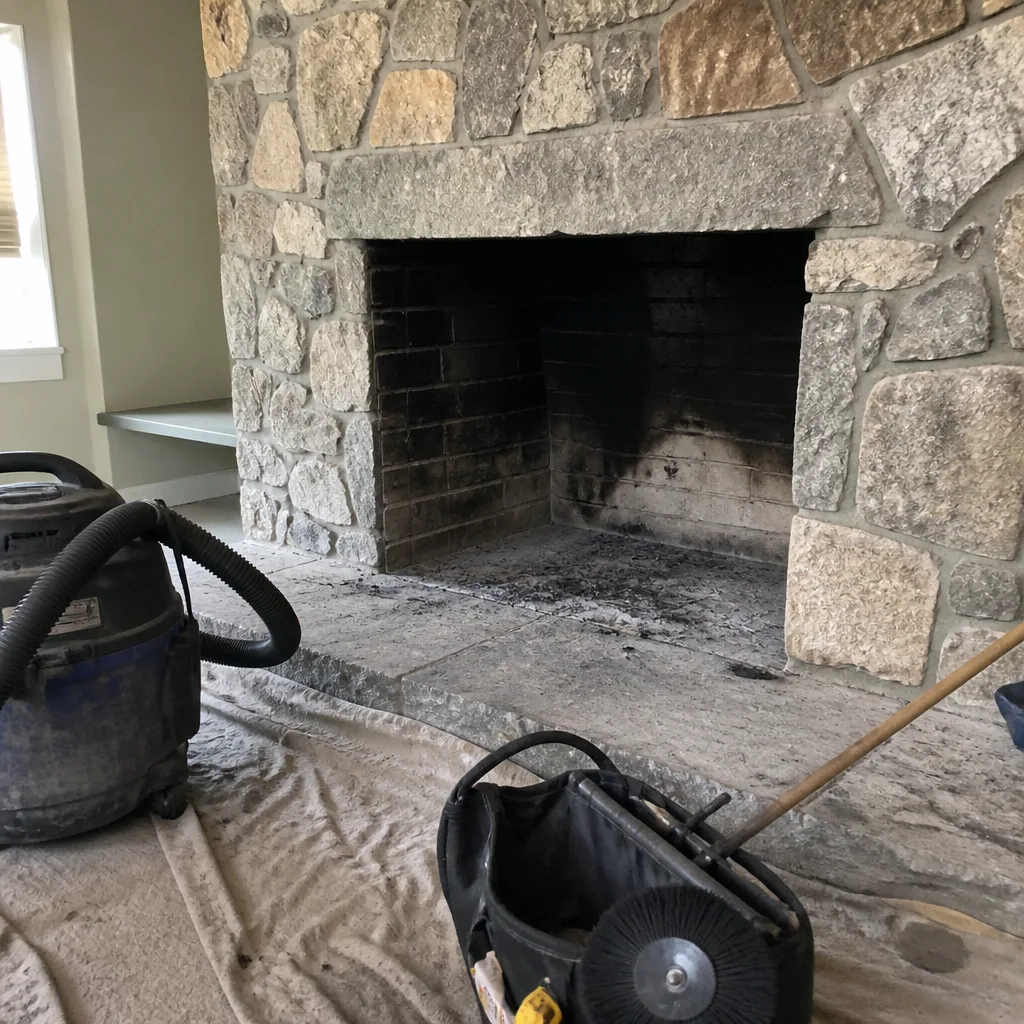
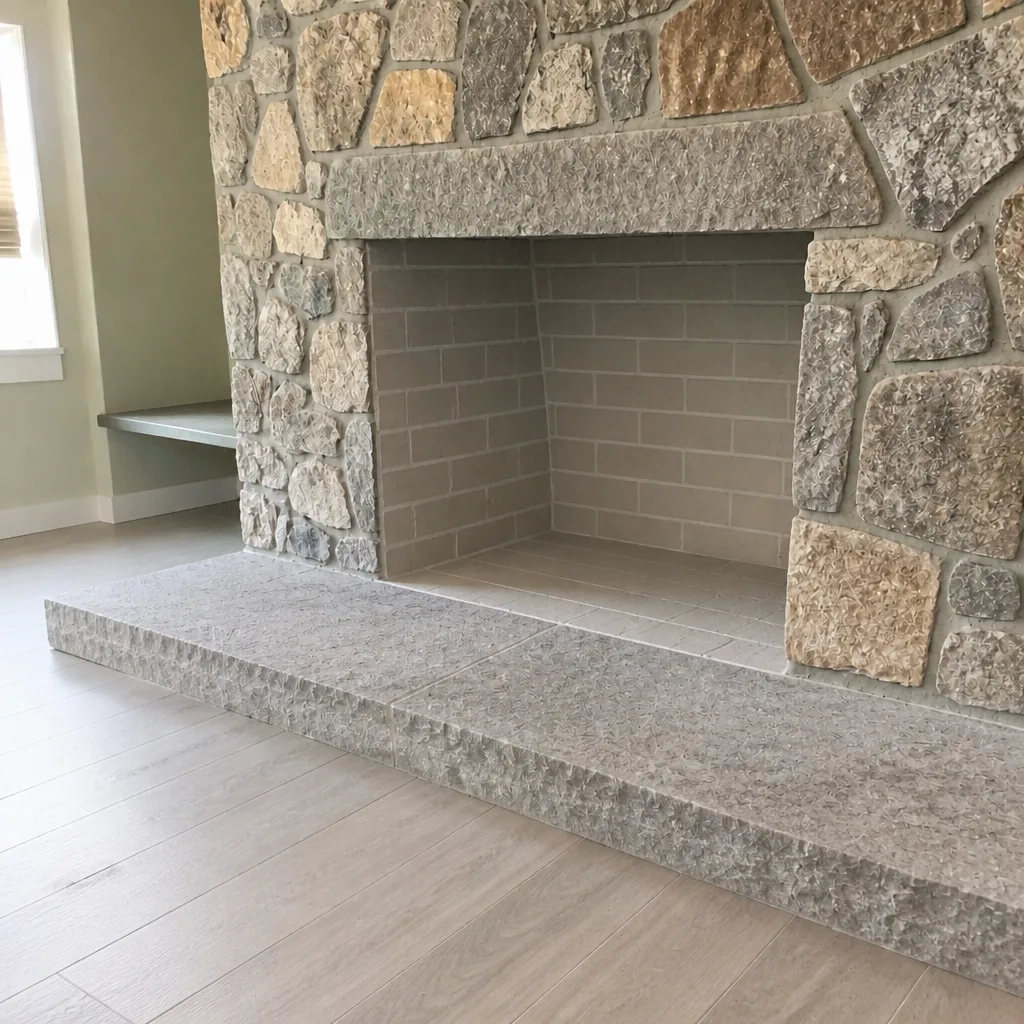
See the difference
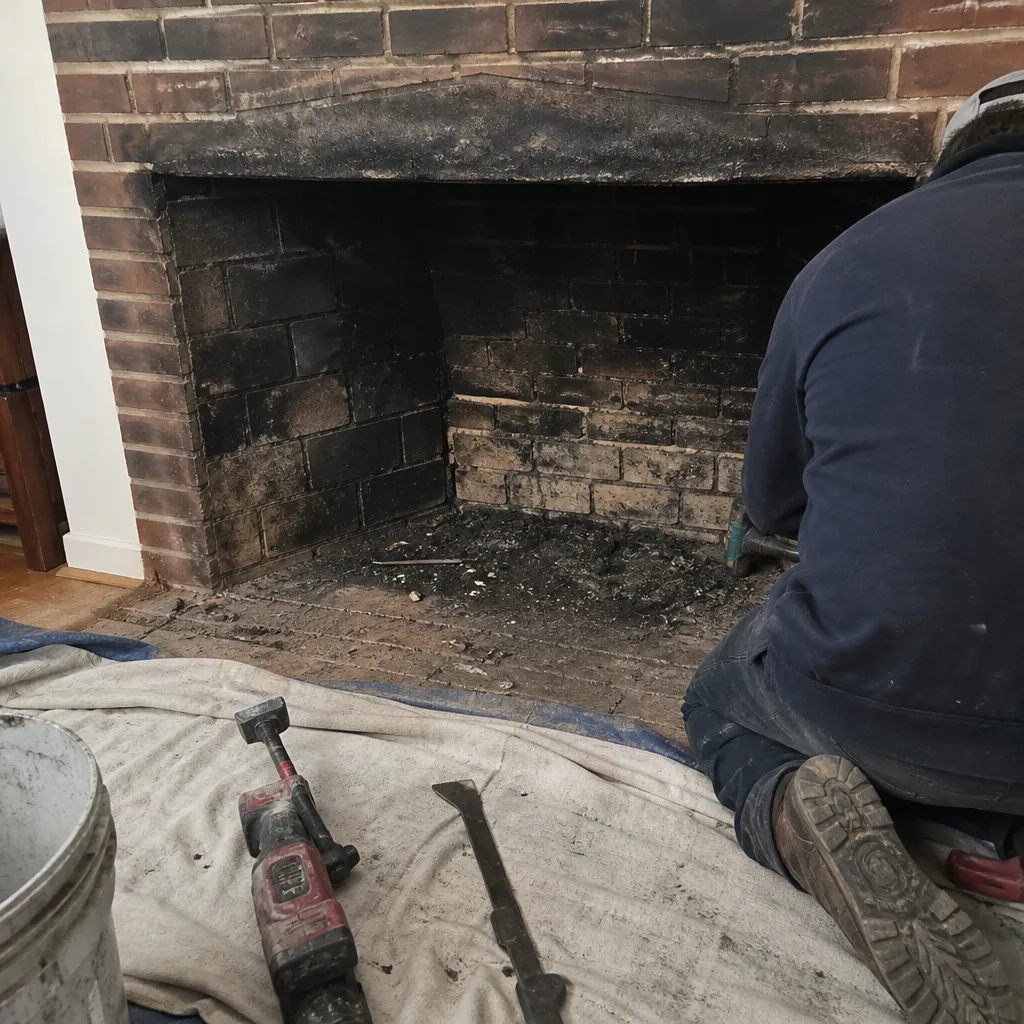 Before
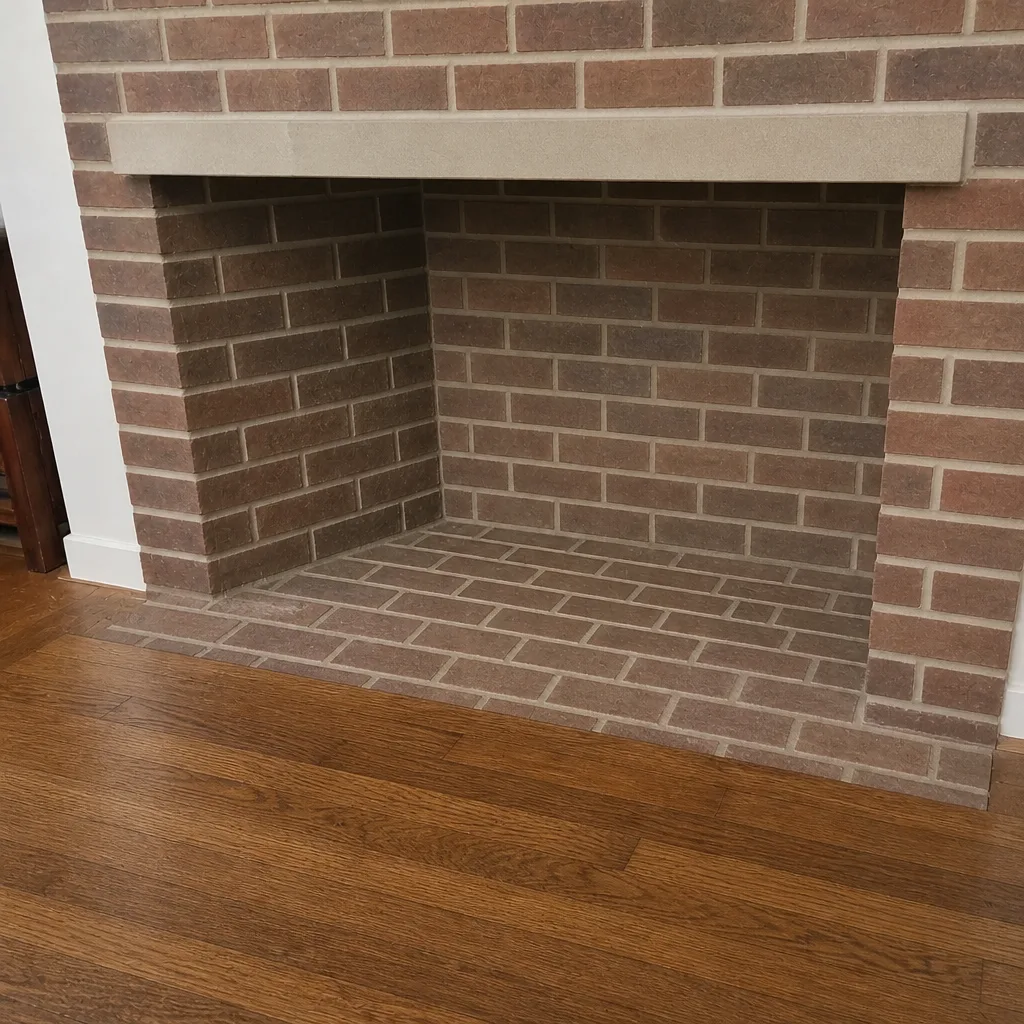 After
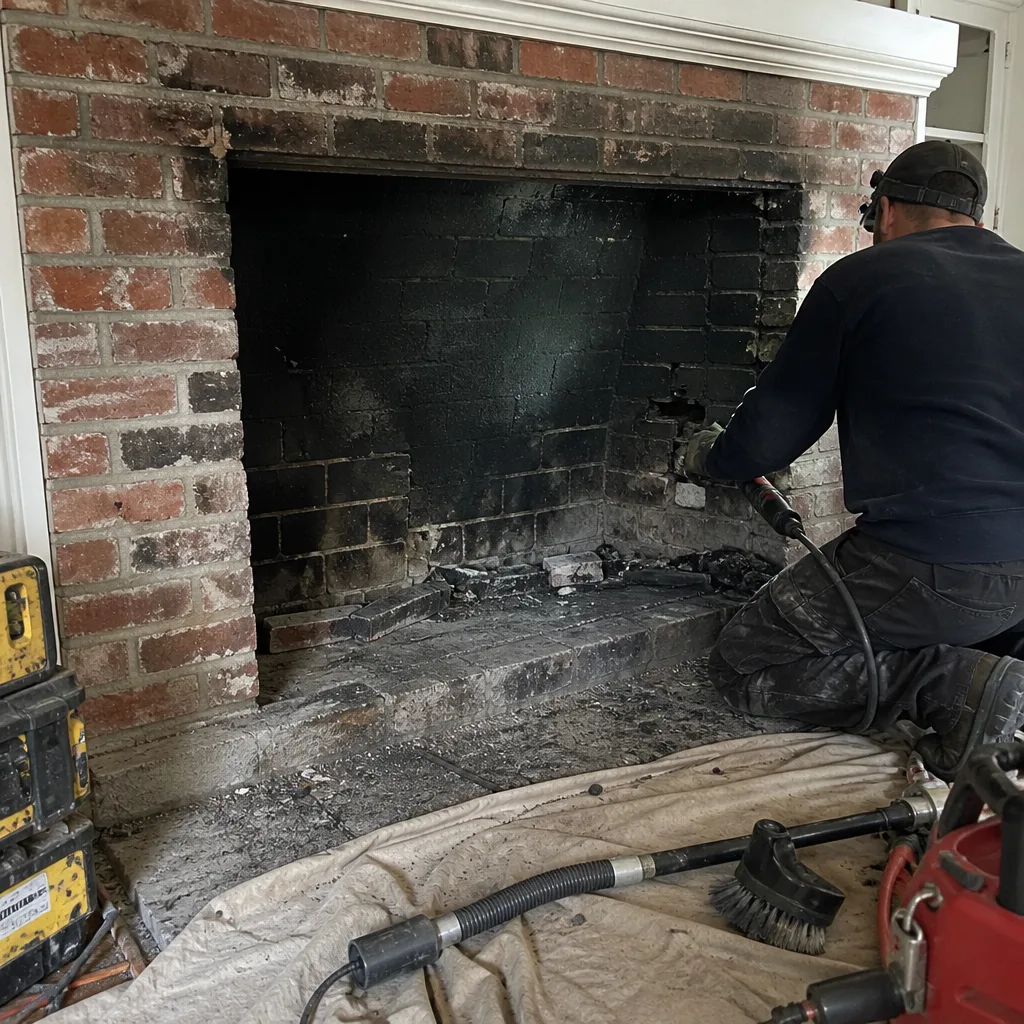 Before
 After
 Before
 After
When to Call a Professional
If you can see a crack in the firebox liner or flue tiles, smell a persistent smoke odor when the fireplace is off, or watch smoke roll into the room even with the damper fully open, those are call-before-burning signs. If you’ve had animals in the flue, water staining in the firebox, or a chimney crown that’s crumbling at the edges, that’s also the point to schedule an inspection. For anything you’re just monitoring: light staining, a minor cap wobble, or an off-and-on smell, book a routine sweep and inspection at your normal interval. The chimney sweep and inspection together cover both the visible and the hidden half of the problem.
Chimney Sweep Sun Valley offers free estimates in Sun Valley – call (855) 710-2744. We answer 24/7. Fast dispatch from 7am to 7pm, Sunday through Friday. Our technicians have up to 13 years of experience, and we’re the dedicated chimney specialist, not a generalist handyman with a brush.
Frequently Asked Questions
Yes, because the symptoms that matter most are hidden from the homeowner. A cracked flue tile or a slow-deteriorating liner won’t change how the fire looks, but it determines how safely the fire burns. The inspection is what sees behind the firebox wall. Call (855) 710-2744 for an estimate – estimates are free.
No. Smoke spillage can be a flue sizing issue, an obstruction (creosote, nesting, fallen tile), or a negative-pressure problem from a tight house. A window-crack test starts to sort these out. The distinguishing question is whether the smoke reverses when you provide extra air to the room. Call (855) 710-2744 to schedule the inspection that tells you which one you’re dealing with.
The general rule is an annual sweep and inspection for a home that uses its fireplace regularly. In Sun Valley’s warmer climate, that annual visit does double duty: it clears creosote and debris, and it’s the moment to check that the crown and mortar haven’t dried out over the summer. Call (855) 710-2744 to book and we’ll set the right interval based on how often you burn.
It can, if the crown and flashing are sound and the cap was the missing element. If the crown itself is cracked or the flashing has failed, a new cap won’t stop the intrusion; the crown and flashing have to be addressed first. Our technicians check all three before recommending a cap alone. Call (855) 710-2744 for a free estimate.
The sweep removes what’s in the flue; the inspection evaluates what the flue and firebox actually need. Sweeping without inspecting misses structural issues. Inspecting without sweeping leaves the flue too dirty to assess properly. That’s why we recommend booking them together. Call (855) 710-2744 – estimates are free.
If the cap is loose but not letting anything in and nothing is getting past it, monitoring it and re-securing at the next sweep is reasonable. If it’s shifting in the wind, letting water through, or letting animals in, replacing it makes sense. Caps and crowns are your chimney’s first defense against water, and we install them right the first time.
The Bottom Line
Chimney troubleshooting comes down to matching your symptom to its underlying cause, not to the fix that sounds obvious. Smoke spillage mostly traces to flue sizing, obstruction, or negative pressure. Staining and crumbling mortar mostly trace to crown and flashing failure. Smells mostly trace to creosote residue. And in Sun Valley’s climate, dried-out mortar and year-round pest nesting appear more often than a homeowner coming from colder regions would expect. Watch what you can watch safely. Book a sweep and inspection before the next fire for anything structural. And if you’re not sure which category you’re in, call us and we’ll help you sort it out.
Chimney Sweep Sun Valley handles the full system from the firebox to the crown: sweeping, inspection, cap and crown work, fireplace repair, and chimney repair. We work with the same materials professional chimney technicians specify – DuraFlex liner systems, HeatShield ceramic resurfacing, Olympia Chimney and Copperfield components, Famco and Gelco caps – not what’s on the shelf at the hardware store. When a single company handles the entire lifecycle of your chimney, you don’t get referred out or handed off between trades.
Call (855) 710-2744 for a free estimate. We answer 24/7. Fast dispatch from 7am to 7pm, Sunday through Friday. Call us or book online and we’ll set up a sweep and inspection that tells you exactly what your chimney needs.
Written by the team at Chimney Sweep Sun Valley.