
Last updated November 22, 2026
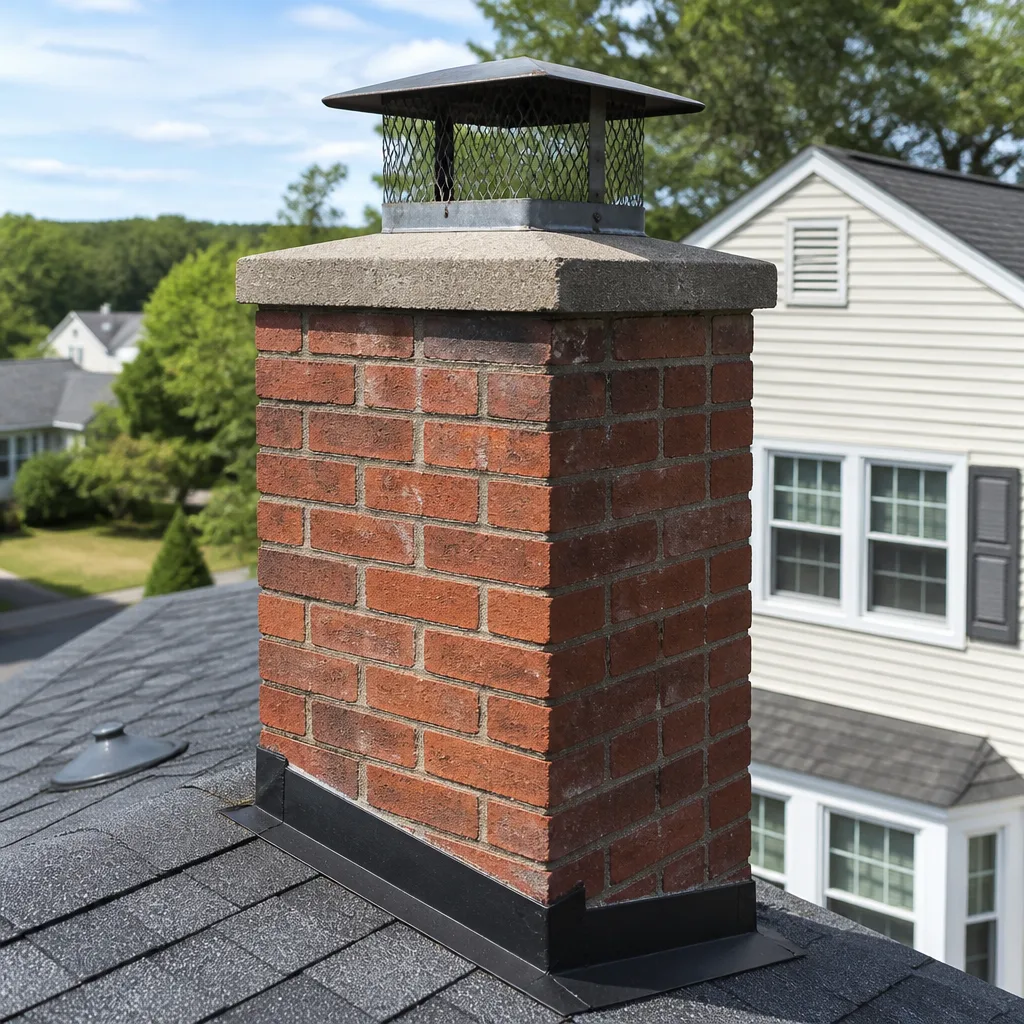 Sweep & inspection
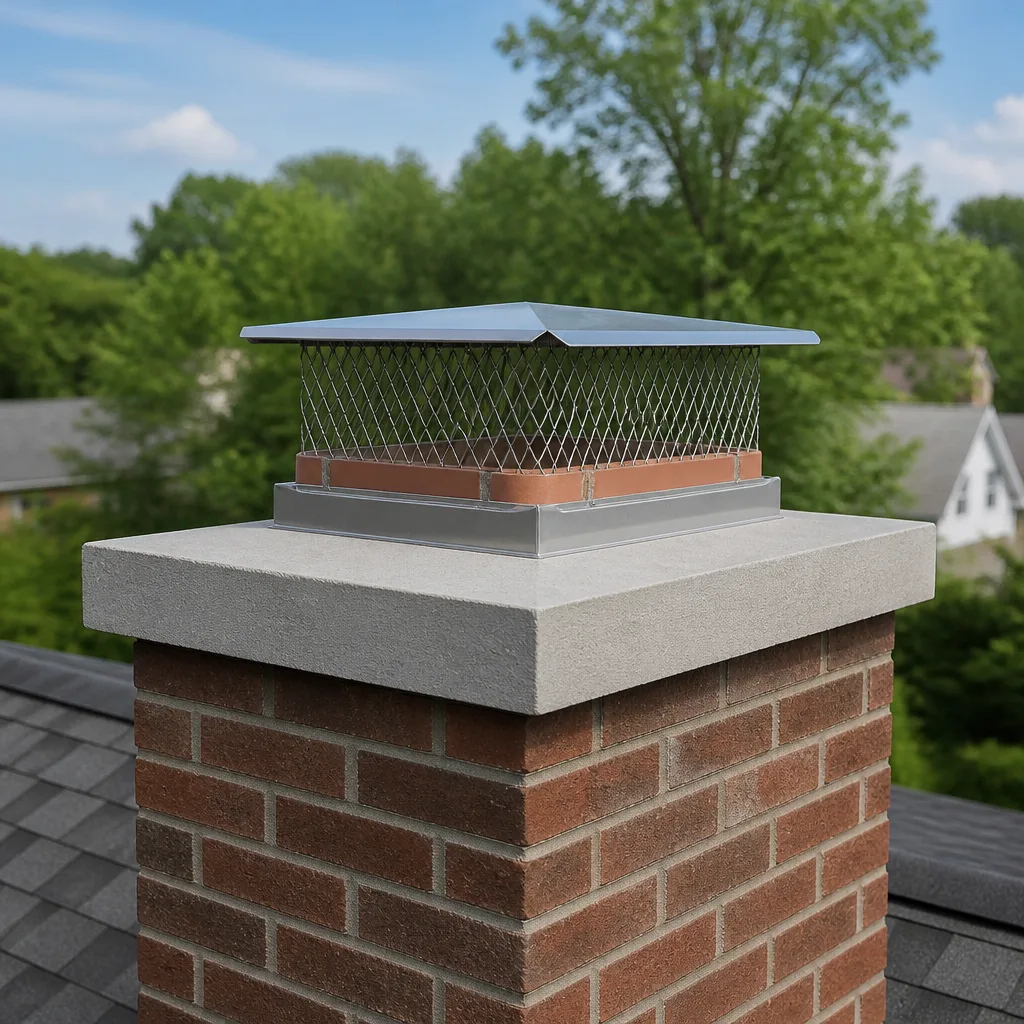 Caps & crowns
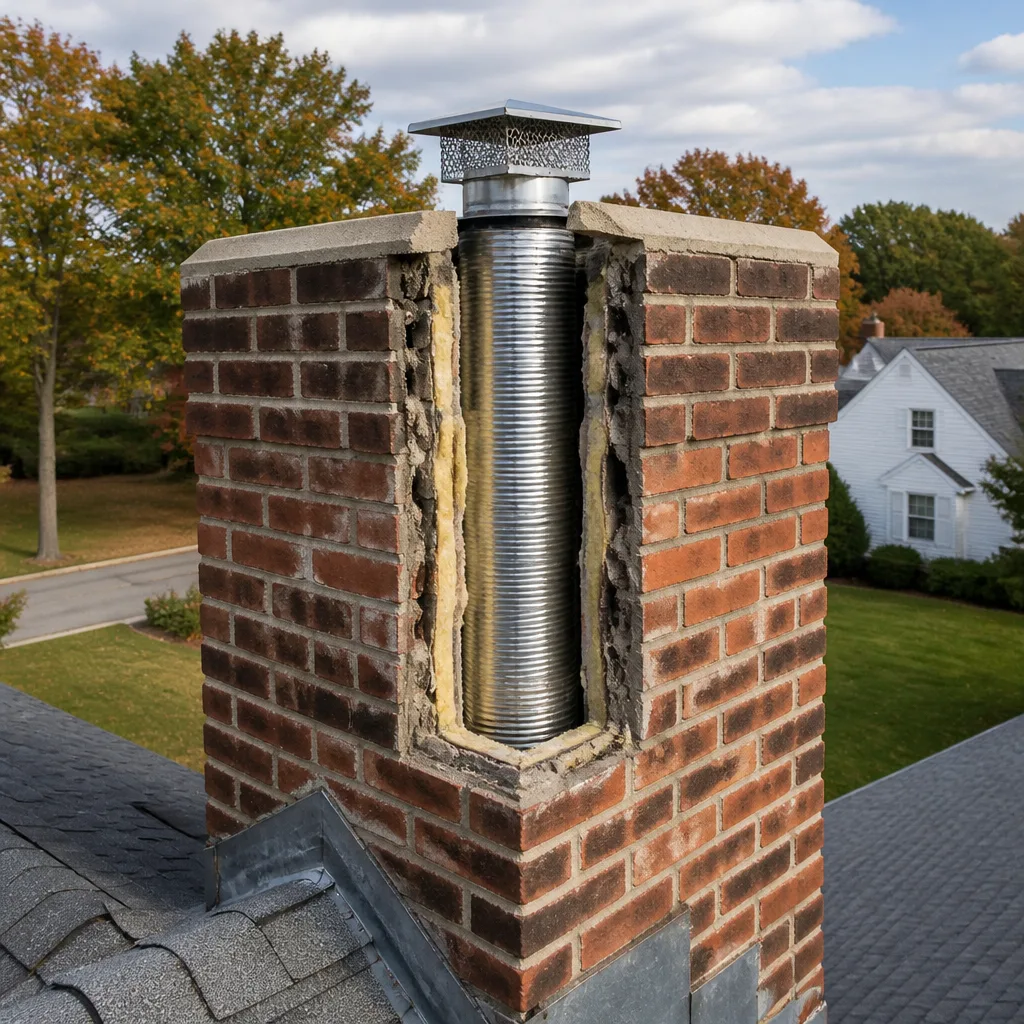 Flue relining
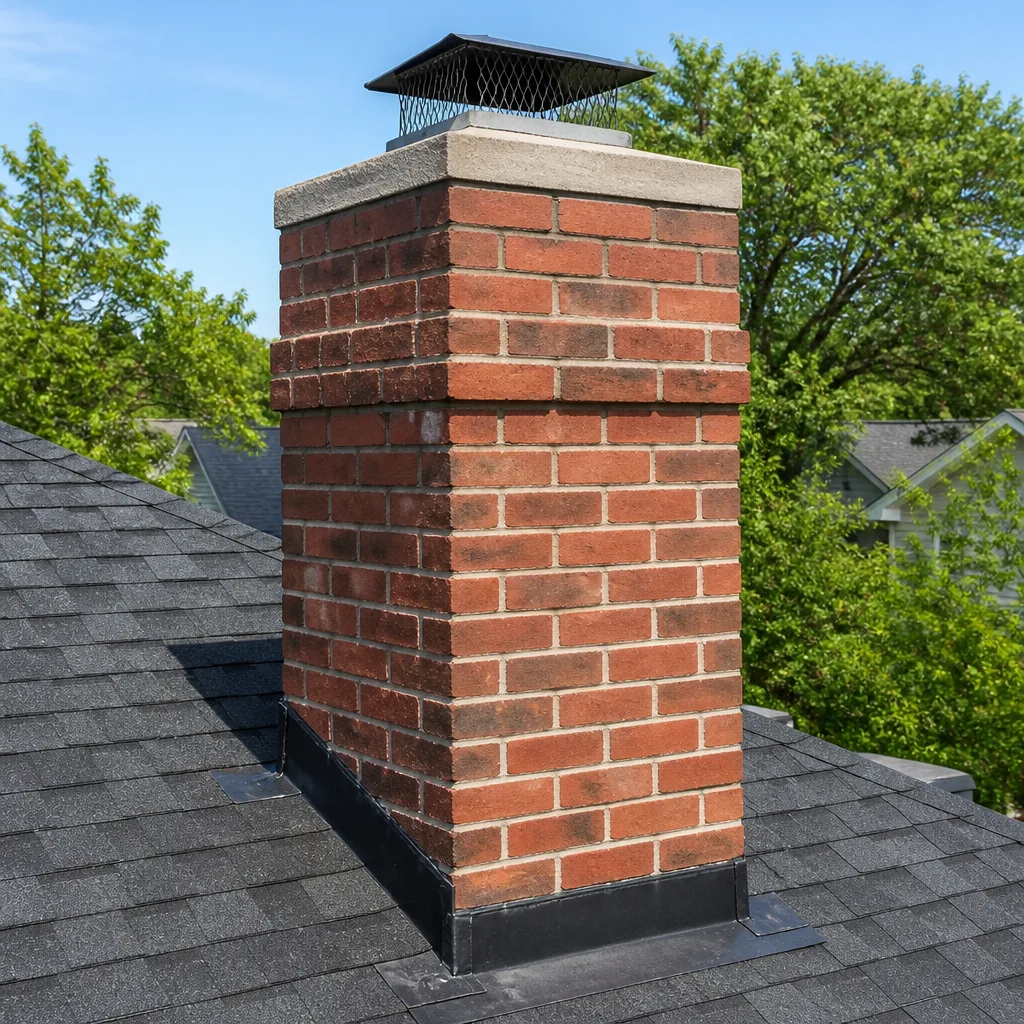 Masonry repair
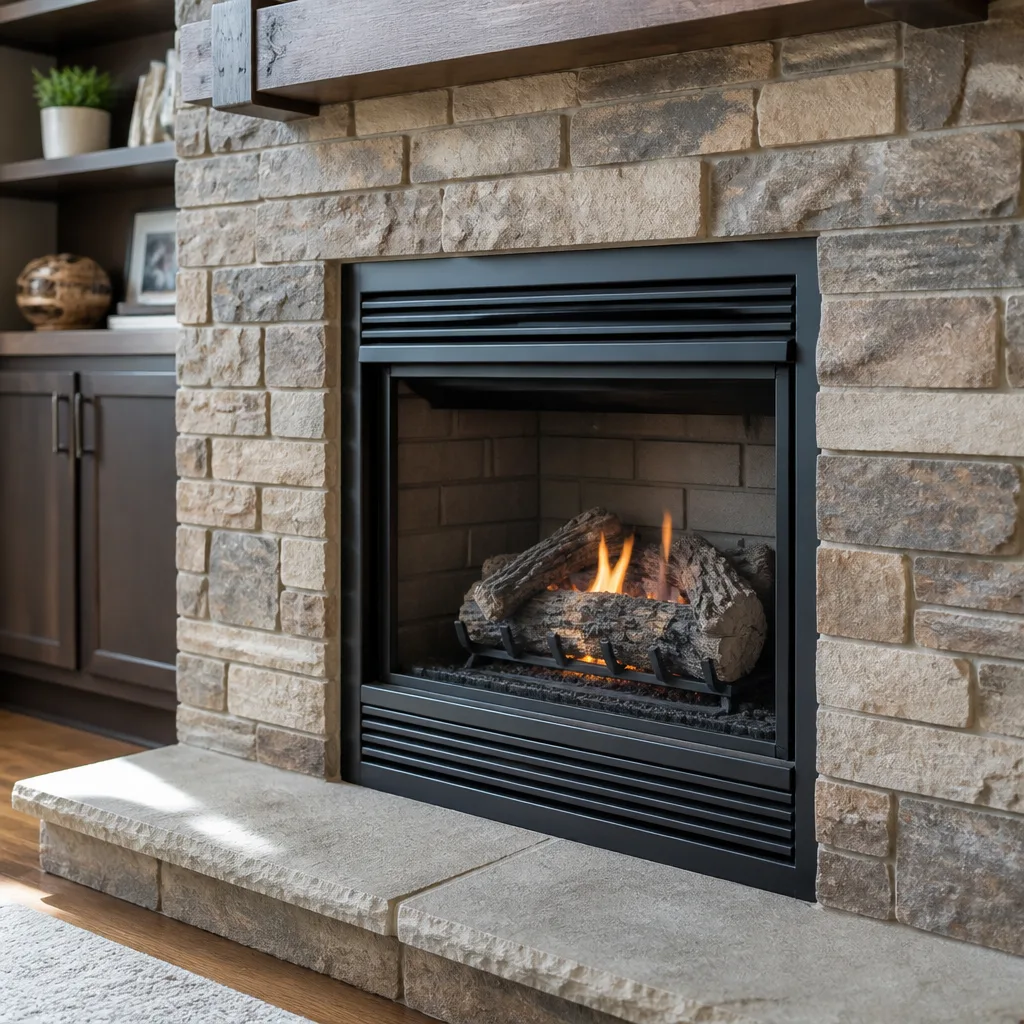 Gas fireplace service
Level 1 sweep and inspection to the NFPA 211 annual standard - flue, crown, cap, and flashing checked and photographed
Chimney sweep logs do not sweep chimneys. They loosen some creosote - which then falls where a brush and vacuum still have to collect it.
Chimney Cleaning Warning Signs: A Sun Valley Homeowner’s Reference Guide
By the time your chimney is giving you the obvious warning signs, you’ve already missed several earlier ones that would have been a fraction of the cost to address. Most people picture the dramatic stuff – flames roaring in the flue, a crack you can see from the driveway, smoke pouring into the living room. Those are the late-stage signals. The ones that actually protect your home show up quietly, months before, and they mostly look like something else. In this guide we’ll walk through the subtle indicators a Sun Valley homeowner can read firsthand: what your chimney smells like after a fire, why smoke rolls into the room, what white staining on the brick really means, and what the damper is telling you about water. Learn to spot these early and you’ll spend far less on repairs.
Quick Answer
The most important chimney cleaning warning signs in Sun Valley are a musty or acrid smell (not the normal post-fire scent), smoke rolling back into the room, a loud or crackling fire, visible soot or creosote near the top of the firebox, white staining or spalling on exterior brick, and a damper that sticks, warps or rusts. Any one of these means it’s time for an inspection before the next fire. None of them require panic – they require a trained eye to tell you what your flue actually needs.
Styles & brands we work with
- Sweep & inspection
- Caps & crowns
- Flue relining
- Masonry repair
- Gas fireplace service
Key Takeaways
- The signs that matter most are quiet: smell, draft behavior, and small changes to the fire itself.
- Odor separates into three types – normal, musty (moisture), and acrid (advanced creosote) – and each points to a different problem.
- Exterior brick staining, spalling and crown cracks are chimney signals even when they look like general wear.
- Damper rust, warping and stiffness are often the first hints of water getting into the system.
- Gas inserts have their own warning signs that wood-burning fireplaces never show.
- Sun Valley’s mild, dry winters mean heating seasons are shorter but not gentler – creosote still builds with every fire.
Table of Contents
- What Your Chimney Smell Is Telling You
- Why Smoke Rolls Into the Room
- Exterior Signs Homeowners Misread
- What the Damper Reveals About Water Damage
- Reading Creosote Before It Becomes a Fire Risk
- Warning Signs Specific to Gas Inserts
- A Seasonal Homeowner Checklist for Sun Valley
- Common Mistakes to Avoid
What Your Chimney Smell Is Telling You
Smell is the most underrated diagnostic tool a homeowner has, and the easiest one to misread. After a fire, some scent is normal – hot metal, a faint smoky note that fades as the house airs out. That’s the system cooling. What matters is what lingers days later, and how it changes with the weather. Three distinct smells point to three different conditions, and each one tells you something specific about your flue.
Normal post-fire scent. Think of this as the base state. It’s mild, fades within a day, and doesn’t get stronger when it rains or when the wind shifts. If this is all you ever notice, your chimney sweep is probably simply due on schedule rather than overdue.
Musty odor. This is the smell of moisture. It’s the same note you get from a damp basement – earthy, stale, oddly cool. When mustiness hangs around the fireplace, especially after a wet stretch or when the furnace first kicks on, water is getting into the system somewhere. Common culprits include a missing or damaged chimney cap & crown, failed flashing at the roofline, or a cracked crown that lets rain run down the flue walls. Musty odor doesn’t usually mean a fire is imminent, but it does mean the chimney structure is taking on water it wasn’t designed to hold.
Acrid, sharp, sometimes headache-inducing smell. This is the one to take seriously. An acrid odor – like burnt tar or old paint thinner – usually means third-degree creosote is present in the flue. Third-degree creosote is the glazed, hardened stage that ignites easily and is difficult to remove without professional tools. If you smell this even when there’s no fire in the fireplace, it’s time for a professional look. We can’t tell you over the phone whether your flue is safe to use, but a camera-assisted inspection will show you exactly what’s there.
One more smell to file away: a plastic or chemical note in the room during a fire. That’s usually not the chimney at all – it’s often a nearby outlet, a hot appliance, or a fireplace insert with failing components. Worth flagging to whoever inspects the system.
Why Smoke Rolls Into the Room and What It Means
Smoke drifting into the room is the classic “dirty chimney” complaint, and sometimes that’s exactly what it is. But it’s also one of the most misdiagnosed symptoms in the trade. A fireplace that smokes doesn’t always need sweeping – it needs an accurate diagnosis of why the draft has failed. In our experience across Sun Valley, the causes fall into a few buckets, and each one calls for a different fix.
An obstructed flue. Soot, creosote, a bird’s nest, a fallen cap, or a collapsed liner section can block the path smoke needs to travel. In this case, a sweep and a look from the top will show the obstruction and clear it. This is the “dirty chimney” case and it’s the simplest to fix.
Poor draft geometry. Every flue is designed to pull a specific volume of smoke. If the firebox is too big for the flue, if the flue is too short, if a nearby tree or tall roofline changes the airflow over the chimney, the physics won’t cooperate. Many Sun Valley homes have fireplace openings that were enlarged at some point without the flue being upgraded to match. Smoke spills every time because the flue can’t keep up. This is a design problem, not a cleaning problem, and no amount of sweeping will fix it.
A cold flue or negative pressure. The fireplace pulls air from the house. If the house is tightly sealed and a kitchen or bath exhaust fan is running, the fireplace is competing for air and can pull smoke the wrong way. A cold flue in the morning can do the same thing – the smoke cools and falls backward instead of rising.
Damper problems. A damper that doesn’t open fully, opens backward, or is warped will choke the flow of smoke. We’ll get to that below.
A blocked or undersized cap. Modern chimney caps protect the flue from rain. If the mesh is clogged with soot and debris, the chimney effectively has no exhaust. An annual cap inspection is cheap insurance.
If your fireplace smokes and the sweep was recent, that’s the clearest sign the cause isn’t dirt. Get a proper inspection before spending more on cleaning.
Exterior Signs Homeowners Misread
Some of the most important chimney signals are outside the house, on the brickwork itself. Homeowners tend to attribute them to time, weather, or “just how brick looks after a while” – and that instinct is why they go unaddressed until the repair gets significantly more involved. If you know what to look for, though, these signs are visible in thirty seconds from the driveway.
- White, chalky staining on the brick. This is called efflorescence, and it’s the visible ghost of moisture working its way through the masonry. When water gets into the brick and evaporates off the surface, it leaves salt deposits behind. Efflorescence isn’t a crack and it doesn’t mean the chimney is failing – but it does mean water is getting in from somewhere, and that source is what needs fixing.
- Spalling brick. When efflorescence advances, brick faces start to pop off in flakes. Spalling is the next stage of the moisture problem and it means the masonry is actively failing. Replace the brick now and the job stays small. Wait and the damage spreads into the shoulder of the chimney and beyond.
- Crown cracking. The crown is the concrete cap at the very top of the chimney that sheds rain away from the flue. Crown cracks start tiny and are easy to miss – they look like a spiderweb at first. Left alone, they open up and let water run straight down the inside of the chimney. We install and repair crowns as part of our dedicated chimney cap & crown work, and a crown repair is one of the most cost-effective fixes in the trade when it’s done early.
- Tilted or missing chimney cap. The cap is the metal or ceramic cover that fits over the flue opening. It stops rain, debris and animals from getting inside. A cap that’s bent, tilted or missing is a straightforward problem – new Gelco or Famco caps are purpose-built for the job and easy to install correctly.
- Staining on the siding or roofing near the chimney. Vertical water streaks on the house side of the chimney can point to failed flashing, a saturated crown, or a spalling shoulder that’s shedding water over the siding instead of down the flue.
- Rust on the damper or firebox hardware. Rust is a close cousin of efflorescence – both mean water intrusion, and rust is more visible inside the firebox.
Sun Valley’s dry seasons don’t exempt brickwork from water damage. Water gets into masonry during rain and then sits. Giving it an inspection before the wet months start is easier than giving it a masonry rebuild.
What the Damper Reveals About Water Damage
The damper is the metal plate above the firebox that opens and closes the flue. Most homeowners touch it twice a season and never think about it otherwise. But the damper is one of the most sensitive early indicators in the whole chimney, because it’s the first metal component that gets hit by moisture coming down the flue – and the first to show it. If you use your fireplace, learn what the damper feels like when it’s healthy, so you can notice when it isn’t.
- Rust. A dry cast-iron damper will have some surface oxidation, but heavy, flaky rust – or rust that reappears after cleaning – is a moisture signal. Water is getting into the firebox from above.
- Sticking or stiffness. A healthy damper opens and closes easily with one hand. If yours suddenly takes two hands, squeals, or binds partway through, the mechanism may be swollen with corrosion or the plate may have warped.
- Warping. Heat warps dampers over time, but so does repeated wetting and drying. A warped damper doesn’t fully seal when closed, which lets cold outside air in when the fire is off and lets smoke leak out when it’s on.
- Difficulty opening in damp weather. This is the tell-tale sign. If the damper is harder to move on a wet day than a dry one, moisture is in the firebox and adjusting how the metal fits.
- Water pooling or staining in the firebox. If you see rust-colored stains on the firebox floor, that’s an additional confirmation that water is entering.
- Loose or missing damper plate. A damper that has warped loose, is tilted, or has fallen entirely needs to be addressed before the fireplace is used again.
A stiff damper that turns out to be caused by water intrusion is often an easy fix – new cap, new crown repair, and the mechanism cleaned up. Left alone, that same moisture works its way into the firebox masonry, and eventually into fireplace repair work that involves rebuilding the firebox. The damper is telling you which of those paths you’re on.
Reading Creosote Before It Becomes a Fire Risk
Creosote is the tar-like residue left behind when wood burns, and it’s the single most important thing a chimney sweep clears out. It builds in three stages, and knowing the stages helps you understand why sweeping frequency matters more than sweeping intensity. First-degree creosote is a light, sooty film you can brush away easily. Second-degree is a flaky, crusted layer that takes professional tools. Third-degree is glazed, hardened, and has the consistency of candle wax – it ignites at fireplace temperatures and burns hot enough to damage the flue itself. A chimney fire is usually a third-degree creosote event.
Some visible signs of heavy creosote buildup, from the firebox:
- Thick, dark, shiny deposits on the firebox walls above the fire – not just soot dust.
- A visible “glaze” on the damper frame or in the smoke chamber that you can see with a flashlight.
- Soot that won’t wipe away with a dry cloth. That’s a sign of something more than surface soot.
- Sudden, dramatic fires that burn hotter than they used to – often the sign that creosote is contributing fuel.
- A crackling or roaring sound from the chimney itself, not the firebox. This is a chimney fire, even if you can’t see flames. Shut the damper if it’s safe to do so and call the fire department.
Some signs you can’t see from the firebox: the condition of the smoke shelf, the top of the smoke chamber, and the inside of the flue above the damper. That’s why a professional sweep is really a top-and-bottom job – the firebox side alone never tells the whole story. In Sun Valley, the shorter burning season doesn’t mean less creosote; it simply means the buildup happens across fewer fires but still accumulates, and often the annual sweep gets skipped because the fireplace wasn’t used much that year.
The one thing we always tell homeowners: we can’t reliably tell you over the phone whether you have first-degree or third-degree creosote, no matter how well you describe it. It takes a trained eye and a camera.
Warning Signs Specific to Gas Inserts
Gas fireplace inserts hide their warning signs better than wood-burning fireplaces because there’s no fire to watch and no soot to see. The signals they give are different, and if you know them, they’re unmistakable. We work on both fireplaces and chimney structures as a dedicated specialist, and gas inserts are a category where early detection saves real money.
- Yellow or orange flame instead of blue. A healthy gas flame burns blue with a soft yellow tip. A consistently yellow, sooty, or wavering flame – especially with a visible orange cast – usually points to incomplete combustion. Get the unit looked at before using it again. Combustion problems can produce carbon monoxide, which has no smell and no color. A working carbon monoxide alarm in the room is a basic safety requirement, not an optional extra.
- Soot on the glass or logs. A properly burning gas insert produces almost no soot. Soot on the glass or the ceramic logs means combustion isn’t clean and the unit needs service.
- A smell of gas when the unit is off. Any gas smell near an insert – even faint and intermittent – should be checked immediately. Turn the unit off, ventilate the room, and call a professional. Gas work is not a homeowner task.
- Lazy flames that don’t respond to the remote. A gas insert whose flames flicker weakly or won’t stay lit can indicate a blocked vent, a failing thermocouple or pilot assembly, or a partially closed damper on a vented unit.
- Condensation on the glass. Interior glass moisture that doesn’t clear once the unit is warm can indicate improper venting or a partly blocked termination cap. This is where a properly installed cap from a trusted line like Olympia Chimney or Gelco matters – the wrong cap on a gas insert can restrict airflow.
- Staining or water in the firebox. Even a gas insert sits inside a firebox that gets the same water intrusion through the chimney as a wood-burning fireplace. A rusted insert surround or water stains inside the firebox are still moisture signals.
One more: if your gas insert was converted from wood, the old flue may still need attention. A converted fireplace can have a partially blocked flue liner that restricts the new gas vent and produces smell or smoke problems long after the conversion. A proper inspection tells you whether the liner is correct for the insert.
A Seasonal Homeowner Checklist for Sun Valley
Walking the system once at the start of each burning season catches the quiet signs before they become expensive ones. This isn’t a full inspection – it’s a visual pass you can do in about fifteen minutes. If anything on it looks off, we’d rather you call and find out its nothing than wait and let it grow.
- Walk the exterior. Check the brick for white staining, spalling, and any new cracks in the crown. Note whether the cap is intact, level and free of visible rust or missing mesh.
- Open the damper. Does it move cleanly? Any rust, stiffness or warp is worth noting.
- Look inside the firebox with a flashlight. Check for glazed deposits, soot patterns that look unusual, cracks in the firebox masonry, and rust staining in the corners.
- Smell the firebox. After a day or two with no fire, is the scent mild and fading, or musty and persistent? Is there an acrid edge?
- Test the fire. Light a small fire and watch the smoke. Does it draft up cleanly, or does it roll into the room before rising?
- Check the carbon monoxide alarm. If the fireplace shares space with a gas insert, verify the CO alarm works before burning season.
- Note anything that changed since last season. A crack that wasn’t there last year, a smell that’s stronger, a damper that suddenly sticks. Changes matter more than steady states.
If nothing on the checklist raises a flag, you’re in good shape for the season and due for a sweep on the usual schedule. If one or two items do, that’s not a crisis – it’s a call.
Common Mistakes to Avoid
- Treating every smoke issue as a cleaning issue. If your fireplace smokes and it was swept recently, more sweeping won’t help. The cause is usually draft geometry, negative pressure, or a damper problem, and each has a specific fix that no brush will provide.
- Ignoring an acrid smell because the fire looks fine. A clean-looking fire with an acrid odor nearby can still be sitting on a third-degree creosote flue. The fire doesn’t tell the whole story, and the smell does.
- Skipping the sweep because you burned lightly that season. Slow-burning, smoldering fires deposit more creosote per cord than a hot, active fire. A season that felt light on fires can still produce meaningful buildup – a common Sun Valley misconception.
- Assuming white brick staining is just age. Efflorescence is water working through masonry. It’s the early, cheap stage of a problem that’s much more expensive once brick starts spalling.
- Using a general handyman with a brush. A chimney sweep is a specialty – the flue, the smoke chamber, the crown, and the firebox all need to be read as one system, and generalists usually don’t carry the tools to diagnose the whole thing.
- Treating a rusted damper as a cosmetic issue. Damper rust is one of the earliest water-intrusion signals in the trade. Fixing the source of the water while it’s small is far cheaper than rebuilding a firebox later.
- Handling gas insert problems yourself. Gas smell, yellow flames, or the carbon monoxide alarm going off are all professional-only situations. Turn the unit off, ventilate, and call.
See the difference
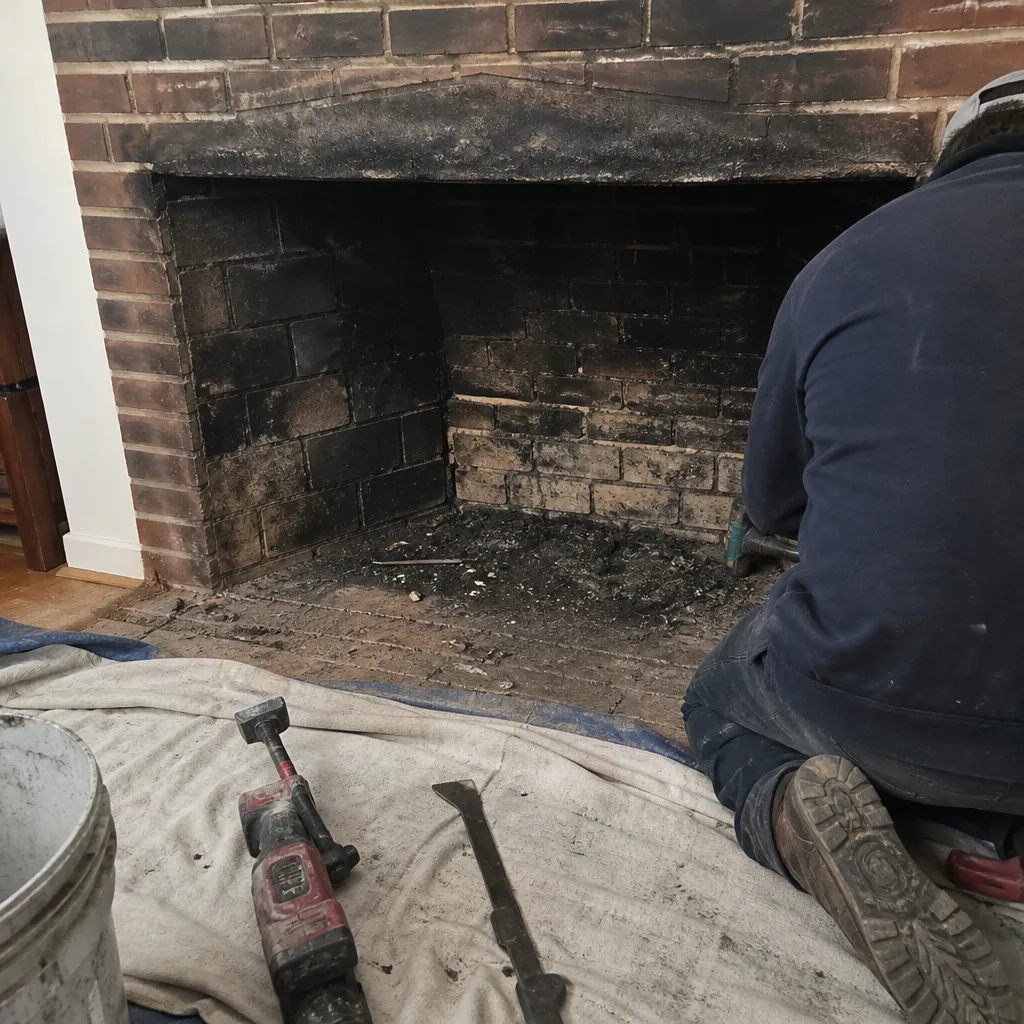 Before
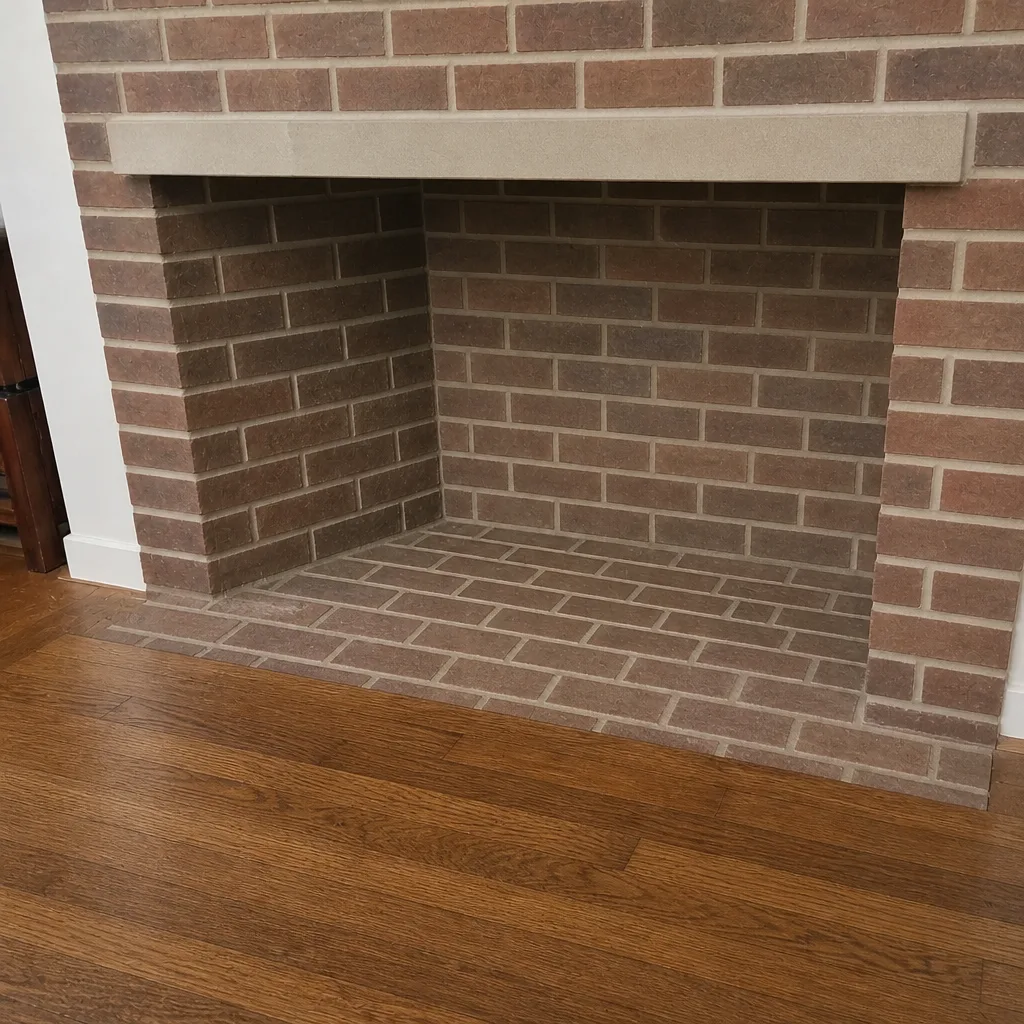 After
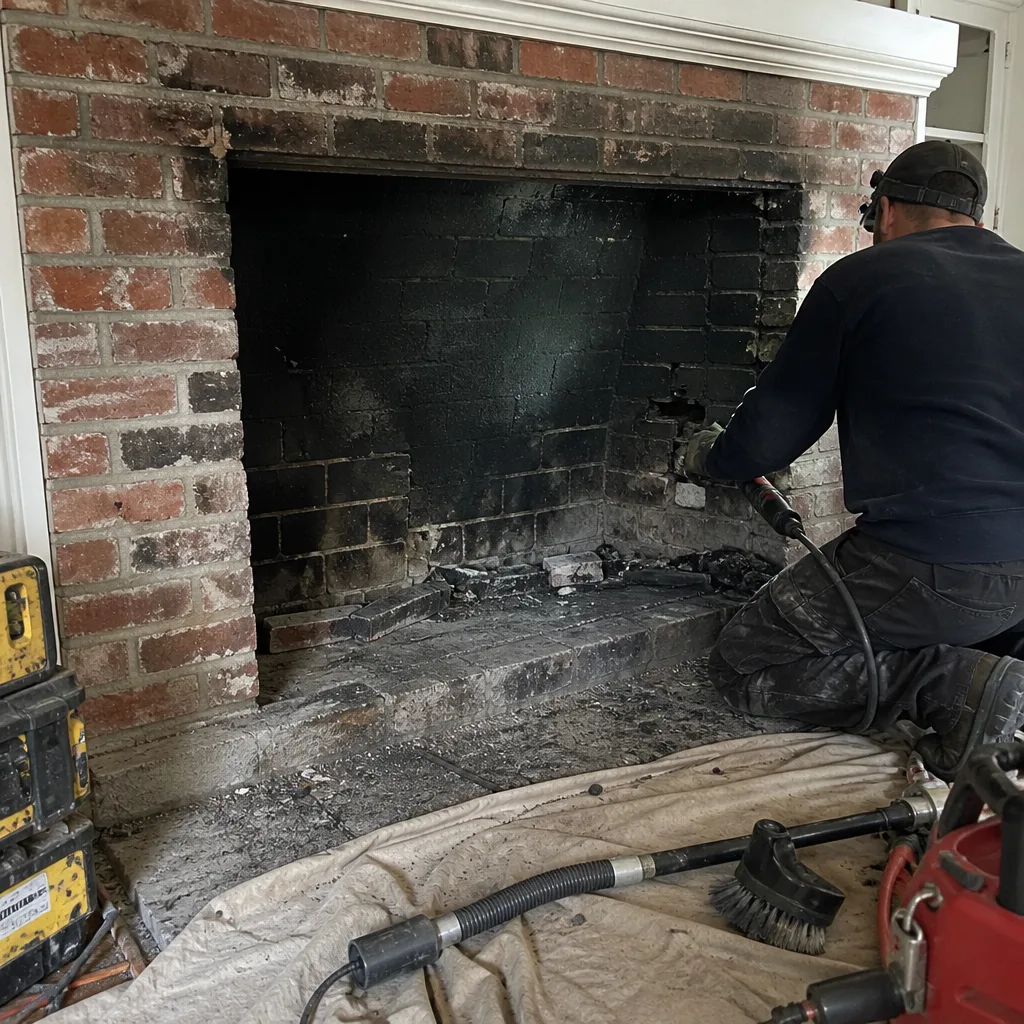 Before
 After
 Before
 After
When to Call a Professional
Some signs are worth watching. Others are worth a call the same day. Call us if you smell gas anywhere near a fireplace or gas insert, if there’s an acrid smell near the firebox with no fire burning, if a crackling or roaring sound comes from the chimney itself, if a carbon monoxide alarm goes off in a room with a fireplace, if smoke is genuinely filling the room, or if the exterior brick shows new spalling or the crown has an open crack. Do not use the fireplace until a professional has looked at it. For the less dramatic signs – efflorescence, a stiff damper, an odd post-fire scent – a scheduled inspection is the right move before the next burning season. Chimney Sweep Sun Valley offers free estimates in Sun Valley. Call (855) 710-2744. We answer 24/7. Fast dispatch from 7am to 7pm, Sunday through Friday.
Frequently Asked Questions
Most chimneys should be swept once a year during active burning, and a professional inspection should confirm whether more frequent sweeps are needed for your specific fireplace and burning habits. If you burn hardwood and use the fireplace several nights a week through the season, an annual sweep is the baseline. If you’ve had a chimney fire, changed fuel types, changed wood sources, or the fireplace hasn’t been used much, get an inspection rather than assuming a sweep schedule. Call (855) 710-2744 for a free estimate.
Not necessarily. A deteriorated flue liner doesn’t always mean a full relining – the structure has to be inspected first, and sometimes a repair rather than replacement is the right path. HeatShield ceramic resurfacing, for example, can be used to restore a damaged flue liner without a full relining when the structure allows it, and DuraFlex flexible liners are specified when a full reline is actually needed for an older or offset flue. The only way to know which applies to you is a camera-assisted inspection that shows you what’s inside the flue. Nothing should be recommended without that evidence. Call (855) 710-2744.
Creosote builds continuously, and third-degree creosote can ignite at fireplace temperatures, so skipping a sweep leaves an unseen fuel load in the flue. That risk compounds over skipped seasons because the harder deposits are also the ones that burn hotter and are the hardest to remove. Skipping also lets the quieter issues – moisture, small crown cracks, damper rust – progress unaddressed, which is where structural repair costs start. Call (855) 710-2744 for an exact quote – estimates are free.
A musty smell in a fireplace that hasn’t been used is usually a sign of moisture getting into the system, and it can appear even when the firebox looks dry from the outside. The most common entry points are a failed or missing chimney cap, a cracked crown, or failed flashing at the roofline, any of which lets rain get into the flue where it sits. Get the cap and crown inspected first – those are the two most common points of water intrusion. Call (855) 710-2744.
Not reliably. A fire can look clean and draft well while third-degree creosote sits higher up in the flue, above the point you can see from the firebox. The visible firebox signs are a starting point, but the parts of the system that matter most – the smoke chamber and the flue above the damper – need a professional look with a camera. Call (855) 710-2744 for an inspection.
Gas inserts don’t produce creosote because there’s no wood burning, so the wood-fire creosote risks don’t apply. But gas inserts have their own warning signs, including yellow flames, soot on the glass or logs, condensation that won’t clear, and any gas smell at all – and these are combustion signals that should be handled by a professional. A yellow or sooty flame suggests incomplete combustion, which is a carbon monoxide risk, not a cosmetic one. Call (855) 710-2744 for a free estimate.
The Bottom Line
The chimney problems that get expensive are rarely the ones that announce themselves. They start as a musty smell, a stiff damper, a hairline crown crack, chalky brick. The dramatic signs – flames in the flue, smoke filling the room, gas alarms – are what you’re trying to avoid by noticing the quiet ones first. In Sun Valley, the mild winters make it easy to forget the fireplace has a schedule of its own, but creosote doesn’t care about the weather. The simplest move is a yearly sweep plus a proper inspection, and the smartest move is to call when your own checklist starts raising questions. Our technicians have up to 13 years of experience and read the whole system – firebox, flue, cap and crown – as one piece. From firebox to crown, we handle the entire system.
If any of the warning signs in this guide sound familiar, don’t burn through them. Call (855) 710-2744 for a free estimate. We answer 24/7. Fast dispatch from 7am to 7pm, Sunday through Friday. You’ll get a straight answer on what your flue actually needs – and you’ll see the camera evidence before anyone recommends a thing.
Written by the team at Chimney Sweep Sun Valley.
Explore our full range of services at Chimney Sweep Sun Valley.