
Last updated November 22, 2026
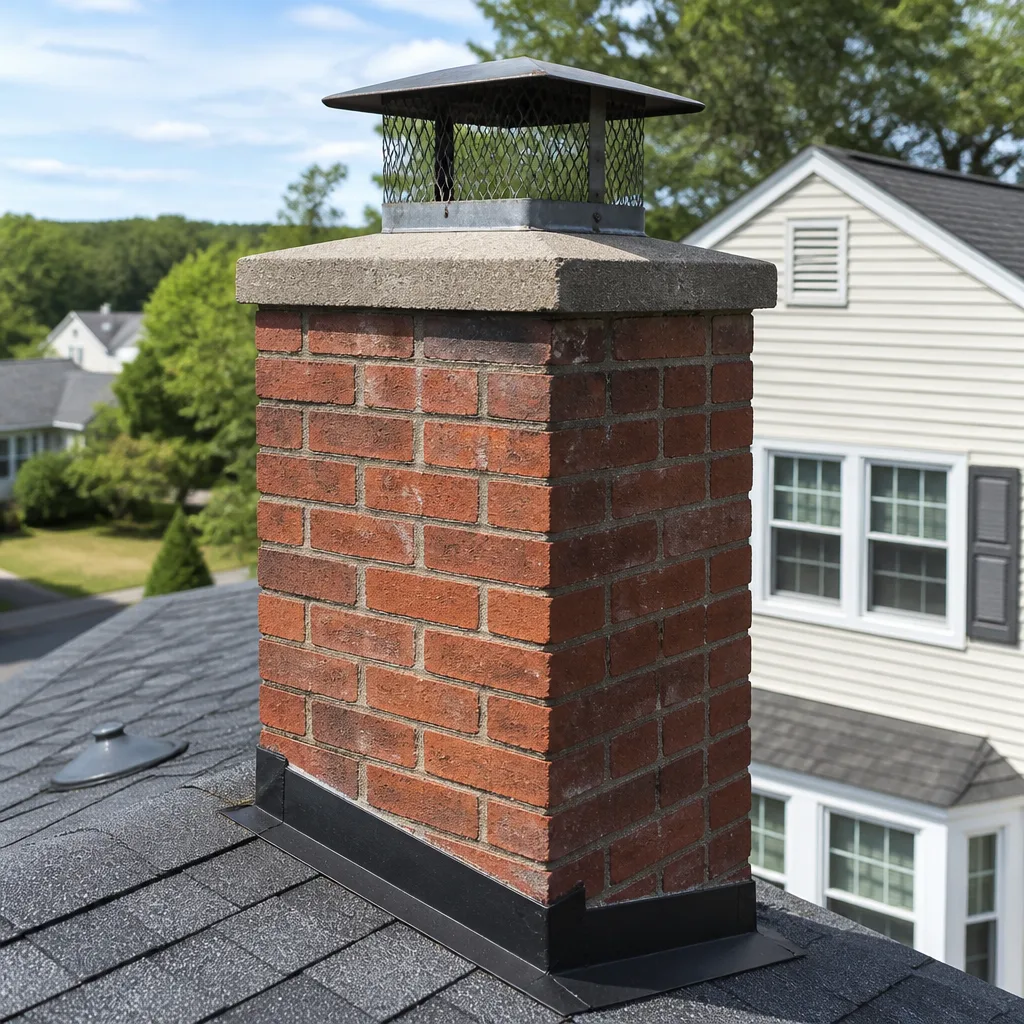 Sweep & inspection
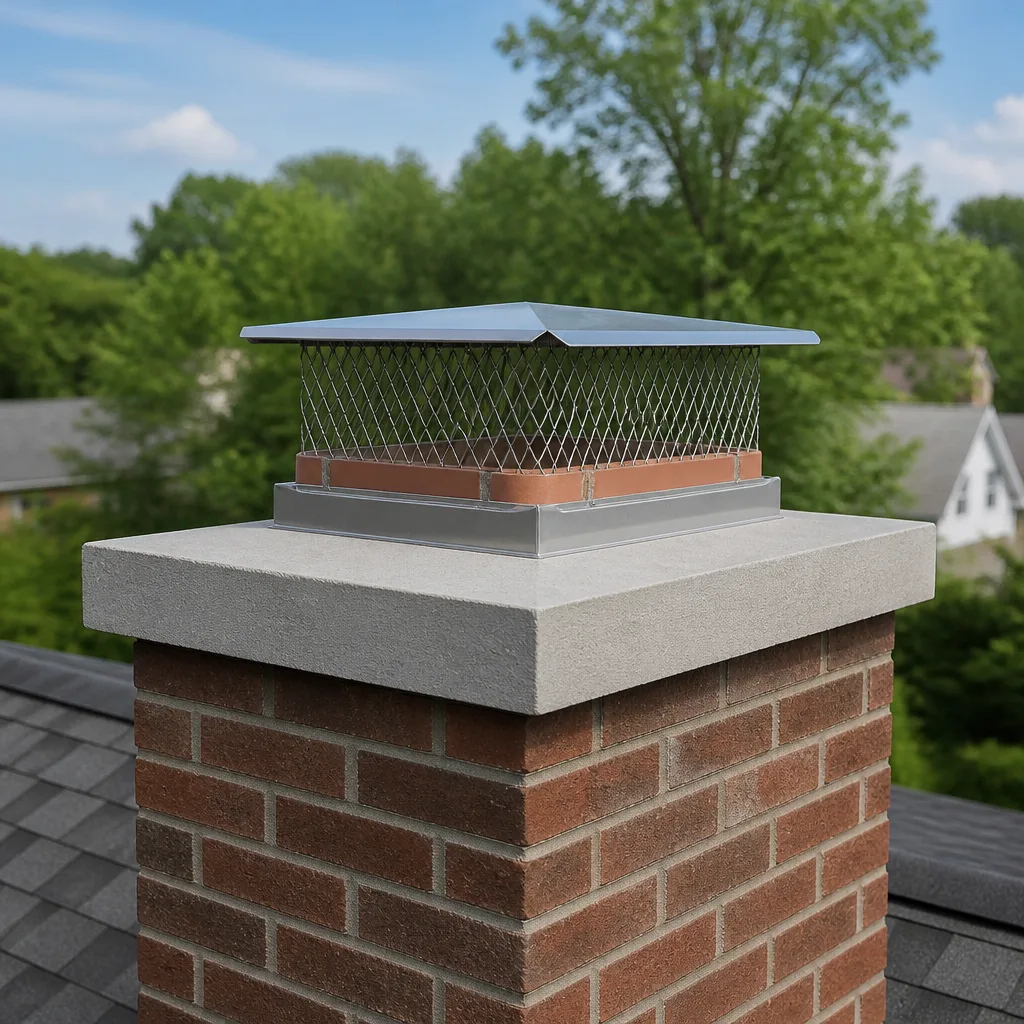 Caps & crowns
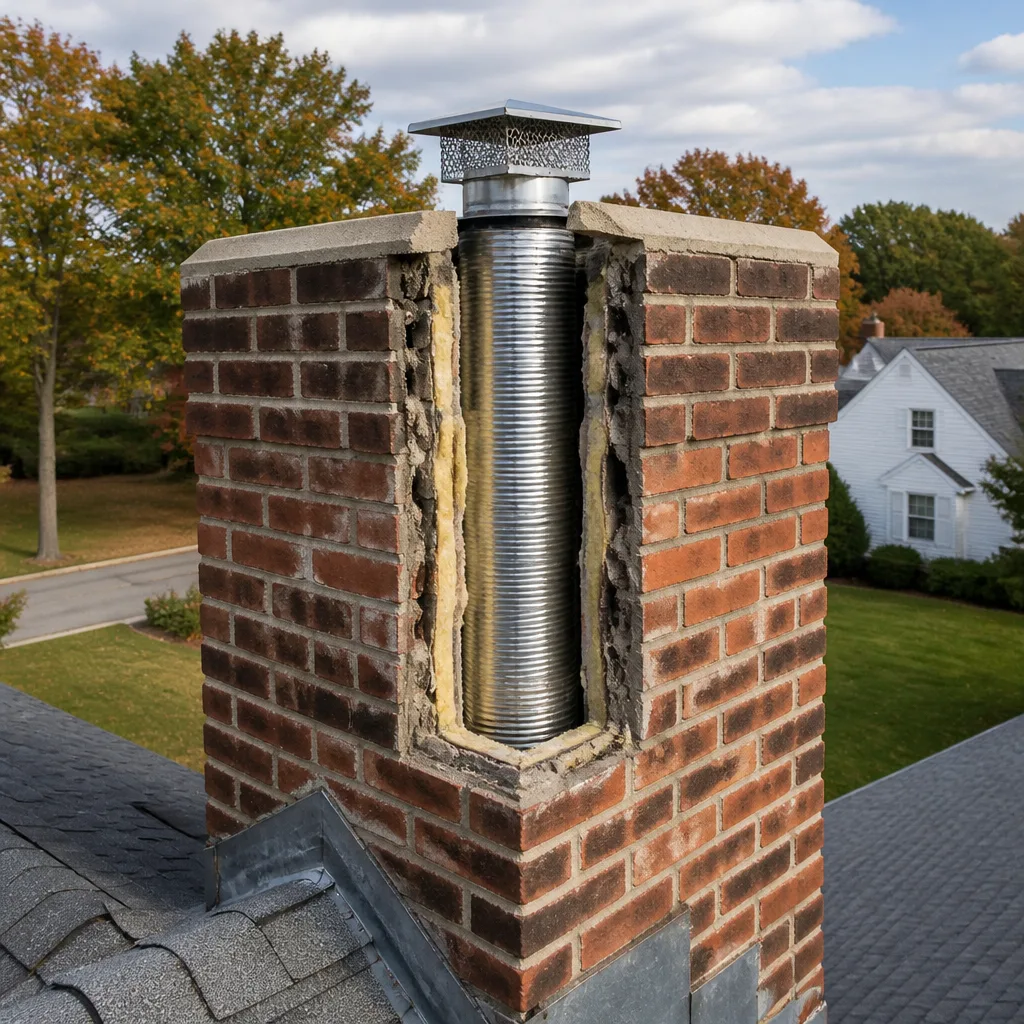 Flue relining
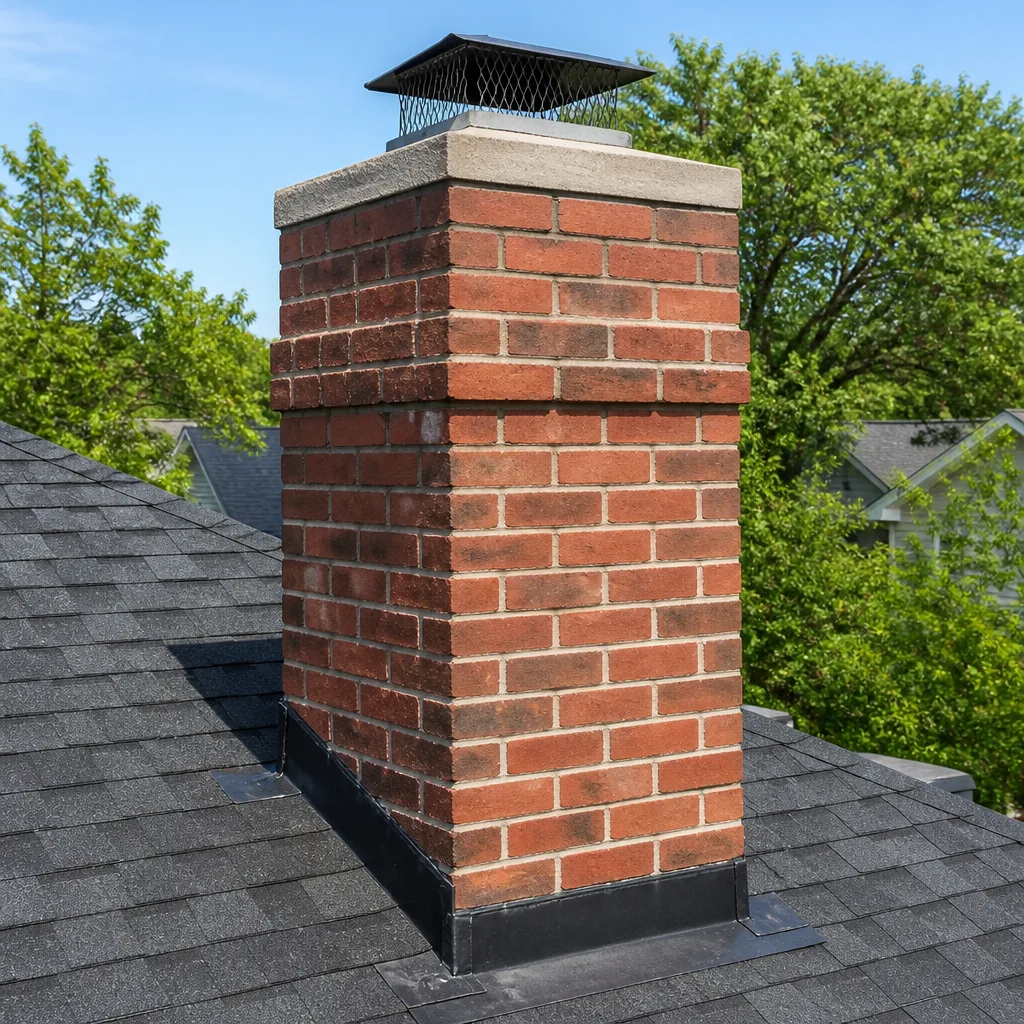 Masonry repair
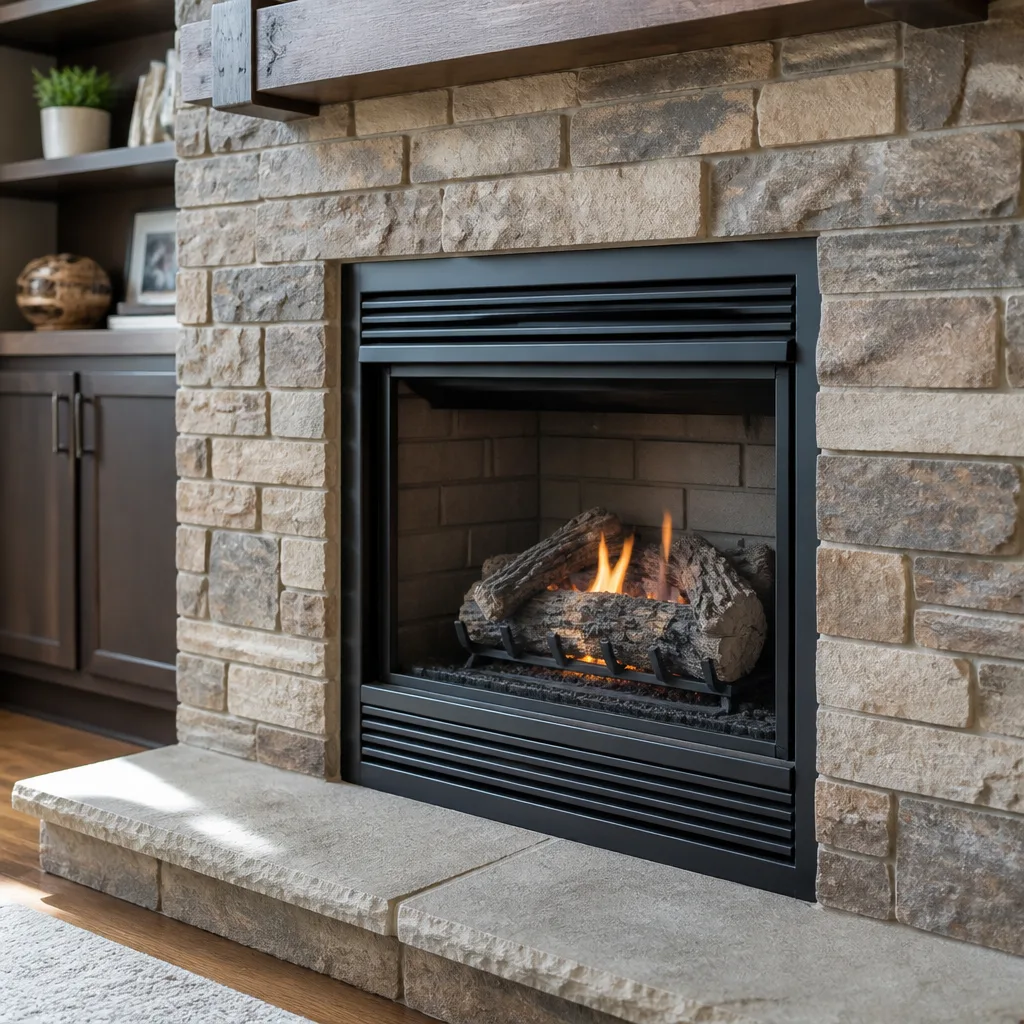 Gas fireplace service
Level 1 sweep and inspection to the NFPA 211 annual standard - flue, crown, cap, and flashing checked and photographed
Chimney sweep logs do not sweep chimneys. They loosen some creosote - which then falls where a brush and vacuum still have to collect it.
Seasonal Chimney Cleaning Care for Sun Valley: Year-Round Homeowner’s Guide
Sweeping at the wrong time of year is the mistake we see most in Sun Valley. Most chimney care advice is written for cold-climate homeowners who burn from October to April, so a national guide will tell you to sweep in fall and forget the chimney until next autumn. That rhythm misses how people here actually live. Our burning is compressed: a short, intense stretch of fireplace nights surrounded by months of dry heat and, increasingly, smoky air from regional fires. Creosote that sits through a Sun Valley summer bakes hard, and a flue you “closed up” in spring is still collecting a different kind of problem. This guide walks through the full annual cycle as it actually plays out in Sun Valley, month by month, so you know what to do before the first fire, during the burn season, and after it ends.
Quick Answer
For most Sun Valley homes, chimney care follows a simple loop: sweep and inspect before the first fire of the season, monitor the flue during active burning, document what you saw when you stop using the fireplace, and stay wary of the off-season. The single most valuable step is the pre-season sweep and inspection, done in late summer or early fall before the first burn. Everything else is monitoring and record-keeping that helps you spot problems early and gives a professional something real to work from.
Styles & brands we work with
- Sweep & inspection
- Caps & crowns
- Flue relining
- Masonry repair
- Gas fireplace service
Table of Contents
- Why Sun Valley Chimney Care Follows a Different Calendar
- September: The Pre-Season Sweep
- December to February: Mid-Season Monitoring
- March: Post-Season Documentation
- Summer Off-Season: What Heat Does to an Unswept Chimney
- Wildfire Smoke Events and Your Chimney
- A Quick Look at the Whole System
- Common Mistakes to Avoid
- Frequently Asked Questions
Why Sun Valley Chimney Care Follows a Different Calendar
Sun Valley is not a mountain town and it is not a coastal one. Winters here are mild enough that many households don’t run the fireplace every night, and the burning season condenses hard into a stretch of roughly four months. Homes in neighborhood pockets like the flats and the hillside streets burn a lot in that window, then go quiet. That compression matters for the chimney because creosote and soot don’t care that you stopped lighting fires. They keep reacting to whatever the weather does next.
There’s a second local factor. The hot, dry season here brings long stretches of sustained heat and, in some years, smoke from regional fires. A chimney is not a sealed container. It is a tube with a cap on top that is meant to vent air, and a damper at the bottom that may or may not seat tightly. During the off-season, an unswept flue is exposed to heat, dry air, and whatever the wind carries. Leftover creosote glazes and hardens in that environment, which makes the fall sweep harder and the first inspection less reliable.
So the calendar that works for a Sun Valley homeowner is not “sweep once a year whenever.” It’s a loop with fixed points:
- Late summer / early fall: sweep and inspect before the first burn.
- Active burning months: watch for warning signs and act early.
- End of season: record what you saw and photographed.
- Off-season: protect the flue and watch for smoke events.
The rest of this guide walks through each stage. Where it makes sense, we’ve linked to the deeper service pages on this site so you can go further on any single step. If you want the big picture on who we are, start with Chimney Sweep Sun Valley.
September: The Pre-Season Sweep
A pre-season sweep in late summer or early fall, done before the first fire, is more useful than a post-season one. The reasoning is simple. A sweep clears soot and creosote so the first fire burns clean. The inspection that comes with it, done before the season starts, gives you time to address any worn gasket, cracked crown, loose cap, or damaged flue liner without rushing. If you wait until you’ve burned for a month, you’ve already pushed a season’s worth of heat and smoke through whatever the flue needed fixed.
Here’s the case for doing it before the first fire:
- You know the flue is clear going into the season, not after it.
- Any repair found in the inspection can be done before the first burn, not squeezed in during active use.
- The inspection is more accurate on a swept flue because the technician can see the liner surface instead of a layer of soot.
- You avoid the scramble in the first cool week, when every chimney in Los Angeles County seems to need service at once.
What a proper pre-season visit actually involves:
- A visual check of the firebox and damper before anything gets swept, so the technician knows what’s there.
- A camera inspection of the flue, looking for cracks, gaps in the liner, or heavy glazed creosote that a brush alone won’t clear.
- The sweep itself, with drop cloths and a sealed workspace so your floors and furniture stay clean.
- Cleaning of the smoke chamber and shelf, where creosote hides and where a lot of chimney fires actually start.
- A photo report of what was found, what was cleaned, and anything worth watching.
The sweep is the starting point, and the inspection is what tells you whether the flue needs anything more. That’s why we treat chimney sweep visits as a combined sweep-and-inspect job rather than a brush-and-go. Our technicians have up to 13 years of experience and can walk you through what the camera shows you in plain language, with photos you can look at yourself.
December to February: Mid-Season Monitoring
Once the fireplace is in regular use, most Sun Valley homeowners should do a quick visual check every couple of weeks and pay attention to what they smell, hear, and see. You are not opening the flue or doing your own inspection. You’re looking for the early warning signs that say a professional should come back out before the season ends. Between the short days and the cool evenings, this stretch is when most of the burn happens, so it’s also when any developing problem shows up fastest.
What to watch for during the burn season:
- Smoke rolling back into the room instead of up the flue. Sometimes a cold flue, sometimes a real draft problem or a partial blockage.
- A stronger, sharper smell from the fireplace, especially a creosote-like odor that lingers after the fire dies down.
- Popping or crackling that seems louder or different from normal wood burn noise.
- Visible soot building up on the firebox walls or glass faster than you’d expect.
- A dull, heavy, or “closed-in” feeling in the room when the fire is going, which can point to poor draft or reduced flue flow.
- Any smell of smoke in the house after the fire is out.
None of these guarantees a serious problem. All of them are reasons to stop guessing and get a professional eye on the flue. We’d rather hear from you in January with a mild concern than in March after a season of burning on a flue that was slowly getting worse.
Carbon monoxide is the reason we flag the smell and draft signs so plainly. It’s a colorless, odorless gas, and a chimney that isn’t drafting properly can push it back into living space. A working carbon monoxide alarm on each level of the home is a basic safety check for anyone who burns wood, and you should not rely on smell alone to tell you the flue is working. If your alarm sounds, get everyone outside and call your gas utility or 911 before anything else. That is not a chimney service call – it’s a safety call.
Two smaller habits help too. Burn well-seasoned, dry wood rather than green or damp wood, which produces more creosote and more smoke. And don’t overload the firebox or run the fire hotter than the fireplace was built for, which can damage the firebox and the flue over a season.
March: Post-Season Documentation
When you stop lighting fires for the season, take twenty minutes to document what you saw and photograph the key parts of the chimney. A post-season record is short work now and saves a lot of “was that always cracked?” guessing next fall. It also gives any technician you call a real reference point, not a memory. In our experience, the homeowners who get the smoothest fall service are the ones who hand over a small folder of photos from the previous spring.
What to record at the end of the season:
- Photos of the firebox interior – the brick walls, the floor, and the damper area, taken from a few angles with the room light on.
- A photo of the glass or doors, if your fireplace has them, showing the amount of soot at the end of the season.
- Exterior photos of the chimney from the ground, showing the cap, the crown, and the flashing where the chimney meets the roof.
- A short written note of anything that felt or smelled off during the season, and roughly when.
- The date of the last sweep and inspection, so you know how much burn has happened since.
“I don’t know when the chimney was last swept” is one of the most common answers we hear. It doesn’t tell you anything about the actual condition of the flue. A real record does.
If the photos or note raise a question – a visible crack, a chunk missing from the crown, a gasket that looks worn – March is a good time to have it looked at. Repairs scheduled in spring can be done before the season starts, so you’re not waiting on parts or a slot in October. Fireplace-side issues belong to a dedicated fireplace repair visit rather than the sweep.
Summer Off-Season: What Heat Does to an Unswept Chimney
A closed damper is not protection. That’s the core thing to understand about a Sun Valley summer. The damper closes the flue off from the room, but the chimney is still a vertical shaft open to the outdoors through its cap. Heat, dry air, and the occasional gust of wind still move through it. Whatever creosote and soot were left in the flue after last season sit in that environment for months. Sustained heat hardens creosote and can make it glazed and crusted, which is harder to brush out in the fall and harder to inspect underneath.
What a Sun Valley summer does to an unswept chimney:
- Creosote hardens and glazes. Light, flaky soot can turn into a hard shell on the flue wall over a hot summer, which is less likely to clear in a single sweep.
- Heat and dry air stress masonry. The crown, the mortar joints, and the brickwork on the exterior of the chimney expand and contract with the day-night swing. Small cracks that show up in summer get worse through the next burn season.
- Odors build up. Leftover soot and creosote can smell stronger in hot weather, and a chimney that smells in the summer is a chimney that needs attention.
- Animals and debris find their way in. Birds, squirrels, and windblown debris are drawn to an open flue top through a missing or damaged cap.
- Water intrusion starts at the top. The two most common points of water entry are the chimney cap & crown, and a damaged cap or a cracked crown lets a little moisture in on every storm. That damage builds season after season toward structural repair.
So the off-season isn’t a rest. It’s when the chimney is most exposed to the dry heat and to whatever gets in through the top. A cap and crown in good condition is the first defense. We install purpose-built caps from Gelco and Famco, and we source components through Olympia Chimney, all specified by chimney professionals rather than picked off a hardware-store shelf. If your cap or crown has years of sun on it and you’ve never had a professional look at it, that’s a useful summer call.
Wildfire Smoke Events and Your Chimney
When regional fires push smoke into the Sun Valley area, or on Red Flag days when fire conditions are dangerous, treat it as a reason to check the chimney outside the normal schedule. The smoke itself is a health and air-quality concern, but it also carries fine ash and particles into the flue that you didn’t generate with your own fire. Sun Valley’s basin setting and inland location mean smoke can settle and linger more than on the coast. The point of a protocol check isn’t to panic. It’s to know your flue is in good shape before the next burn, especially if the flue already had a visible issue.
A simple smoke-event protocol:
- Keep the damper closed during heavy smoke so it doesn’t drift into the room, unless you have a fire going and need the draft.
- Note the event in your post-season record with the date and how bad it was.
- Add a visual check of the flue top and cap to your end-of-season walk-around, looking for extra soot or debris.
- Get a professional sweep and inspection before the next burn season if the event was prolonged or if this was a heavy-smoke year.
For homes that run an air purifier or keep the house closed up during smoke events, the chimney is still exposed through its cap. That’s part of why the sweep-inspect step matters in a smoke-heavy year – the flue takes on ash it didn’t take on from your own fires.
A Quick Look at the Whole System
Seasonal care is easier to follow when you know what the chimney is made of and which part handles which job. A chimney isn’t a single piece. From bottom to top it’s a system, and each part has its own failure mode and its own repair path. From the firebox to the crown, we handle the entire system as a dedicated chimney specialist, working with the same professional-grade products the trade specifies.
The main components and what each does:
- Firebox and damper: where the fire sits and where you control the draft. Damage here is a fireplace-side repair.
- Smoke chamber: the funnel above the firebox that guides smoke into the flue. A common spot for hidden creosote buildup.
- Flue liner: the inner wall the smoke travels through. A cracked or deteriorating liner is the classic reason a chimney needs relining. We install DuraFlex flexible liner systems as a professional-grade solution for older or offset flues.
- Chimney cap: the cover at the top, purpose-built from brands like Gelco and Famco, that keeps out water, debris, and animals.
- Chimney crown: the concrete or mortar top that sheds water away from the masonry. It’s one of the most common points of water intrusion.
For a deteriorating flue interior, there’s a repair path short of full relining. We use HeatShield, a ceramic resurfacing system designed to restore a damaged flue liner from the inside. When the structure allows it, HeatShield lets us restore a flue without a full relining, which saves time and cost over a replacement. Not every flue qualifies – some are too far gone, and a proper re-lining with DuraFlex is the right answer. What you get from us is a clear recommendation tied to what the camera shows, not a sales pitch. If the flue is sound enough that no repair is needed yet, you should be told that plainly.
Common Mistakes to Avoid
- Sweeping after the season instead of before it. A post-season sweep is better than nothing, but the pre-season visit is what puts the flue in good shape before the first fire and gives you time to fix what the inspection finds. In a short, intense burn season, you don’t want your only inspection to be the one after everything burned.
- Treating the damper as a seal for the summer. A closed damper keeps the room separated from the flue, but the flue is still open at the top through the cap. Creosote hardens and moisture gets in regardless. Off-season care of the cap and crown is the real protection.
- Skipping the camera inspection because the sweep was cheap. A sweep without an inspection tells you the flue is cleaner, not that it is sound. Cracks and liner damage don’t show up in a bag of soot on the floor. Ask for a camera inspection and a photo report.
- Ignoring the cap and crown until water shows up inside. Caps and crowns are your chimney’s first line of defense against water damage. Repairing a cracked crown early is a small job; the structural damage a leaking crown causes over seasons is not.
- Burning green or damp wood because it’s easy to find. Wet wood produces more creosote and more smoke, which is exactly the combination that makes a mid-season problem worse. Well-seasoned wood burns cleaner and is easier on the flue.
- Not keeping any record of the chimney. Photographs and notes from the end of each season give a professional something real to work from on the next visit. Without them, every visit starts from scratch.
- Assuming a closed flue means no smoke exposure. If your area had a heavy smoke event, the flue took on ash through the cap. Fold that event into your seasonal record and the pre-season inspection.
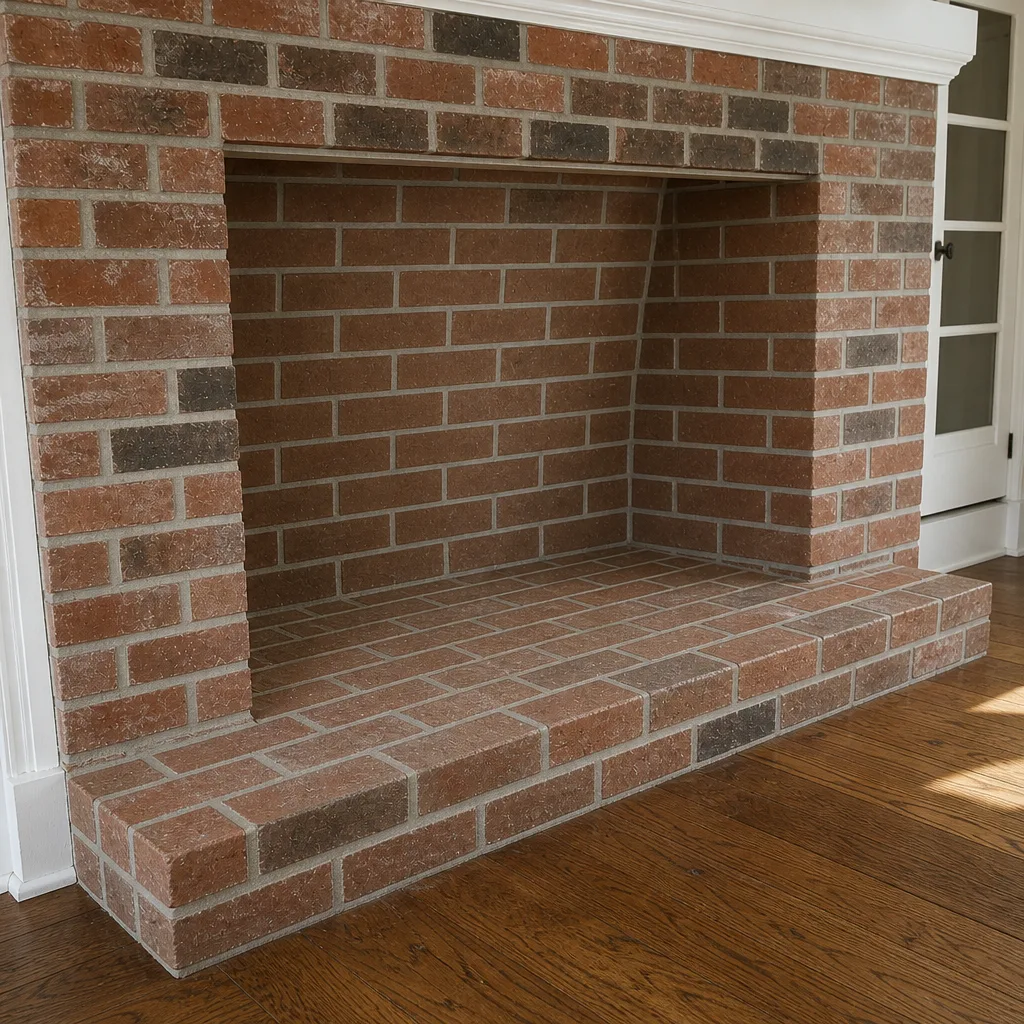
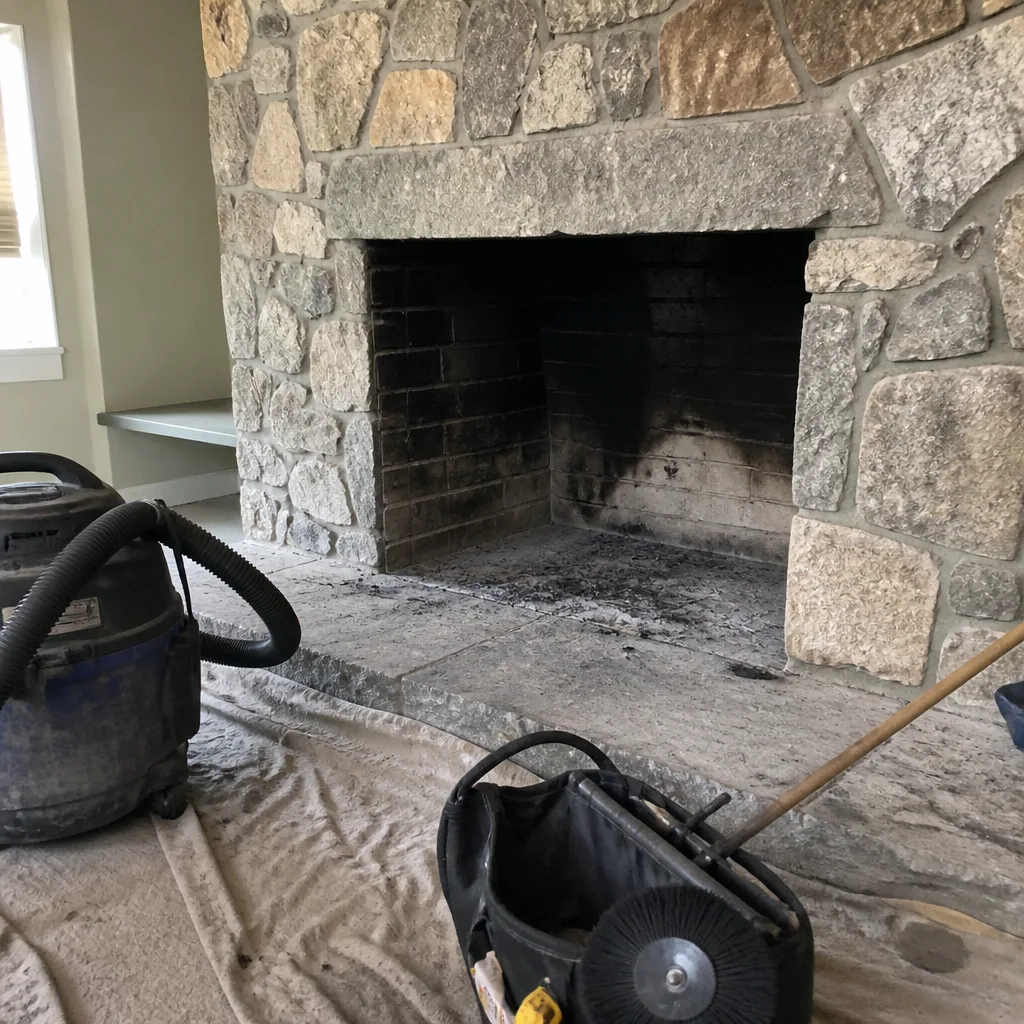
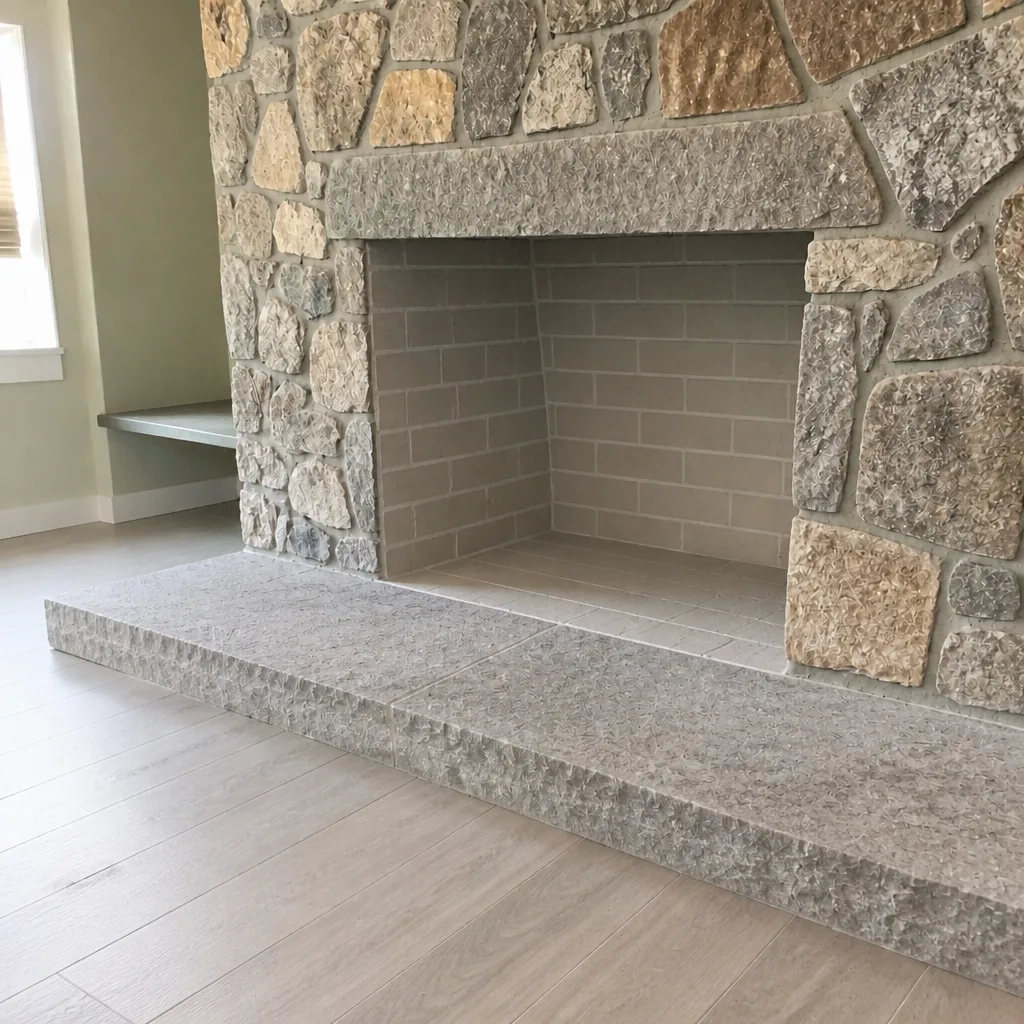
See the difference
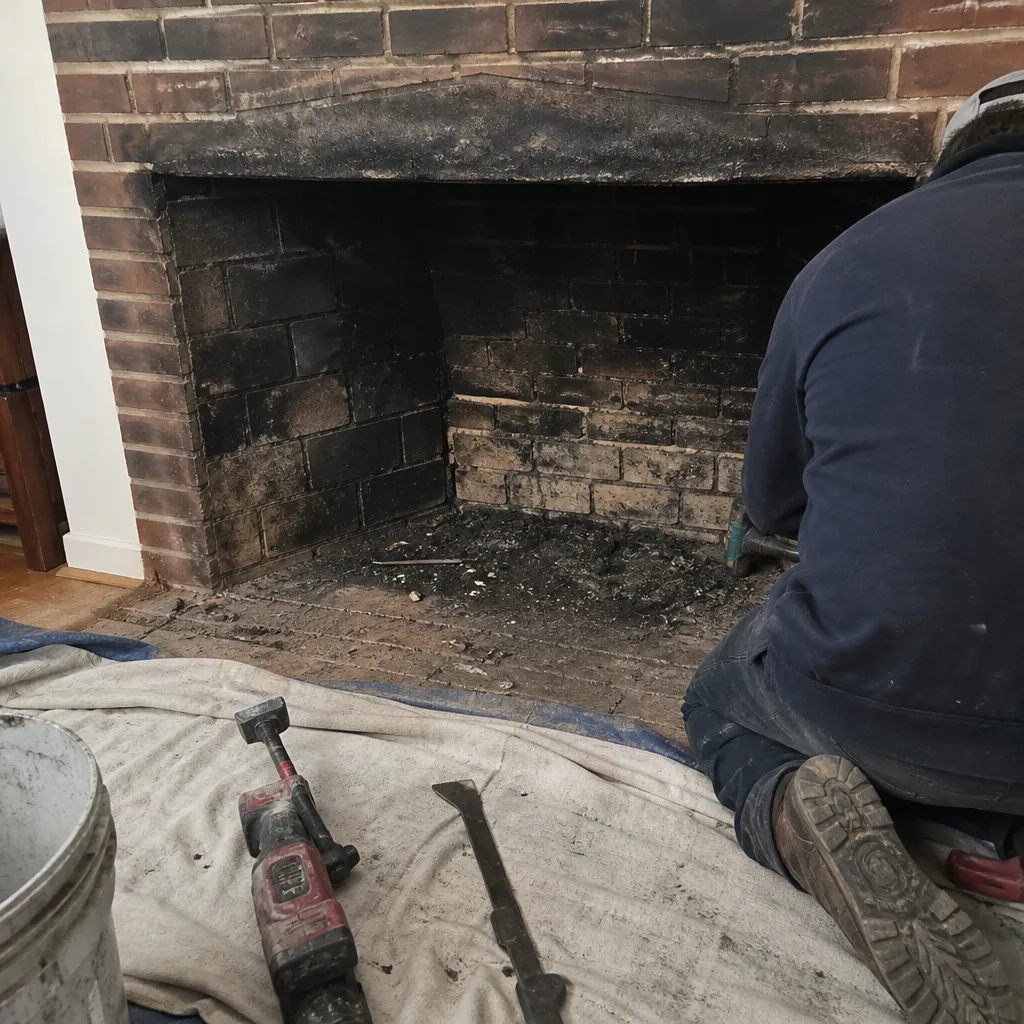 Before
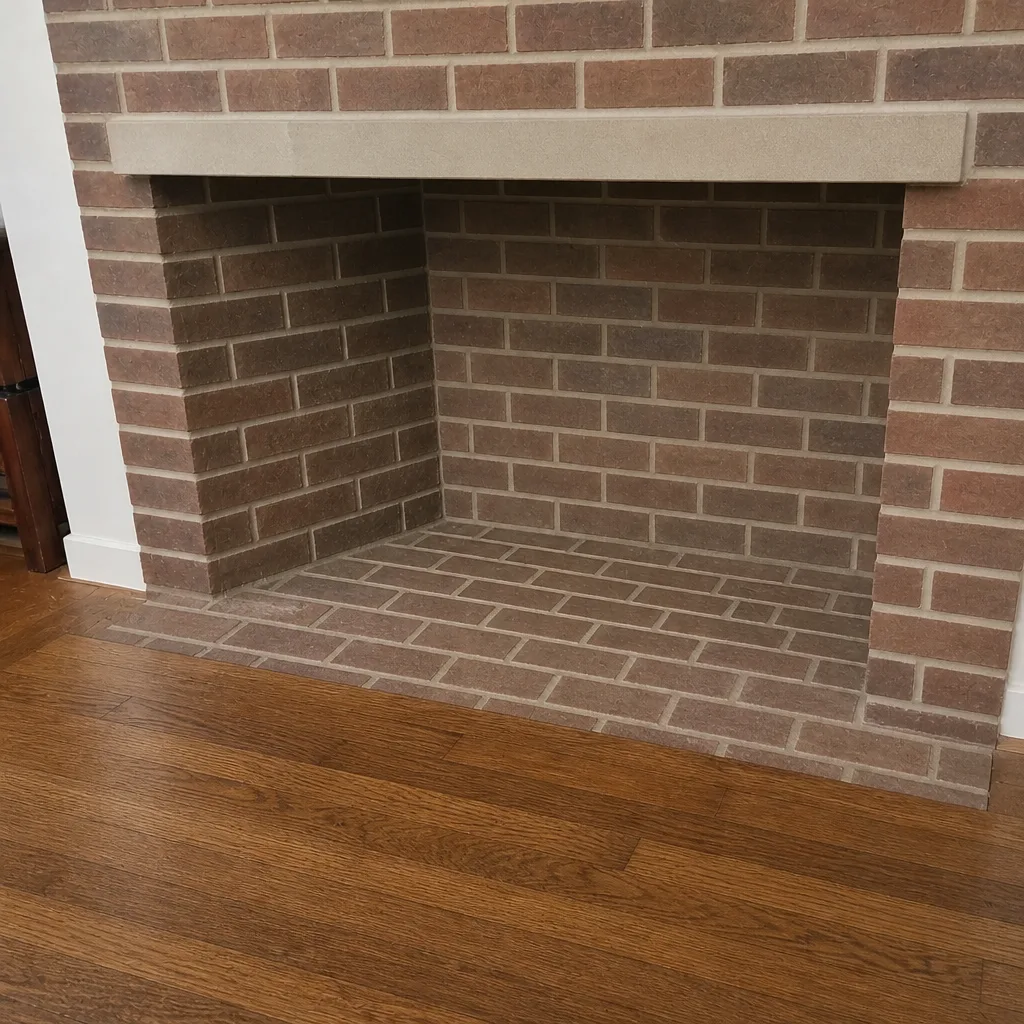 After
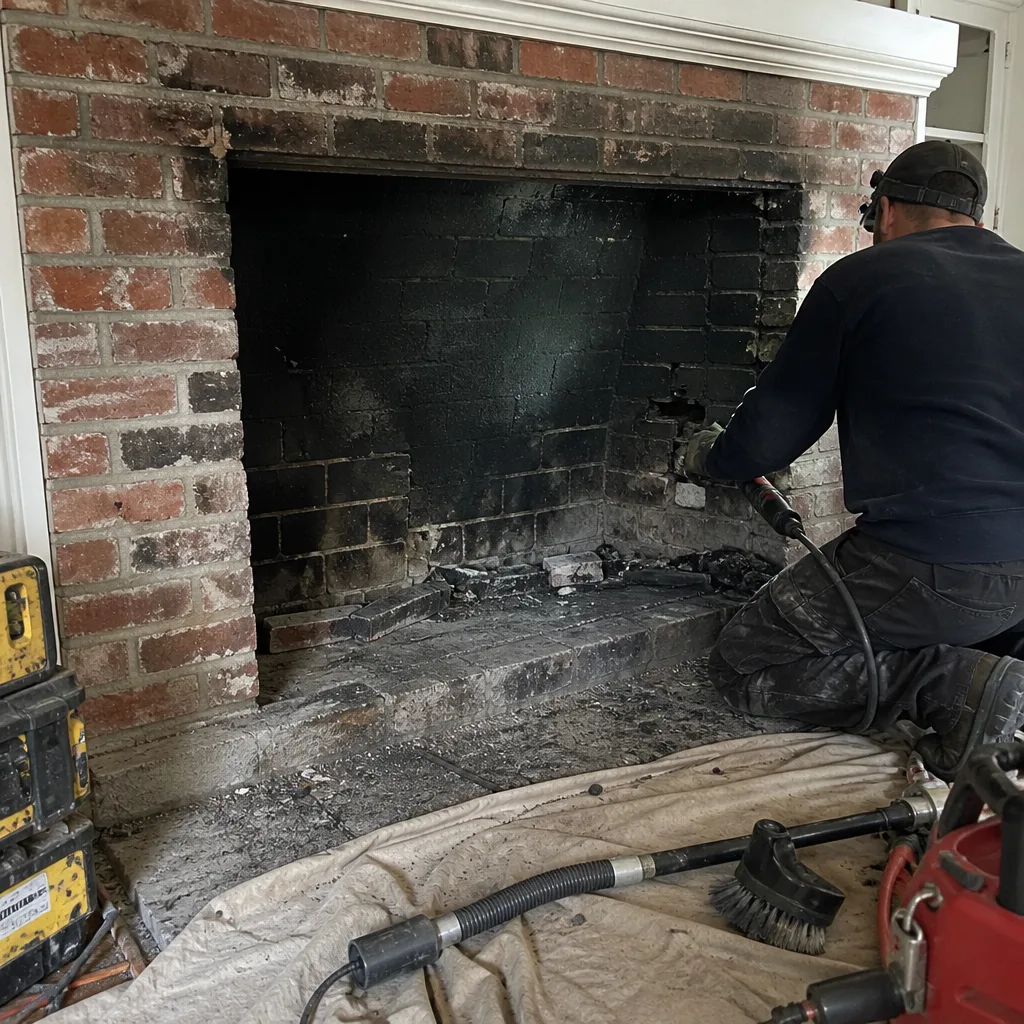 Before
 After
 Before
 After
When to Call a Professional
Call a professional if you’ve never had the chimney inspected, if you don’t know the last time it was swept, or if you’ve noticed smoke rolling back into the room, a stronger-than-usual smell, or faster soot buildup than in past seasons. Call if your cap or crown looks damaged from the ground, if you’re seeing water stains near the chimney, or if your carbon monoxide alarm has gone off (that’s your gas utility or 911 first, then a chimney professional). Call if you’ve just bought a home in Sun Valley and have no service history for the chimney. And call before the burn season rather than during it, so any repair can be done without rush. Chimney Sweep Sun Valley offers free estimates in Sun Valley. Call (855) 710-2744. We answer 24/7. Fast dispatch from 7am to 7pm, Sunday through Friday.
Frequently Asked Questions
Most Sun Valley homes that burn regularly should have the chimney swept and inspected once a year, at the end of summer or beginning of fall, before the burn season. Homes that burn a lot, or that have had a heavy smoke year from regional fires, may benefit from a mid-season check. The right interval depends on how much you actually burn and what the flue looks like inside. Call (855) 710-2744 for an exact quote on a sweep and inspection – estimates are free.
Not necessarily. A damaged liner needs repair, and sometimes that means relining with a professional-grade system like DuraFlex, but a lot of liners can be restored with HeatShield ceramic resurfacing instead of a full replacement. The decision should come from what the camera inspection shows, not from a guess. Ask to see the photos and ask what the structure will actually tolerate. If it can be repaired without relining, you should hear that. Call (855) 710-2744 to talk through what your flue needs.
Sweeping before the first fire clears the flue and puts any repair on the schedule before you burn, instead of after. The pre-season inspection is also more accurate on a clean flue, and it gives you time to fix a cracked crown or worn cap before the season starts. A post-season sweep is fine as a backup, but it doesn’t help you go into the season clean. Book the pre-season visit at (855) 710-2744 – estimates are free.
Creosote and soot build up in the flue, and in a Sun Valley summer that leftover creosote hardens and glazes. The next season, it’s harder to brush out and a small crack in the crown has had a whole summer to get worse. Skipping the sweep doesn’t mean a fire, but it does mean you’re burning on a flue you haven’t had checked. The fix gets bigger and costlier the longer it waits. Call (855) 710-2744 for a precise estimate.
Regional wildfire smoke can carry fine ash into the flue through the cap, even when the fireplace isn’t in use. It won’t usually cause damage on its own, but it does mean the flue takes on more than your own burning, and it’s worth a check before the next season. A brief camera inspection after a heavy-smoke year is the practical response. Call (855) 710-2744 to book a sweep and inspection.
Look at the chimney from the ground with binoculars. A crown with visible cracks, a crumbling edge, or a cap that’s loose, bent, or missing is a sign to have it looked at. Water stains on the ceiling near the chimney or dampness in the firebox area point the same way. Caps and crowns are the chimney’s first defense against water damage, so the sooner they’re fixed, the less structural repair follows. Call (855) 710-2744 for a free estimate on cap and crown repair.
The Bottom Line
The seasonal rhythm that works in Sun Valley is different from a national guide’s. Sweep and inspect before the first fire, not after the season. Watch the flue during the active burn months and act on smoke, smell, or soot signs early. Document the chimney at the end of the season, so the next visit has something real to work from. Treat the summer off-season as exposure, not protection – a closed damper doesn’t stop heat, moisture, or debris. And fold smoke events into the record. Done as a loop, this routine keeps a Sun Valley chimney in good shape season after season, and it makes a professional visit cheaper because the technician is starting from a clean, documented starting point, not from zero. Call (855) 710-2744 for a free estimate. We answer 24/7. Fast dispatch from 7am to 7pm, Sunday through Friday.
Written by the team at Chimney Sweep Sun Valley.