
Last updated November 22, 2026
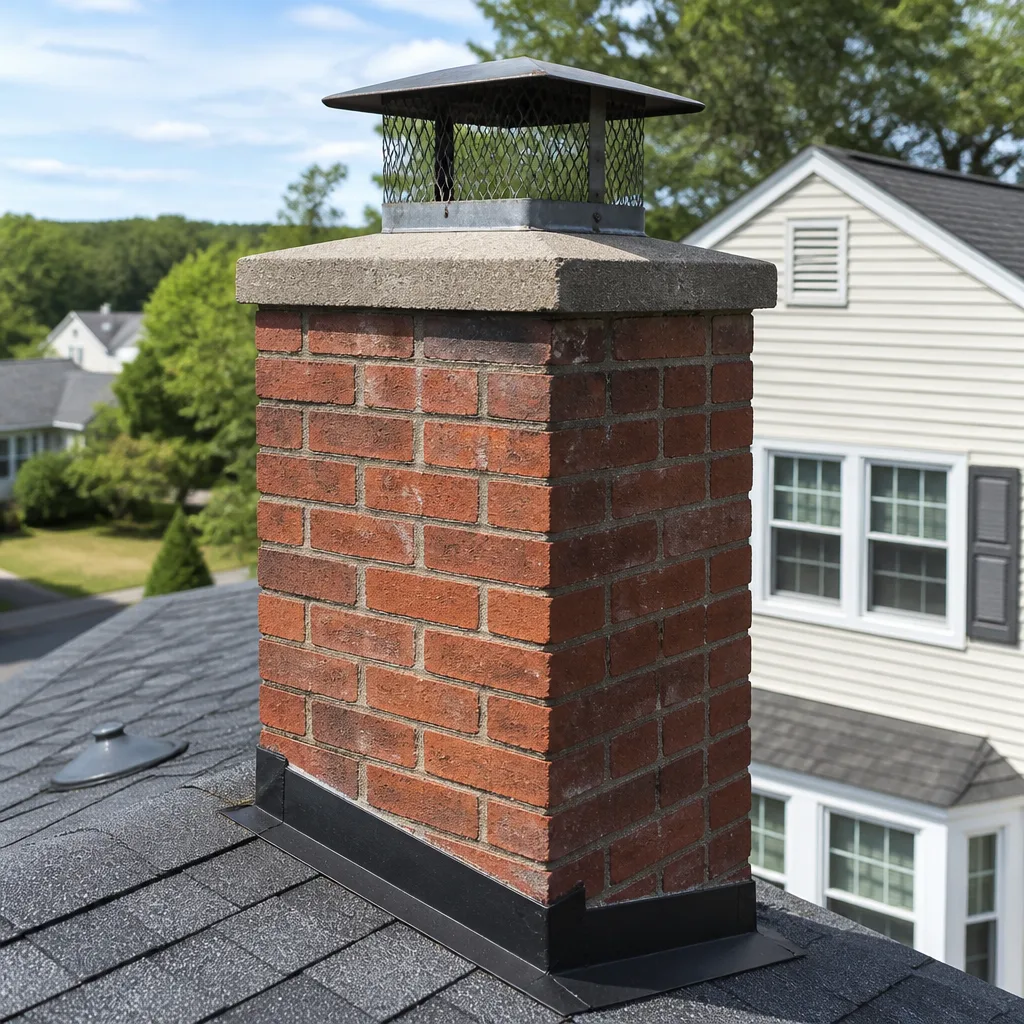 Sweep & inspection
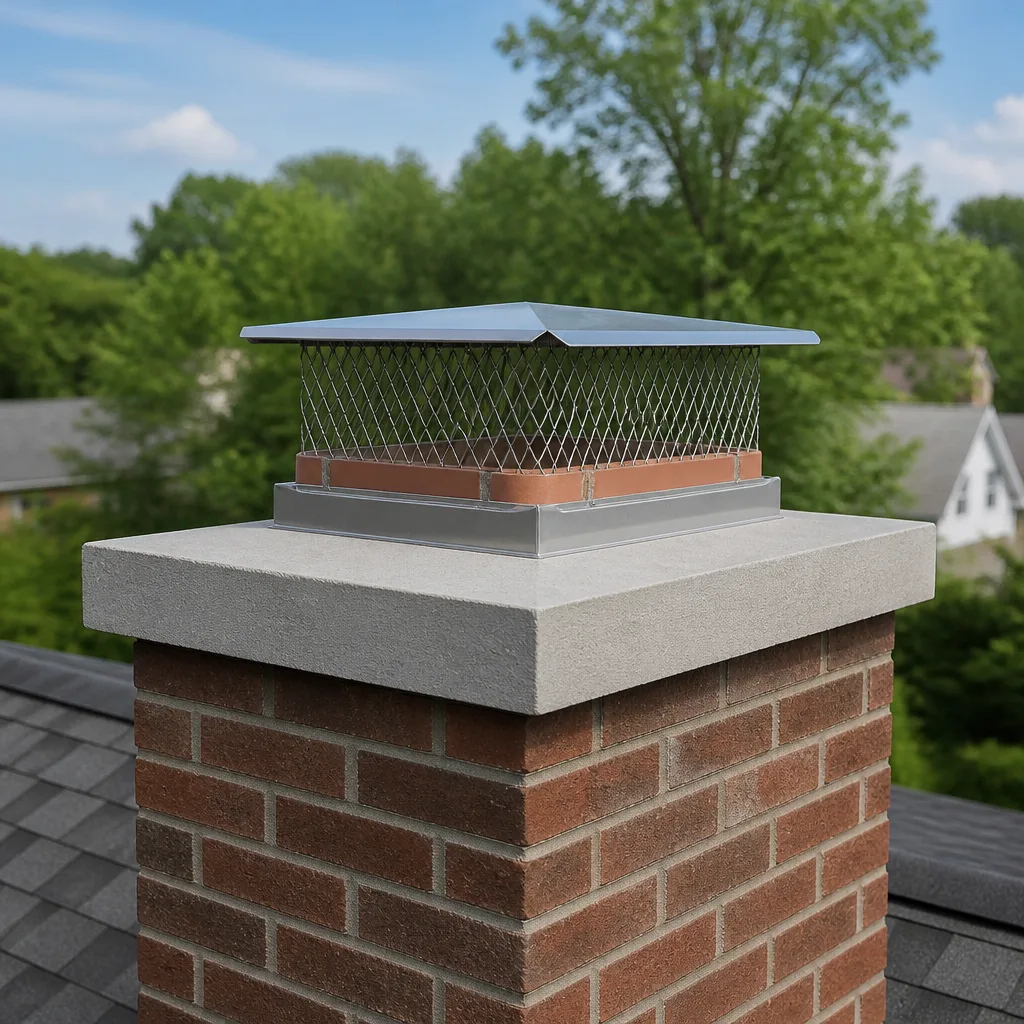 Caps & crowns
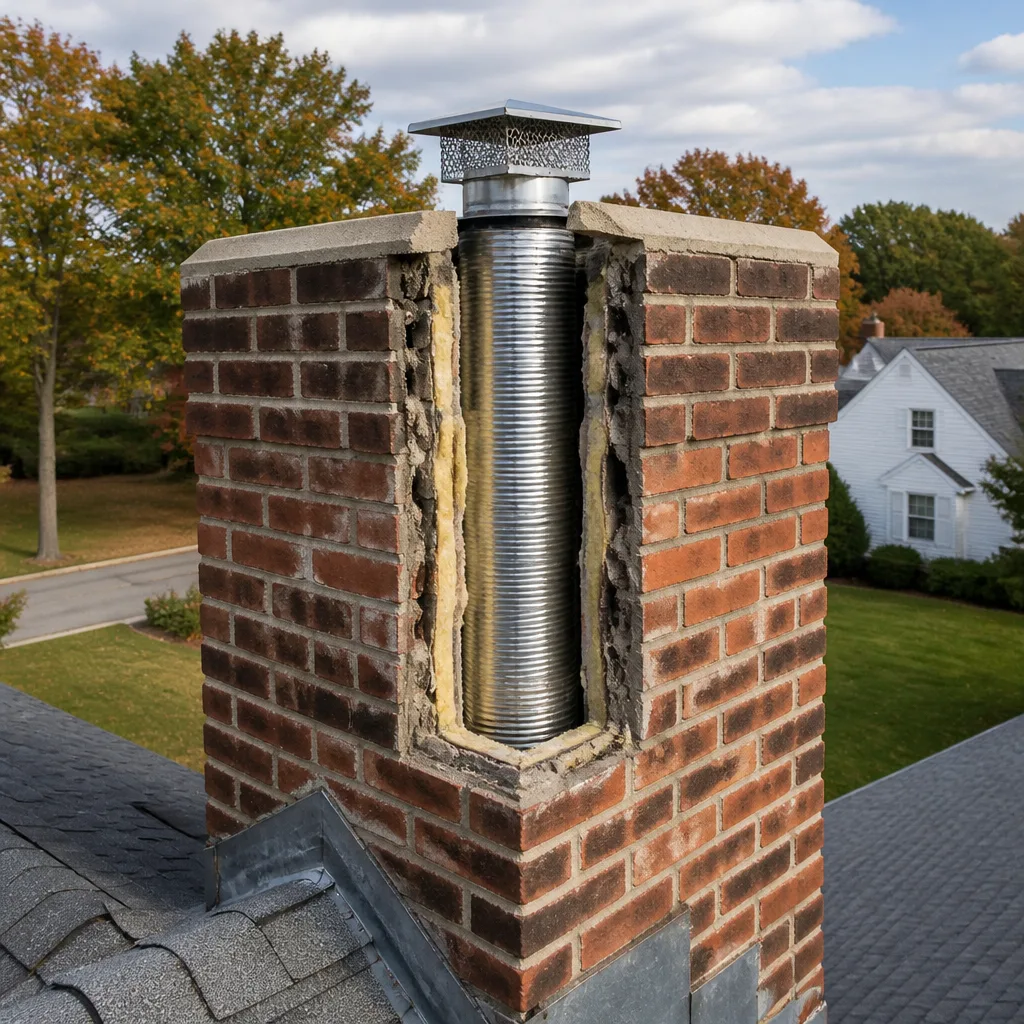 Flue relining
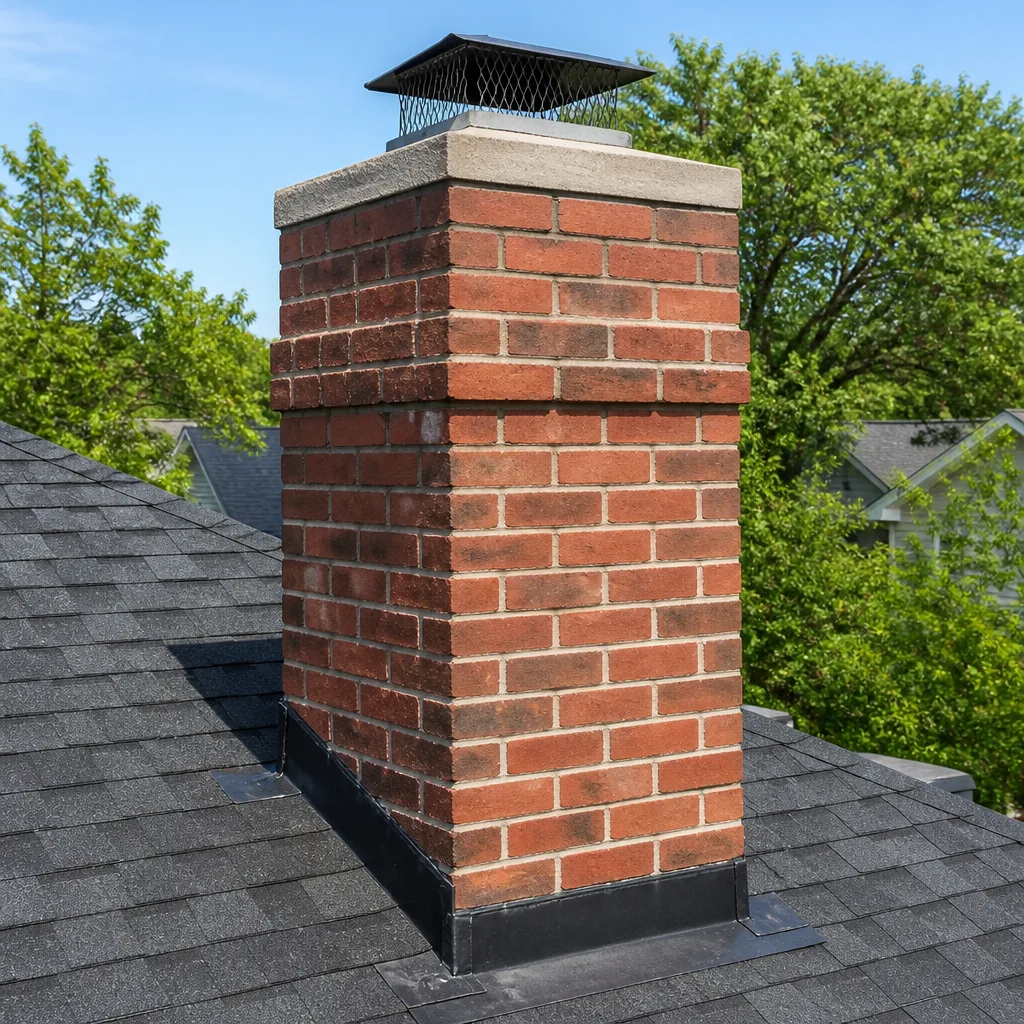 Masonry repair
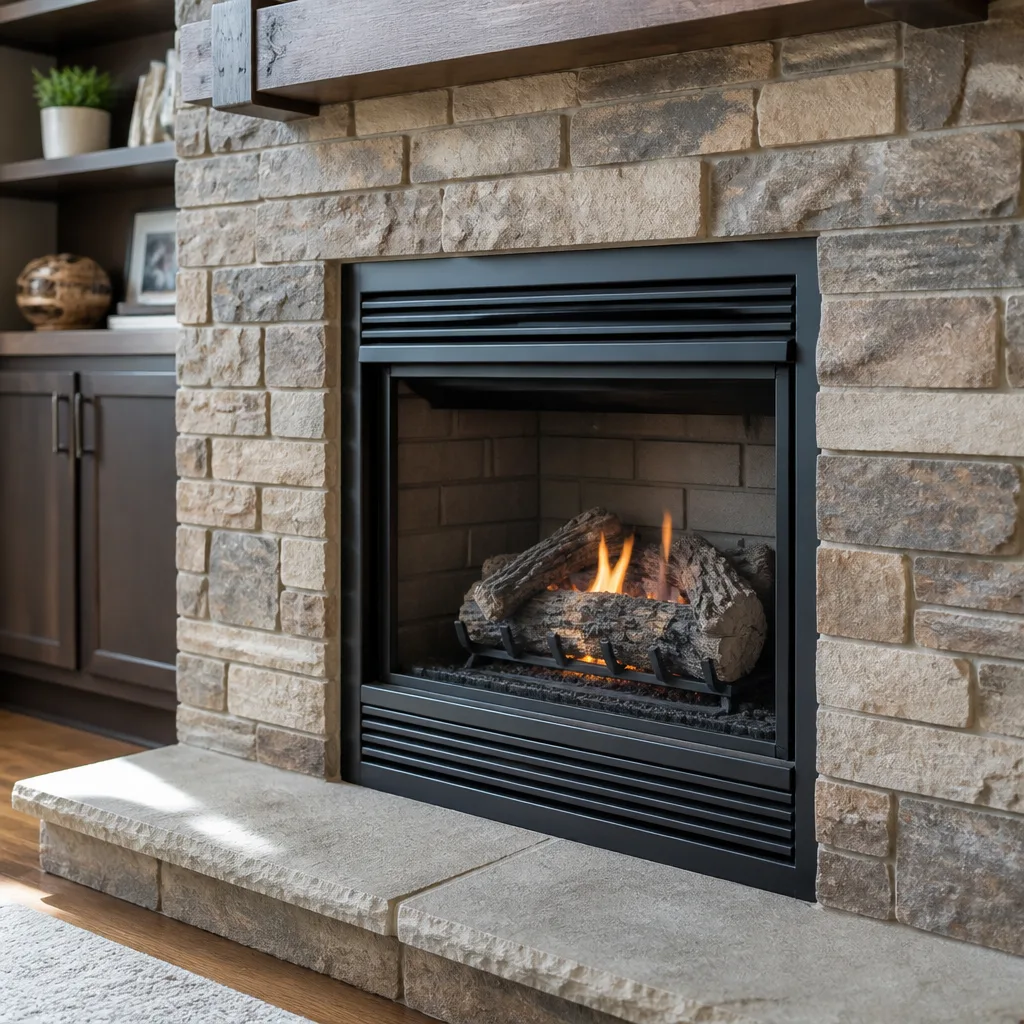 Gas fireplace service
Level 1 sweep and inspection to the NFPA 211 annual standard - flue, crown, cap, and flashing checked and photographed
Chimney sweep logs do not sweep chimneys. They loosen some creosote - which then falls where a brush and vacuum still have to collect it.
Chimney Cleaning Cost Breakdown: The Sun Valley Homeowner’s Reference for 2026
The $79 chimney sweep special and the $450 quote from a certified specialist aren’t for the same job. One is a brush-and-vacuum pass on a single flue with light soot. The other often includes a camera inspection, a written condition report, and a conversation about what your flue liner actually looks like inside. Neither price is dishonest on its own. The problem is that both get advertised as “chimney cleaning,” and homeowners in Sun Valley are left trying to compare them as if they’re the same thing. This guide breaks down every variable that pushes a cleaning quote up or down in Sun Valley, from fireplace type to flue height to what the inspection reveals, so the next estimate you read makes sense line by line.
Quick Answer
A standard chimney cleaning in Sun Valley in 2026 typically runs $189 to $349 for a single masonry fireplace with light to moderate creosote, and $349 to $599 once you add a second flue or heavy buildup. Inspection levels, repair add-ons, and access challenges each carry their own line items. The written estimate you receive sets the final price, and nothing above the base sweep should appear on it without a reason you can see for yourself.
Styles & brands we work with
- Sweep & inspection
- Caps & crowns
- Flue relining
- Masonry repair
- Gas fireplace service
Table of Contents
- What does a basic chimney cleaning cost in Sun Valley in 2026?
- What drives the price above the base rate?
- How much do Level 1, 2, and 3 inspections cost, and what’s in each?
- What do common repair add-ons cost, and what’s reasonable?
- How do you read a chimney cleaning quote line by line?
- How does creosote buildup change the price?
- Does a two-story chase or roofline access raise the cost?
- When should you book a cleaning in Sun Valley?
- Common mistakes to avoid
- When to call a professional
- Frequently asked questions
What does a basic chimney cleaning cost in Sun Valley in 2026?
Base sweep pricing in Sun Valley depends first on what kind of fireplace or stove you have, not on how fancy the neighborhood sounds. A masonry wood-burning fireplace is the most common setup in the valley’s older homes, and it’s also the most straightforward to clean, assuming the flue is intact. Prefab factory-built fireplaces, gas inserts, and pellet stoves each carry different labor, different tooling, and sometimes different inspection requirements. Here’s how the ranges break down for 2026:
- Masonry wood-burning fireplace (single flue): $189 to $299 typical for a standard sweep with light to moderate creosote.
- Prefab factory-built fireplace: $219 to $329. The flue is often narrower and the firebox components are more delicate, so it takes a lighter touch and more time.
- Gas insert or gas log set: $149 to $249. Gas appliances don’t produce creosote the way wood does, but they still collect dust, debris, and nesting material, and the burners and venting need checking.
- Pellet stove: $199 to $329. Pellet stoves need the flue and the stove body cleaned, and the venting configuration can add time.
Those ranges assume reasonable access, a single flue, and a chimney that hasn’t been neglected for a decade. Add a second fireplace on the same chimney and you’re typically looking at 40 to 60 percent more, since each flue gets its own full sweep and inspection. In Sun Valley, where a lot of homes have one main fireplace and maybe a secondary one in a den or converted room, this is worth asking about up front rather than discovering it mid-quote.
A sweep is the starting point. An inspection tells you what your flue actually needs, and the two aren’t automatically bundled. Ask any company you’re considering whether the inspection is included, whether it’s visual or camera-based, and whether you get a written report. Those three questions alone separate a professional sweep from a quick pass with a brush.
What drives the price above the base rate?
Four variables account for most of the gap between the low end of a cleaning quote and the high end. None of them are arbitrary. Each one represents real time, real equipment, or real risk on the job.
- Flue height and roof access. A single-story ranch with a low roof is a quick setup. A two-story home with a steep pitch, or a chimney that requires walking a roofline to reach, adds time and requires more careful safety setup. Expect $50 to $150 added for difficult access.
- Degree of creosote buildup. Light, flaky soot brushes out fast. Glazed, tar-like creosote that’s baked onto the flue walls takes chemical treatment, repeated passes, and much longer. That can push a sweep into the $400 to $599 range on its own.
- Number of fireplaces or flues. Each additional flue gets its own sweep, its own inspection, and its own report. Two flues is not double the price, but it’s meaningfully more than one.
- Odor, animal debris, or heavy soot in the firebox and smoke chamber. A chimney that’s hosted birds or squirrels for a season needs more than a brush. Debris removal, sanitizing, and smoke chamber cleaning add line items.
We’ve seen plenty of quotes in Sun Valley where the base rate looked low and the add-ons told the real story. That’s not automatically a red flag. A $149 base with a $120 heavy-creosote charge is honest if the buildup is genuinely heavy. What matters is that each add-on is explained and, ideally, shown to you. If a company can’t tell you why a line item is on the quote, it shouldn’t be on the quote.
How much do Level 1, 2, and 3 inspections cost, and what’s in each?
Chimney inspections are classified in three levels, and the level determines the labor, the equipment, and the price. Most homeowners only ever need Level 1 or Level 2. Here’s what each one actually includes:
- Level 1 inspection ($75 to $150, often bundled with a sweep): A visual check of all readily accessible portions of the chimney and connected appliance, with the firebox and damper examined. No camera, no disassembly. This is the right level when you’ve been using the fireplace regularly and nothing has changed since the last inspection.
- Level 2 inspection ($175 to $350): Everything in Level 1 plus a video camera scan of the flue interior, inspection of accessible attic and crawlspace areas where the chimney passes through, and a written report with photos. This is required after a chimney fire, when you’ve changed fuel types or appliances, when a property changes hands, or when the flue has never been scoped. For most Sun Valley homes that have never had a camera inspection, this is the level worth asking for.
- Level 3 inspection ($400 and up): Everything in Level 2 plus targeted removal of building components, such as opening a wall or removing a section of masonry, to access a concealed problem. This only happens when a Level 2 reveals something that can’t be assessed any other way.
The camera inspection is the part that matters most for homeowners who are worried about being sold work they don’t need. A photo of the inside of your own flue, showing the actual condition of the liner, is not something you can argue with. It’s also the reason the cost of a Level 2 is worth paying once. Nothing gets recommended on the strength of a verbal description alone.
When the camera comes out, it usually confirms the flue is fine and the sweep is all you needed. When it doesn’t, you get to see the problem on the screen before anyone talks about repair options.
What do common repair add-ons cost, and what’s reasonable?
Add-on pricing is where quotes swing the most, and where it helps to know the reasonable range. Here’s a 2026 reference for the common add-ons a chimney sweep might propose for a Sun Valley home, with what’s reasonable and what tends to signal inflation:
- Crown repair: $250 to $600 for patching or resurfacing a cracked crown; $600 to $1,200 for a full crown rebuild. Reasonable if the crown is visibly cracked or has separated from the flue. Inflated if it’s proposed as preventive without a visible defect.
- Damper replacement: $300 to $700 for a top-sealing damper; $200 to $450 for a throat damper replacement. Request the make and model. Top-sealing dampers are a genuine upgrade, but the price should reflect a specific product.
- Smoke chamber parging: $400 to $900, depending on access. This smooths the transition above the damper where creosote accumulates in rough mortar joints. Reasonable when the smoke chamber is visibly rough or heavily glazed.
- Liner repair with HeatShield: $1,200 to $2,400 for a HeatShield ceramic resurfacing when the liner structure allows it. This is a repair-rather-than-replace path that restores a deteriorated flue interior without full relining. It’s not right for every flue, but when the structure is sound, it saves real money compared to a full liner job.
- Full relining with DuraFlex: $2,800 to $5,500, depending on flue length and configuration. This is the professional-grade flexible liner standard. If a company is quoting relining, ask whether HeatShield resurfacing was evaluated first. If it wasn’t, you’re being quoted the most expensive option.
- Chimney cap installation: $250 to $550 for a purpose-built stainless cap, such as a Gelco or Famco model. A cap is your first defense against water and animal intrusion. Quotes above $700 for a standard cap are worth questioning.
None of these add-ons belong on a quote unless the inspection supports them. A sweep who recommends a full reline without a camera inspection and a written report hasn’t done the diagnostic work that justifies the price. Ask to see the footage. The professional who can show you the problem is the one you can trust with the fix.
For the structural side of the system, our chimney cap & crown work is often the cheapest repair that prevents the most expensive damage. Water getting into a cracked crown is a slow, quiet way for a chimney to fail.
How do you read a chimney cleaning quote line by line?
A well-built chimney cleaning quote reads like a list of tasks, not a list of concerns. Each line item should name a specific piece of work, a specific price, and a reason it’s being done. Here’s how to walk through one:
- Start with the base sweep. One line, one price, one fireplace or flue. If the base sweep is quoted at a rock-bottom number and the rest of the quote is stacked with add-ons, ask why those weren’t part of the base.
- Look for the inspection line. It should say which level and whether a camera and written report are included. “Inspection” without a level is a line item without a definition.
- Check each repair add-on against the inspection findings. If the inspection report shows a cracked crown, the crown repair line is legitimate. If the report shows a missing cap, the crown repair line needs explaining.
- Watch for vague line items. “Chimney treatment,” “flue conditioning,” and “system cleaning” without detail are padding. Legitimate line items name the actual work: creosote removal, cap installation, damper replacement.
- Ask what’s not on the quote. A professional will tell you what can safely wait. If everything is urgent, you’re talking to a sales pitch instead of a service estimate.
- Confirm the total and the trigger. The written estimate sets the final price. Make sure you know which items are firm and which are contingent on what the inspection finds.
The single most useful habit is to ask for the inspection report before you agree to any repair. A quote that comes with photos of your own flue is a quote you can evaluate. A quote without them is a quote you have to take on faith, and you shouldn’t have to.
How does creosote buildup change the price?
Creosote is the single biggest driver of cleaning cost above the base rate, and it’s worth understanding why. Creosote forms when wood smoke cools before it leaves the flue, condensing on the flue walls. How much you get, and how hard it becomes, depends on how you burn, what you burn, and how often. There are three degrees, and each one cleans differently:
- First-degree creosote: light, flaky, soot-like. Brushes out quickly. This is what a standard sweep handles, and the base rate applies.
- Second-degree creosote: crusty and brittle, harder to remove. It needs more passes and sometimes a specialized brush. Expect $75 to $150 added to the base sweep.
- Third-degree creosote: glazed, tar-like, and baked hard onto the flue. It can’t be removed with a brush alone. Chemical treatment and multiple passes are required, and the cleaning can take hours. Expect $200 to $300 or more added to the base rate, and understand that glazed creosote is the fuel source for a chimney fire.
Burning dry, seasoned wood and avoiding slow, smoldering fires is the simplest way to keep creosote down. In Sun Valley, where the fire season is shorter than in colder climates, the risk is that an underused fireplace gets cleaned rarely and accumulates glazed creosote in the meantime. A fireplace that gets used a dozen times a year still builds up creosote. It just does it quietly.
If a sweep tells you the creosote is glazed, that’s the moment to ask for a camera inspection and a written report. Glazed creosote needs to be removed, not negotiated with, and it’s the clearest case where skipping the cleaning is a genuine safety concern.
Does a two-story chase or roofline access raise the cost?
Yes, and it’s one of the most honest upcharges on any chimney quote. Access is a real cost, and it varies a lot from home to home. A single-story house with a low, walkable roof is quick and safe to set up. A two-story home with a steep pitch, a chimney on the far side of the ridge, or a roofline that requires fall protection adds time and equipment to every visit.
In Sun Valley, the housing stock runs from mid-century single-story homes to newer two-story builds, and the chimney placement varies with the house. A chimney on a gable end can sometimes be serviced from a ladder with limited roof work. A chimney in the middle of a steep roof is a different job. Expect $50 to $150 for standard two-story access, and more if the chimney is unusually hard to reach safely. That cost is not padding. It’s the price of doing the work without someone getting hurt.
Ask any company how they plan to access your chimney before they quote. If the answer is vague, the access charge will be vague too, and probably on the high side. If the answer is specific, you know what you’re paying for.
When should you book a cleaning in Sun Valley?
The practical answer is before you start burning for the season, not after. A cleaning done before the first fire of the year means the flue is clear when it matters, and any liner problem is caught while there’s still time to fix it without a scramble. The best window is late summer or early fall, before the first cool evenings push everyone to schedule at once.
That said, a yearly cleaning isn’t a universal rule. It’s a baseline for regular users. If you burn a few fires a season, an annual sweep plus a Level 1 inspection is sensible. If you burn heavily, or you’ve had creosote problems before, a cleaning at the start of each season and a mid-season check makes more sense. If you’ve just moved into a Sun Valley home and have no service history for the chimney, book a cleaning plus a Level 2 inspection before the first fire. You don’t know what the last owner left behind.
For anyone who wants the routine side handled first, a professional chimney sweep is the starting point, and the inspection follows from what the sweep turns up. If the fireplace itself needs attention, from a cracked firebox to a damaged damper, that work falls under fireplace repair and is worth pricing separately from the sweep.
Book the sweep, then plan around what the camera finds. Planning on your own timetable is much cheaper than reacting after a flue problem shows up.
Common Mistakes to Avoid
- Comparing a base rate to a full-service quote. A $79 special and a $349 cleaning can both be honest, but only if you know what each includes. Ask what the price covers before you compare.
- Skipping the camera inspection because the sweep seemed fine. A visual sweep doesn’t see the flue interior. If your Sun Valley home has never had a Level 2 inspection, you’re making decisions without the part of the picture that matters most.
- Approving repair work without seeing the evidence. Any add-on, from crown repair to relining, should come with photos or video of your own chimney. If the company can’t show you the problem, don’t authorize the fix.
- Letting a cracked crown sit through the rainy season. Water intrusion is the quiet killer of chimneys. A crown repair priced today is a fraction of the structural repair cost later.
- Hiring a pressure-washing company that added chimney work to its menu. Chimney work is a specialist trade. The tools, the materials, and the knowledge are specific, and generalists tend to be vague about all three.
- Believing every quote you get. The high quote isn’t automatically the honest one, and the low quote isn’t automatically a scam. The quote with photos, a written report, and line items you can understand is the one worth taking seriously.
- Burning unseasoned wood to save money. Wet wood burns cool and builds creosote faster, which can double your next cleaning cost. The savings on cheap wood show up as a bigger sweep bill.
Most of these mistakes come down to the same root: not knowing what’s normal, so not knowing what to question. A written report and a camera inspection solve most of that.
When to Call a Professional
Call a professional before your next fire if you can’t remember the last time the chimney was cleaned. Call if you’re seeing black, tar-like buildup on the flue walls, if the firebox has a strong smoke smell when you’re not burning, or if smoke rolls back into the room instead of going up. Call after any chimney fire, even a small one, because the flue liner can be damaged in ways you can’t see. Call before you buy a home with a chimney, and call before you switch fuel types, such as moving from wood to a gas insert. And call if you’ve never had the flue looked at with a camera, because the visual look is only half the story.
Chimney Sweep Sun Valley offers free estimates in Sun Valley. Call (855) 710-2744. We answer 24/7. Fast dispatch from 7am to 7pm, Sunday through Friday.
Frequently Asked Questions
A standard chimney cleaning in Sun Valley in 2026 typically runs $189 to $349 for a single masonry fireplace with light to moderate creosote. Prefab, gas, and pellet setups carry their own ranges, and heavy creosote or multiple flues push the price toward $599. The written estimate you receive sets the final price. Call (855) 710-2744 for an exact quote; estimates are free.
A camera inspection is the only way to see the inside of your flue liner, and it’s what separates a guess from a diagnosis. A sweep keeps the flue clear; a Level 2 inspection tells you whether the flue is safe to keep using. If your Sun Valley home has never had a camera inspection, it’s worth doing once. Call (855) 710-2744 to schedule one with a free estimate.
Once a year for a fireplace you use regularly is the standard baseline, with a cleaning before the burning season and an inspection at the same time. Heavy users and anyone with a history of creosote problems should clean more often. If you’ve just moved in and have no service history, book a cleaning and a Level 2 inspection before the first fire. Call (855) 710-2744 for an exact quote.
Creosote accumulates every time you burn, and in its glazed form it’s the fuel that chimney fires burn. Skipping cleanings also means you don’t see liner damage, a cracked crown, or animal debris until it causes a bigger problem. None of that is a reason to panic, but it is a reason to book a sweep before the season. Call (855) 710-2744 for an exact quote; estimates are free.
They’re not the same job. The $149 quote is usually a base sweep with light soot on a single, easy-access flue. The $450 quote often includes a camera inspection, a written report, heavy creosote removal, or difficult access. Compare line items, not totals, and ask what’s included before you decide. Call (855) 710-2744 for an exact quote.
Yes, caps are commonly added to a cleaning visit, and it’s the easiest way to protect the flue from water, debris, and animals going forward. We install purpose-built caps from Gelco and Famco, and the cap is priced as a separate line on the estimate. Nothing is installed unless you approve it first. Call (855) 710-2744 to book a cleaning and a cap quote together.
Often, yes, when the flue structure allows it. HeatShield is a ceramic resurfacing system that restores a deteriorated flue interior without a full reline, and it’s typically $1,200 to $2,400 against $2,800 to $5,500 for full relining with DuraFlex. Whether it’s the right option depends on what the camera shows. Call (855) 710-2744 for a free estimate and an honest read on which path fits your flue.
The Bottom Line
Chimney cleaning pricing in Sun Valley varies for real reasons: fireplace type, flue height and access, creosote severity, the number of flues, and the level of inspection you choose. A low quote and a high quote aren’t necessarily rivals. They may be describing two different jobs. What you can control is which line items you accept, and you should never accept a repair without seeing the evidence behind it. Ask for the camera report, ask what can safely wait, and compare quotes on scope rather than on the bottom line. A written estimate sets the final price, and a chimney you understand is one you can maintain instead of repair.
Chimney Sweep Sun Valley works with the professional-trade materials that chimney specialists specify, including HeatShield ceramic resurfacing and DuraFlex liner systems, alongside caps from Gelco and Famco and components sourced through Olympia Chimney and Copperfield. From the firebox to the crown, we handle the entire system. Our technicians have up to 13 years of experience, and we start every job with the same step: find out what your flue actually needs, and show you.
Ready to know what your chimney needs? Call (855) 710-2744 for a free estimate. We answer 24/7. Fast dispatch from 7am to 7pm, Sunday through Friday. You’ll get a flat-price sweep agreed before booking, a camera inspection and photo report included, and a written estimate that sets the final price. Learn more about how we work at Chimney Sweep Sun Valley.
Written by the team at Chimney Sweep Sun Valley.
See the difference
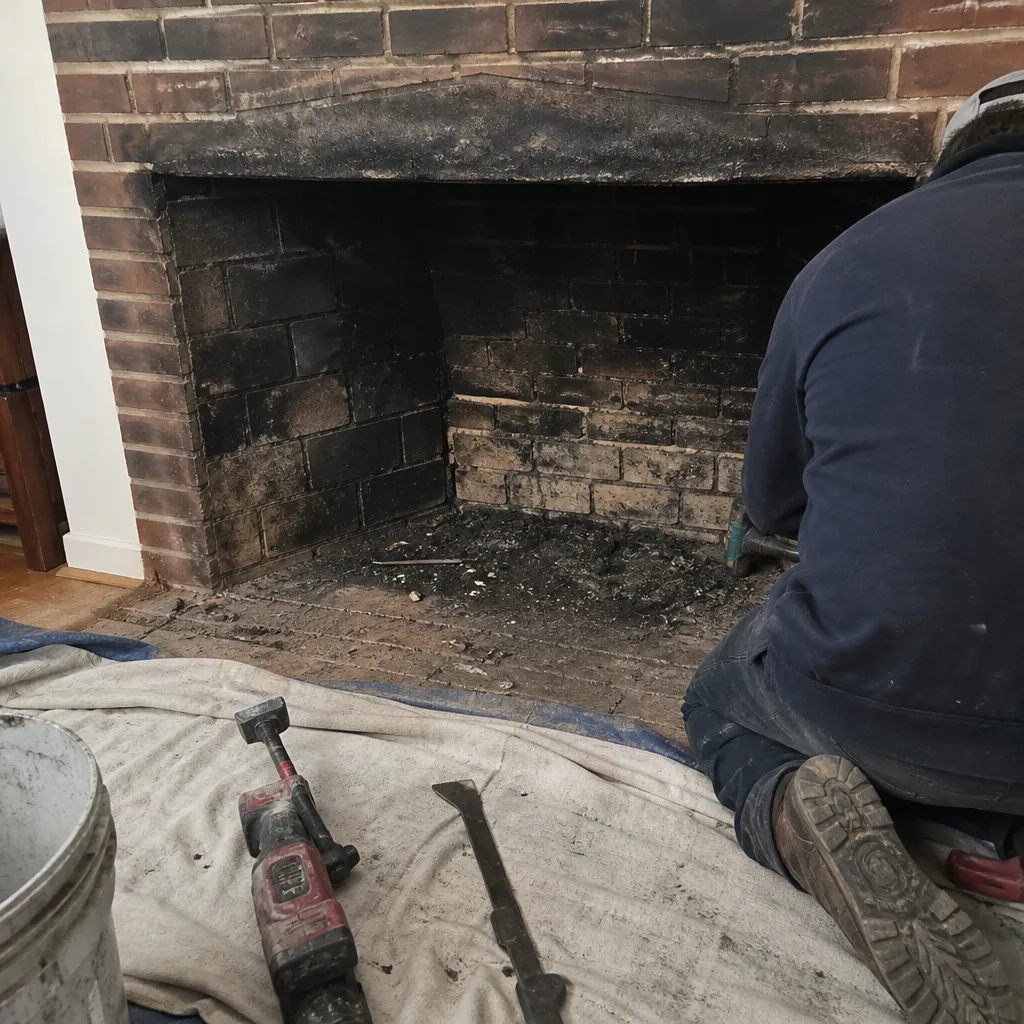 Before
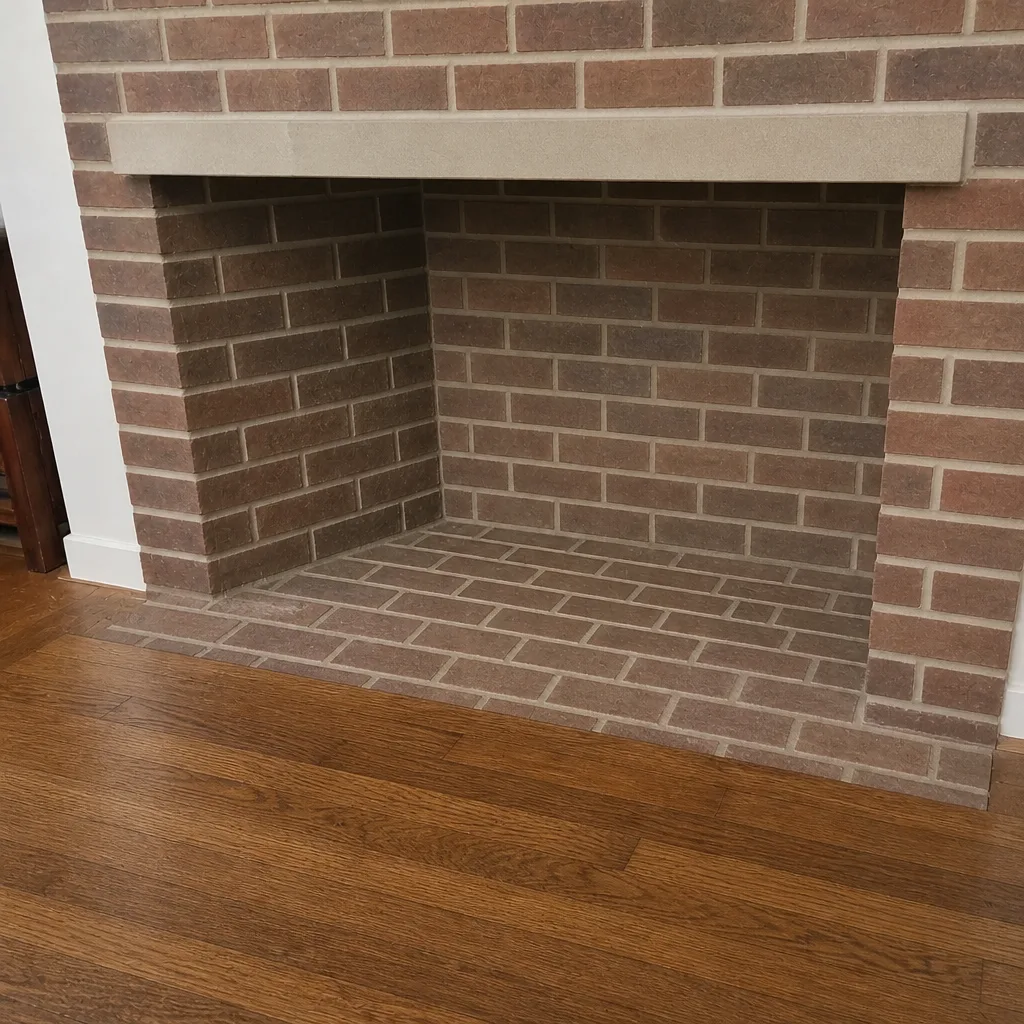 After
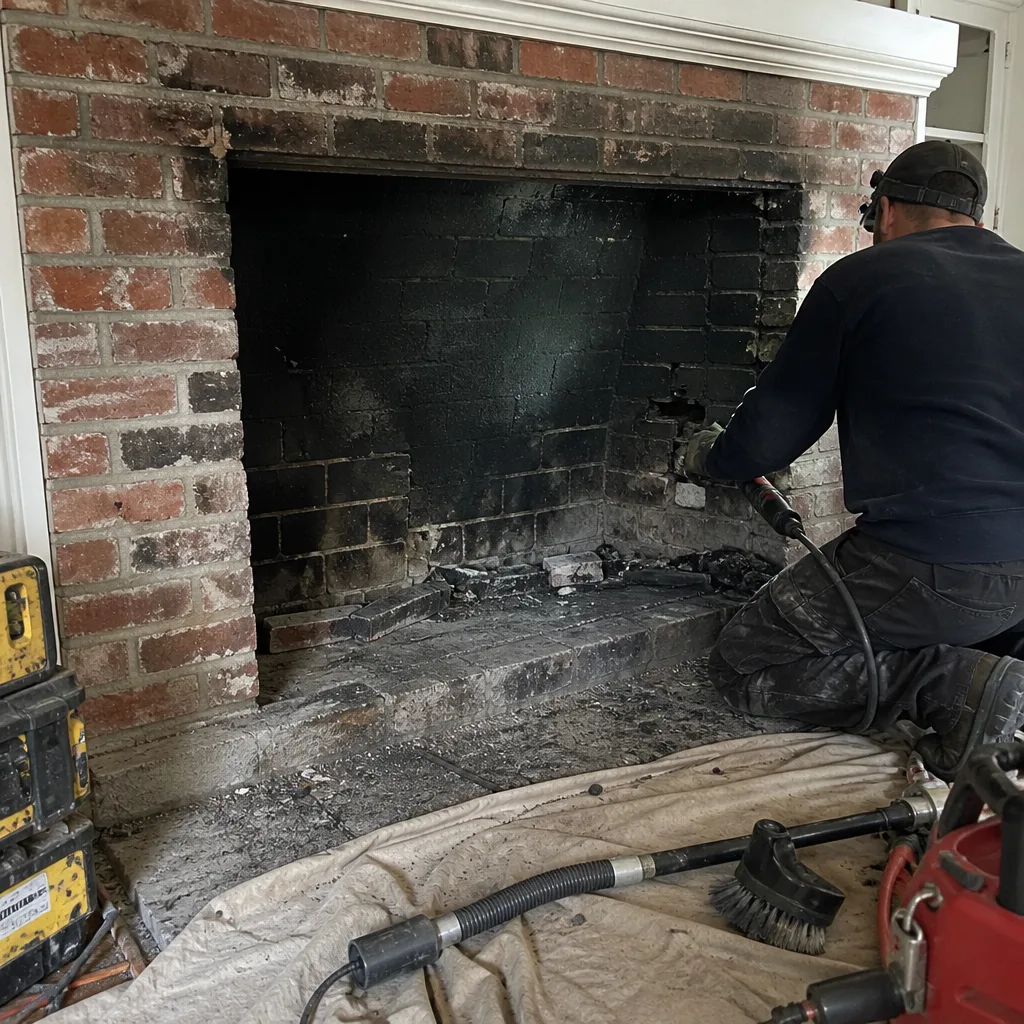 Before
 After
 Before
 After