
Last updated November 22, 2026
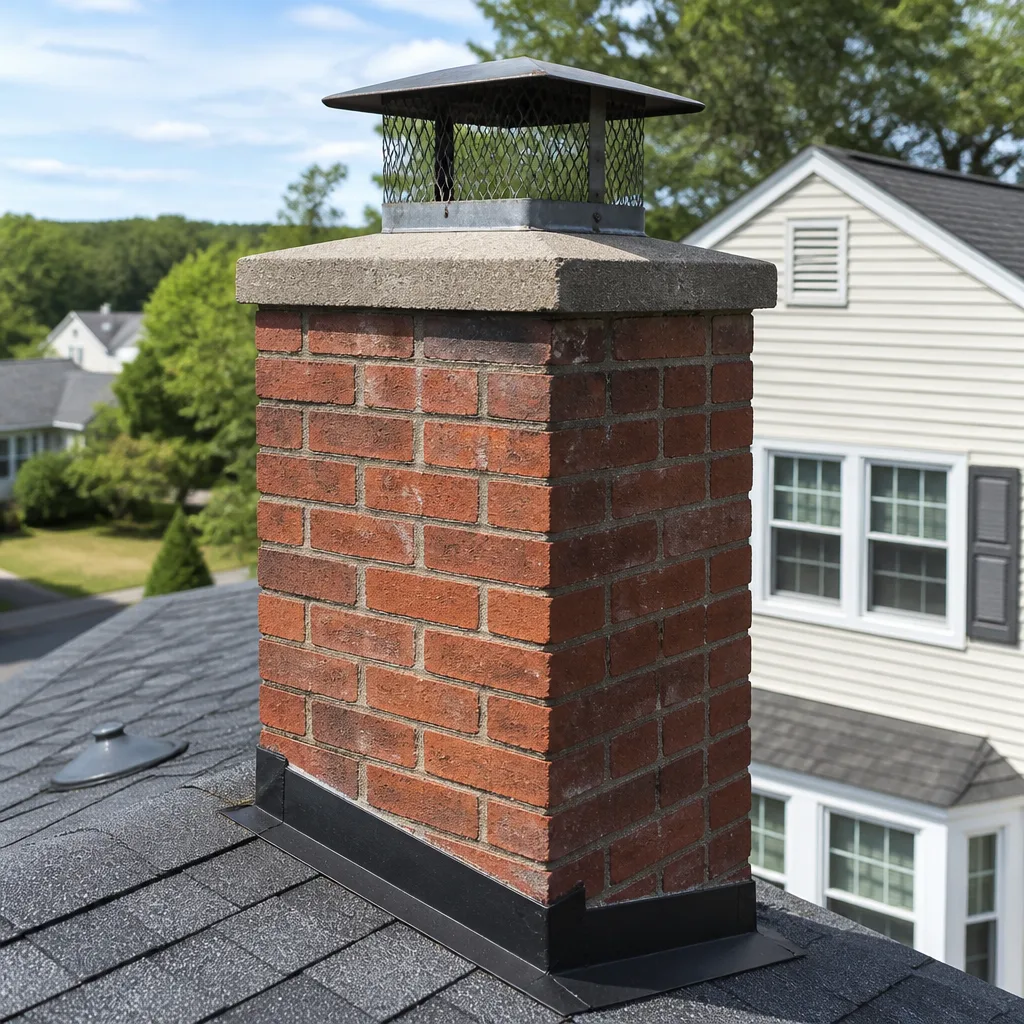 Sweep & inspection
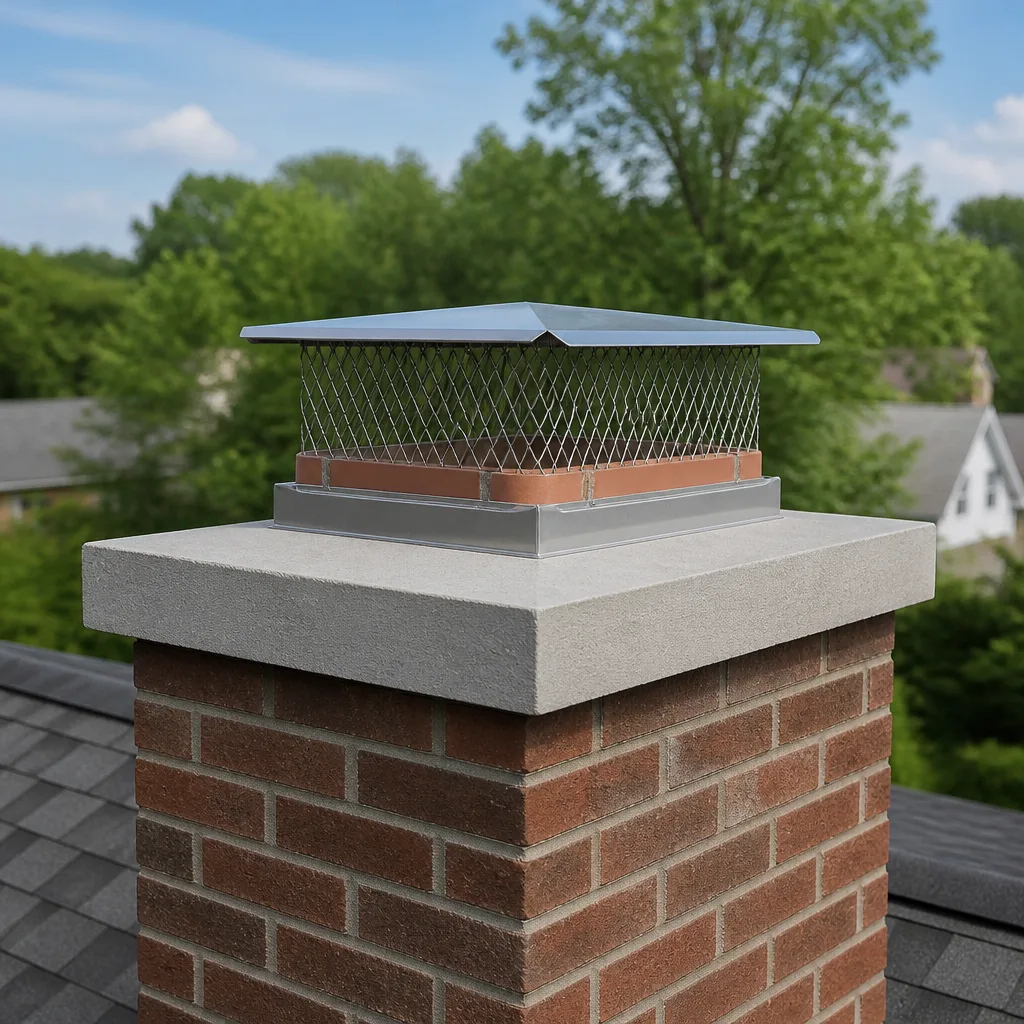 Caps & crowns
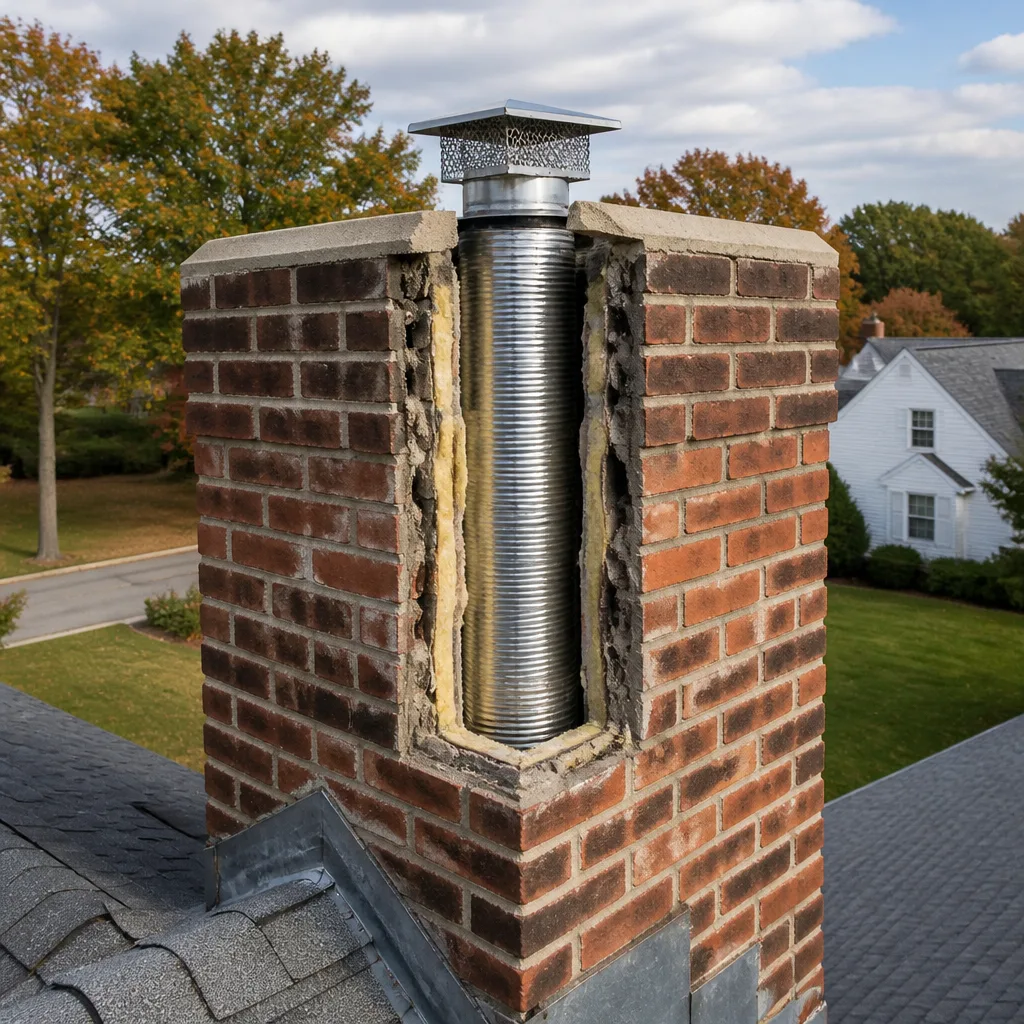 Flue relining
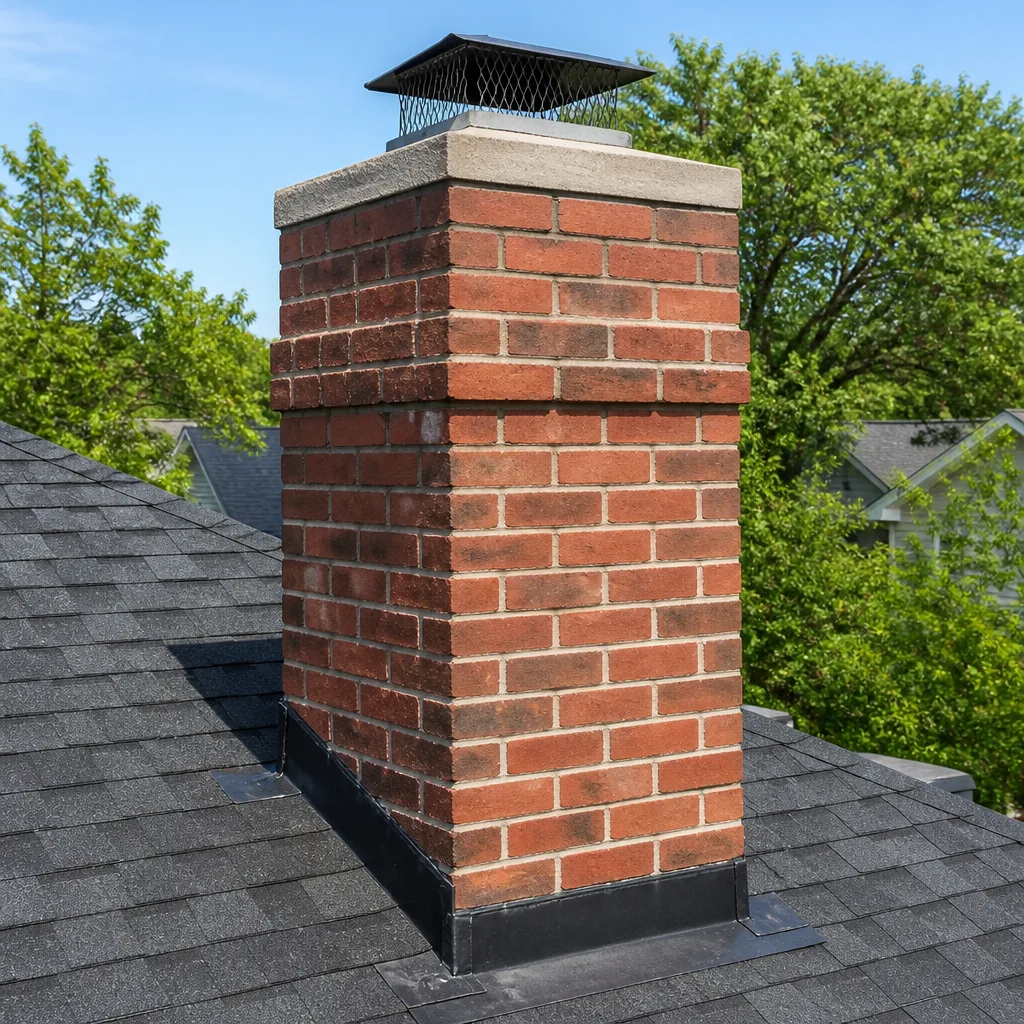 Masonry repair
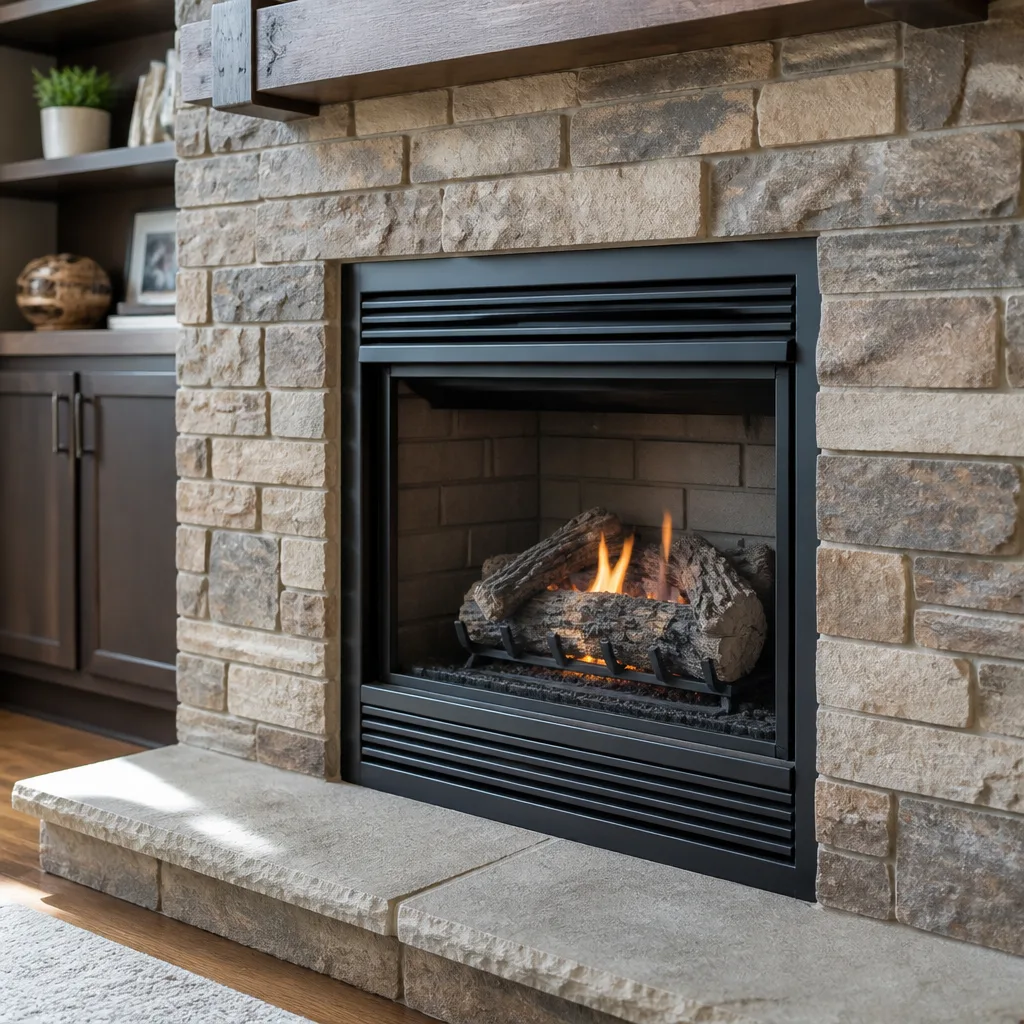 Gas fireplace service
Level 1 sweep and inspection to the NFPA 211 annual standard - flue, crown, cap, and flashing checked and photographed
Chimney sweep logs do not sweep chimneys. They loosen some creosote - which then falls where a brush and vacuum still have to collect it.
DIY vs Professional Chimney Cleaning: The Sun Valley Homeowner’s Decision Guide
You can buy a chimney brush kit online for around $40, run it up the flue a few times, and still have a genuinely dangerous chimney. Here’s why: cleaning and inspecting are two different jobs, and it’s the second one that keeps your house standing. Brushing removes loose soot. It doesn’t tell you whether your flue liner is cracked, whether creosote has glazed into a hard, flammable shell, or whether the crown is quietly letting water into the masonry. This guide walks through exactly what a homeowner can handle, what needs trained eyes and professional equipment, and how to tell the difference. Living in Sun Valley, where fireplace season runs long and the dry air pulls moisture out of masonry as fast as a wet winter puts it in, this is a decision worth getting right.
Quick Answer
Routine soot removal is something a careful homeowner can partly manage, but a professional chimney cleaning in Sun Valley is the only option that combines sweeping with a camera inspection, removes glazed creosote that a brush won’t touch, and confirms your flue is structurally sound. If you’ve had a chimney fire, are buying or selling a home, or the issue goes beyond the flue itself, professional service isn’t optional – it’s the whole point.
Styles & brands we work with
- Sweep & inspection
- Caps & crowns
- Flue relining
- Masonry repair
- Gas fireplace service
Table of Contents
- Cleaning and Inspecting Are Not the Same Job
- What DIY Sweeping Actually Removes – and What It Leaves Behind
- The Tools That Make the Professional Difference
- What You Can Legitimately Do Between Professional Sweeps
- The Liability Math: Insurance After a DIY-Only History
- When Professional Service Is Non-Negotiable
- DIY Cost vs Professional Cost in Sun Valley
- How to Choose a Chimney Specialist in Sun Valley
Cleaning and Inspecting Are Not the Same Job
A chimney sweep professional will tell you the same thing every time: a sweep is the starting point, not the finish line. Sweeping clears the flue so it can be looked at. Inspecting is what tells you whether the flue is safe to use. Most homeowners who decide to go the DIY route focus entirely on the first task and skip the second – and that’s exactly the gap where real problems hide.
Creosote is the reason. When wood burns, the smoke carries unburned gases that condense on the cooler walls of the flue. That residue comes in three forms, and they behave very differently:
- Stage 1 creosote is a light, flaky soot. It’s what a brush removes best, and it’s what accumulates after a handful of fires.
- Stage 2 creosote is a crusty, tar-like layer. A brush knocks some of it loose but leaves a hardened residue clinging to the flue walls.
- Stage 3 creosote is glazed – a hard, glassy, fuel-rich shell that bonds to the liner. This is the most flammable form, and a consumer brush kit simply will not remove it.
In Sun Valley, where evenings cool quickly and many households burn through the longer shoulder seasons, that buildup can develop faster than people expect if the wood isn’t well seasoned. A professional sweep uses rotary equipment and chemical agents to break down the harder stages, then a camera to confirm the flue is actually clean and intact. That combination is the whole service. Sweeping without inspecting is only half a job, which is why our chimney sweep always pairs the two.
What DIY Sweeping Actually Removes – and What It Leaves Behind
A consumer chimney brush, sized to your flue, will pull down loose soot and light flaky creosote from the accessible portion of a straight flue. That’s real. If your chimney hasn’t been used heavily and the buildup is light, a homeowner working carefully can knock the top layer off. The problem is everything the brush doesn’t reach.
Here’s what a typical DIY pass leaves untouched:
- Glazed and tar-stage creosote bonded to the flue walls, which a nylon or wire brush glides over rather than removes.
- Offsets and bends in the flue, where the brush can’t track the angle and buildup collects out of reach.
- The smoke chamber above the damper, a sloped, corbelled area that traps soot and is notoriously hard to clean without specialized tools.
- The firebox and damper assembly, where rust, cracked refractory panels and failing gaskets hide.
- Structural condition – cracks, spalling, missing mortar joints, a deteriorating crown. None of this shows up on a brush.
There’s also a mess factor people underestimate. Soot is fine, black, and gets into every surface of a room when a brush comes back down without a sealed vacuum running. Professional setups use negative-pressure containment so nothing escapes into the living space. The cleaning itself is the easy part to fake. Verifying what’s inside the flue is the part that matters, and that’s the part a brush can’t do.
The Tools That Make the Professional Difference
The gap between a DIY kit and a professional setup isn’t marketing – it’s specific equipment, each solving a problem a brush alone can’t touch. When you hire a dedicated chimney specialist rather than a general handyman, this is what you’re actually paying for.
- Rotary sweeping systems. A motorized rotary head with the right whip or chain adapts to the flue’s contours and scrubs the walls under controlled speed. It removes tar and glazed creosote that a hand brush skips over. This is the core of a real Chimney Sweep Sun Valley service.
- Video inspection cameras. A camera run down the flue lets the technician see and document what a brush can’t reach – cracks in the liner, offset damage, gaps in mortar. You get to see the footage too, so nothing is a guess.
- Industrial HEPA vacuums with negative-pressure containment. These keep soot out of your home while the flue is being worked. A shop vac taped to the damper doesn’t come close.
- Specialty hand tools. Smoke-chamber brushes, damper tools and access rods get into the awkward geometry above the firebox.
The other professional difference is materials and brand knowledge. We specify DuraFlex flexible liner systems and HeatShield ceramic resurfacing because those are what the trade uses to restore a flue rather than replace it wholesale. Caps come from Gelco and Olympia Chimney, and the components we fit come through professional distributors like Copperfield. These are purpose-built products specified by chimney professionals, not what’s on the shelf at the hardware store – and they’re exactly what lets us restore a damaged flue interior with HeatShield instead of jumping straight to a full reline when the structure allows it.
What You Can Legitimately Do Between Professional Sweeps
You are not powerless between professional visits. There’s a real maintenance routine a homeowner can own – the key is knowing it’s prevention, not inspection. These habits keep buildup slower and give you early warnings, without pretending to replace a sweep:
- Burn dry, seasoned wood. Wood with high moisture content creates more smoke, more creosote and less heat. Split it, stack it off the ground, and let it dry before burning. Dry wood is the single biggest lever you control.
- Don’t over-smother the fire. Long, smoldering burns with the damper choked down produce the most creosote. A hot, clean burn leaves less behind.
- Do a visual check from the firebox. Look up the flue with a flashlight. You’re watching for shiny glazed patches, crumbling mortar, and heavy flaky buildup. If you see glazing, stop burning and book a sweep.
- Keep the cap clear. A clogged or missing cap lets debris and animals in and blocks draft. Check from the ground that it’s intact.
- Watch the firebox and damper. Rust, cracked refractory panels or a damper that sticks are early signs worth flagging at your next visit. For anything beyond the firebox itself, our fireplace repair handles the fix.
What you should not do is assume that because you’ve kept the fire burning clean, the flue is fine. Prevention slows buildup. It doesn’t inspect the liner. Those are two different jobs, and one of them needs a camera.
The Liability Math: Insurance After a DIY-Only History
Here’s the part most comparisons skip. Homeowner’s insurance generally expects a home to be maintained, and a chimney is a maintenance item like any other. If a chimney fire happens and the insurer can show the flue was neglected – heavy creosote, no professional documentation of cleaning or inspection – that’s the kind of detail that can complicate a claim. We’re not an insurance company and can’t tell you how any specific policy will respond, but the pattern is consistent: documented professional maintenance supports a claim, and a DIY-only history with no records does not.
The practical takeaway is simple. Keep records. A professional sweep and inspection gives you a written report and photos of the flue’s condition. If something goes wrong later, that paperwork is on your side. It also catches problems early enough to fix them with a modest repair instead of a major one.
None of this is a scare tactic. It’s just how claims get reviewed. A homeowner who can show their chimney was professionally swept and inspected, and who has a photo record, is in a far better position than one who can only say they brushed it themselves. The cost of that documentation is small compared to the cost of a disputed claim.
When Professional Service Is Non-Negotiable
Some situations leave no room for a DIY pass. These are the moments when a trained technician and a camera aren’t a nice-to-have – they’re the whole job:
- After any chimney fire. Even a small one can crack a liner or damage the smoke chamber in ways you can’t see. The flue needs to be evaluated before it’s used again.
- Before buying or selling a home. A documented inspection is a standard part of the transaction. Buyers want evidence. Sellers need to know what they’re selling. Our chimney inspection service produces that record, and there’s a separate guide on the chimney cap & crown work that often comes up in pre-sale findings.
- Any work beyond the flue itself. Caps, crowns, masonry repair, relining, resurfacing – this is structural work, and it’s where a generalist usually stops and refers you elsewhere. A dedicated specialist handles the full system, firebox to crown, with the right materials.
- Glazed creosote or heavy stage 2 buildup. If you can see shiny, glassy residue, a brush won’t remove it.
- Carbon monoxide concerns. A blocked or damaged flue can let CO back into the home. If you have a CO detector going off or any doubt, stop using the fireplace and call.
- Persistent smoke or draft problems. These usually point to a flue issue that needs a camera to diagnose.
When the answer is “this needs a professional,” it needs one who knows chimney systems, not a handyman who added sweeping to the menu.
DIY Cost vs Professional Cost in Sun Valley
We don’t publish a fixed price board because every job is priced per the written estimate after we see the flue, but here’s the honest shape of the cost comparison. The DIY kit looks cheaper up front. The professional visit is the one that includes inspection, documentation and equipment that actually removes what’s there – and the written estimate sets your final price before any work starts. Note that the pricing below is an illustrative guide, not a quote; the exact figure comes from the inspection.
| Line item | DIY approach | Professional approach |
|---|---|---|
| Basic soot removal | Consumer brush kit (one-time purchase, reusable) | Included in standard sweep |
| Glazed / stage 3 creosote | Not removed by a consumer brush | Removed with rotary systems and chemical agents |
| Flue inspection | Not included (eye-level only) | Camera inspection with photo report included |
| Structural assessment | Not covered | Liner, smoke chamber, crown, cap checked |
| Mess control | Homeowner-supplied, often incomplete | Industrial HEPA vacuum and containment |
| Documentation | None | Written report you can keep and show |
The comparison that matters isn’t dollars today against dollars today. It’s the cost of catching a cracked liner early with a HeatShield resurfacing versus the cost of discovering it after a fire. A sweep professional’s value is the inspection that comes with the sweep. Estimate and final price are both set per job, in writing, before you commit. Call (855) 710-2744 for an exact quote – estimates are free.
How to Choose a Chimney Specialist in Sun Valley
If you’re going to hire a professional in Sun Valley, choose someone who specializes in chimneys, not one who added it to a menu of general home services. A dedicated specialist will:
- Pair every sweep with an inspection and give you a camera-based report you can see.
- Work with professional-trade materials like DuraFlex liners, HeatShield resurfacing, and Gelco or Famco caps – not hardware-store universal parts.
- Handle repairs in-house across the full system, from firebox to crown, rather than referring core work to a subcontractor.
- Show you what the camera sees before recommending work, and be willing to say when a repair can safely wait.
- Confirm the local pro is licensed and insured as their state requires.
Ask the questions before you book. A specialist answers them without hesitation. A generalist who can’t tell you what a smoke chamber is shouldn’t be on your roof. Our technicians have up to 13 years of experience with chimney systems specifically, and we work with the same materials professional chimney technicians specify. When a tenant or a buyer is involved, documentation is even more important, so ask for the written report every time.
Common Mistakes to Avoid
- Treating sweeping as the whole job. Cleaning the flue without inspecting it means you’ve removed soot but learned nothing about whether the chimney is safe. Do both, every time.
- Trying to burn off heavy creosote with a hot fire. This is a common instinct and a dangerous one. It can ignite the glazed layer. If you see glazing, have it professionally removed.
- Using a shop vac to clean soot. Soot is fine enough to clog a shop vac filter and get blown back into the room. It’s not the right equipment for the job.
- Burning wet or “green” wood to save money. It produces more creosote and less heat, which is a bad trade. Season your wood.
- Ignoring the cap. A missing or broken cap lets water, debris and animals into the flue – the leading causes of structural damage that shows up later. Caps and crowns are your first defense, and we install them from purpose-built covers like Gelco and Famco.
- Skipping documentation. A written report is your record if anything goes wrong. No record, no proof.
- Hiring a generalist for structural work. Masonry, crowns, relining and resurfacing are specialist work. Use a company that handles the full system with trade-grade materials.
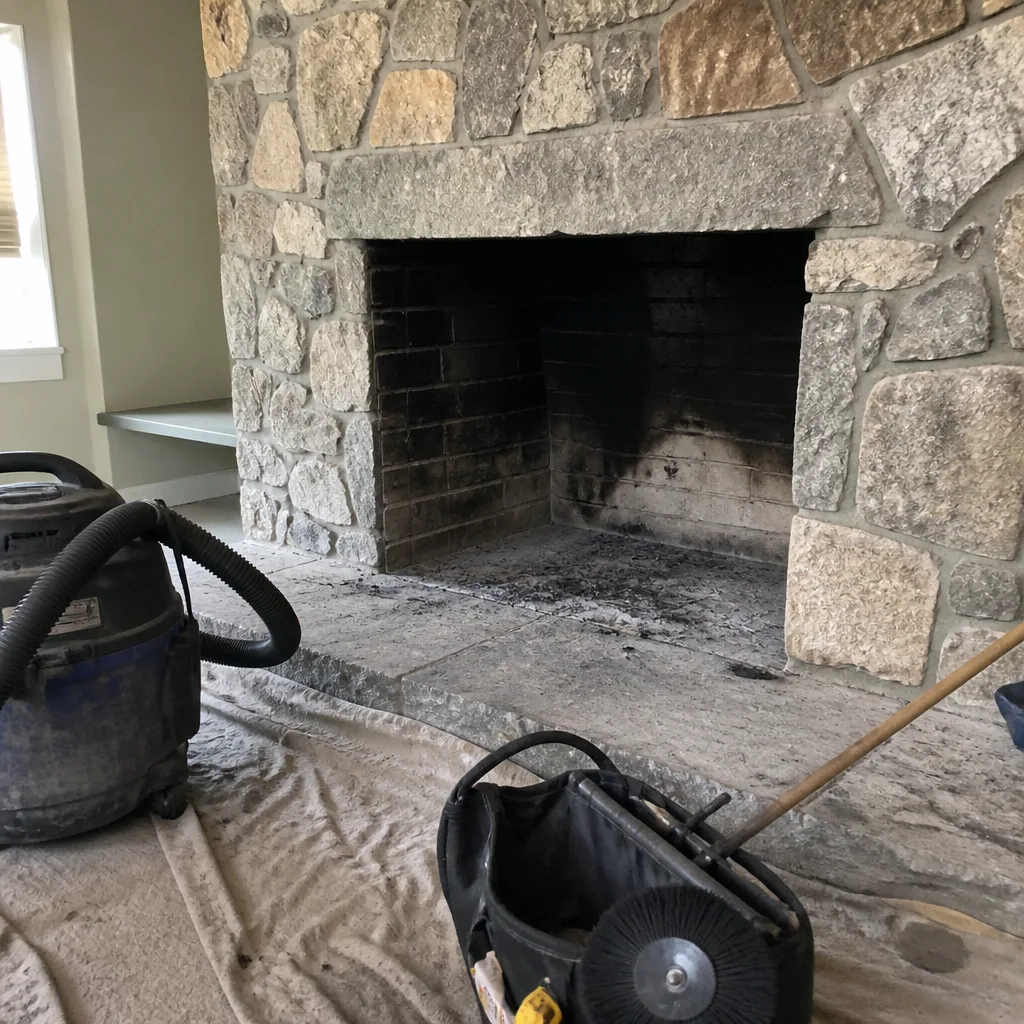
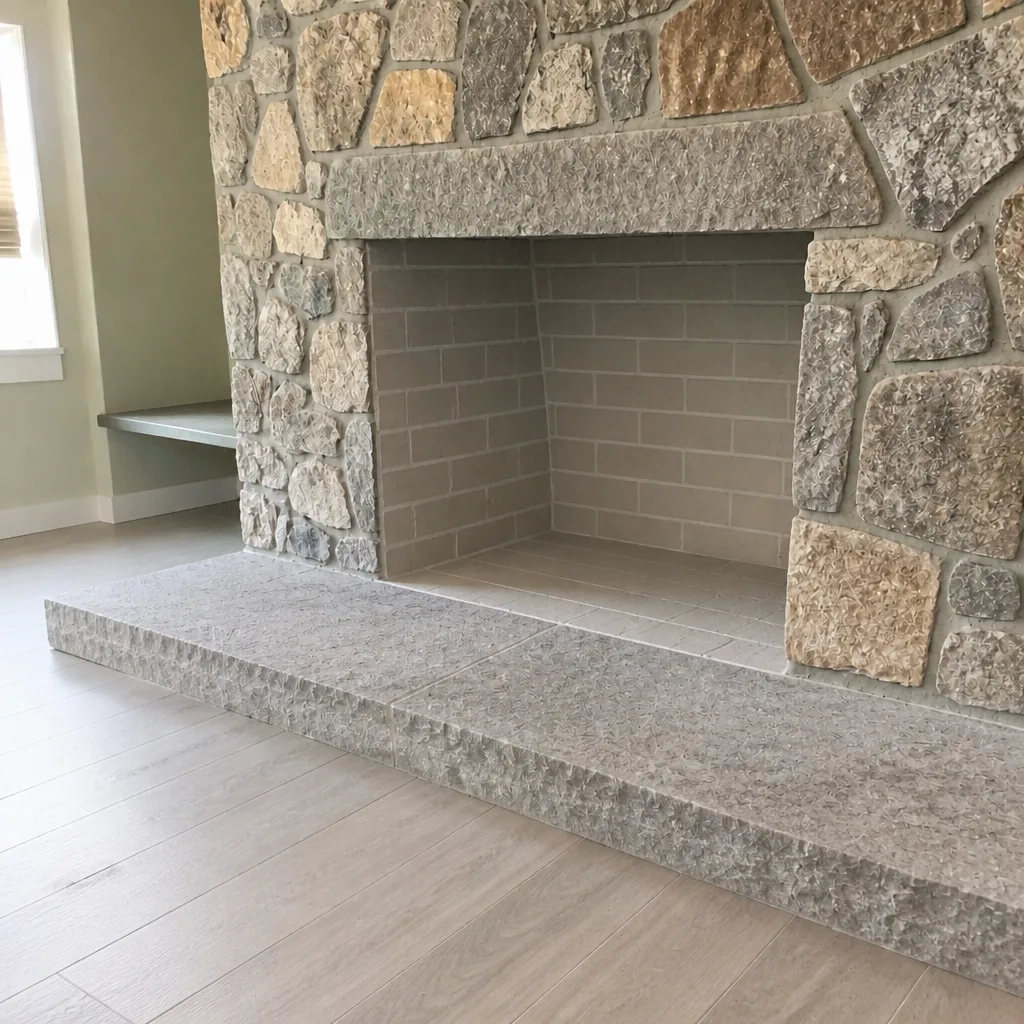
See the difference
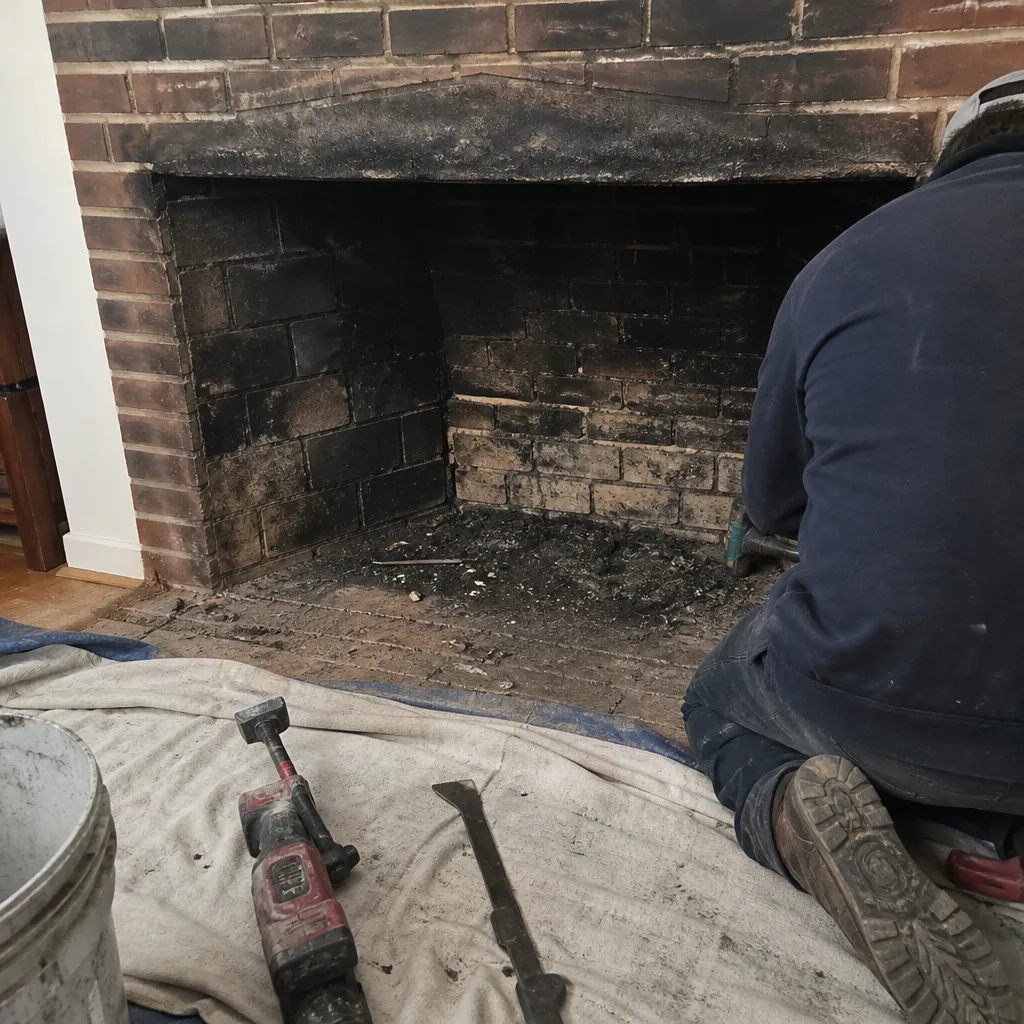 Before
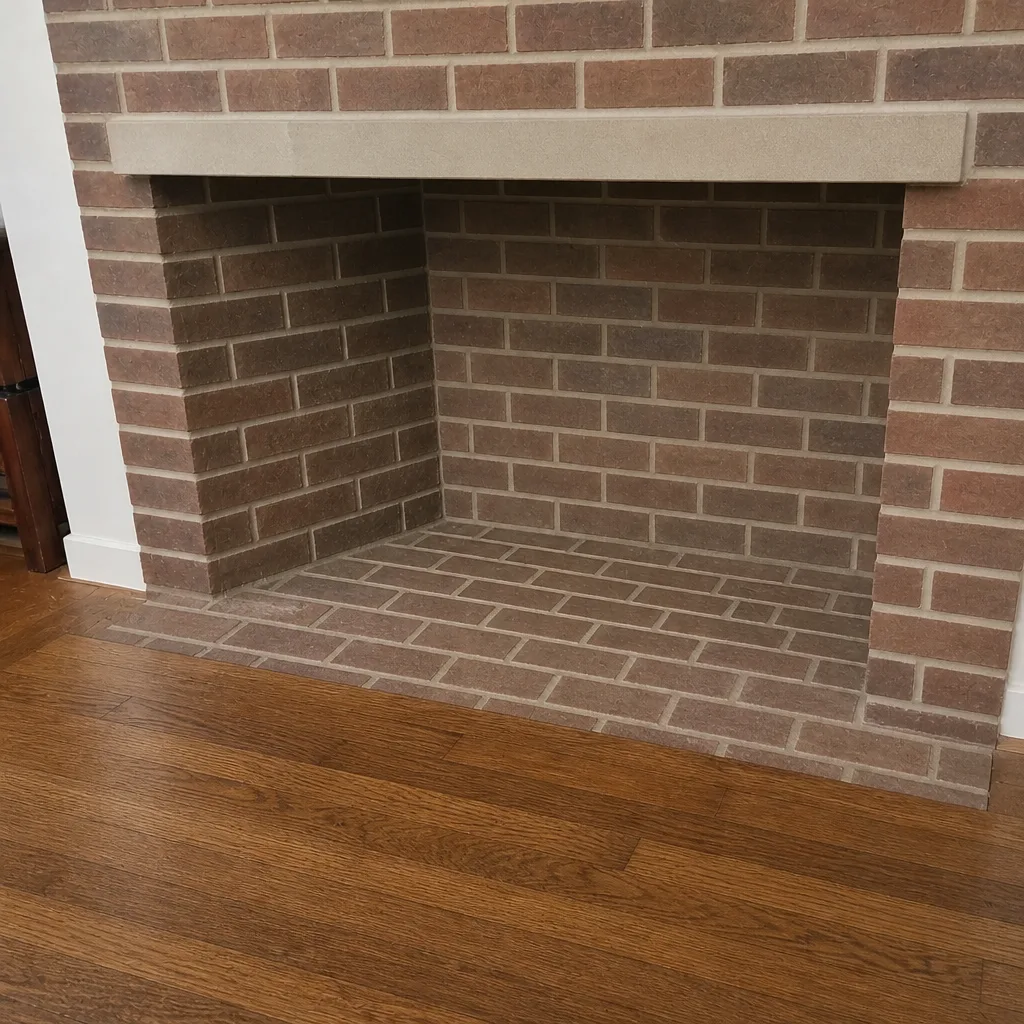 After
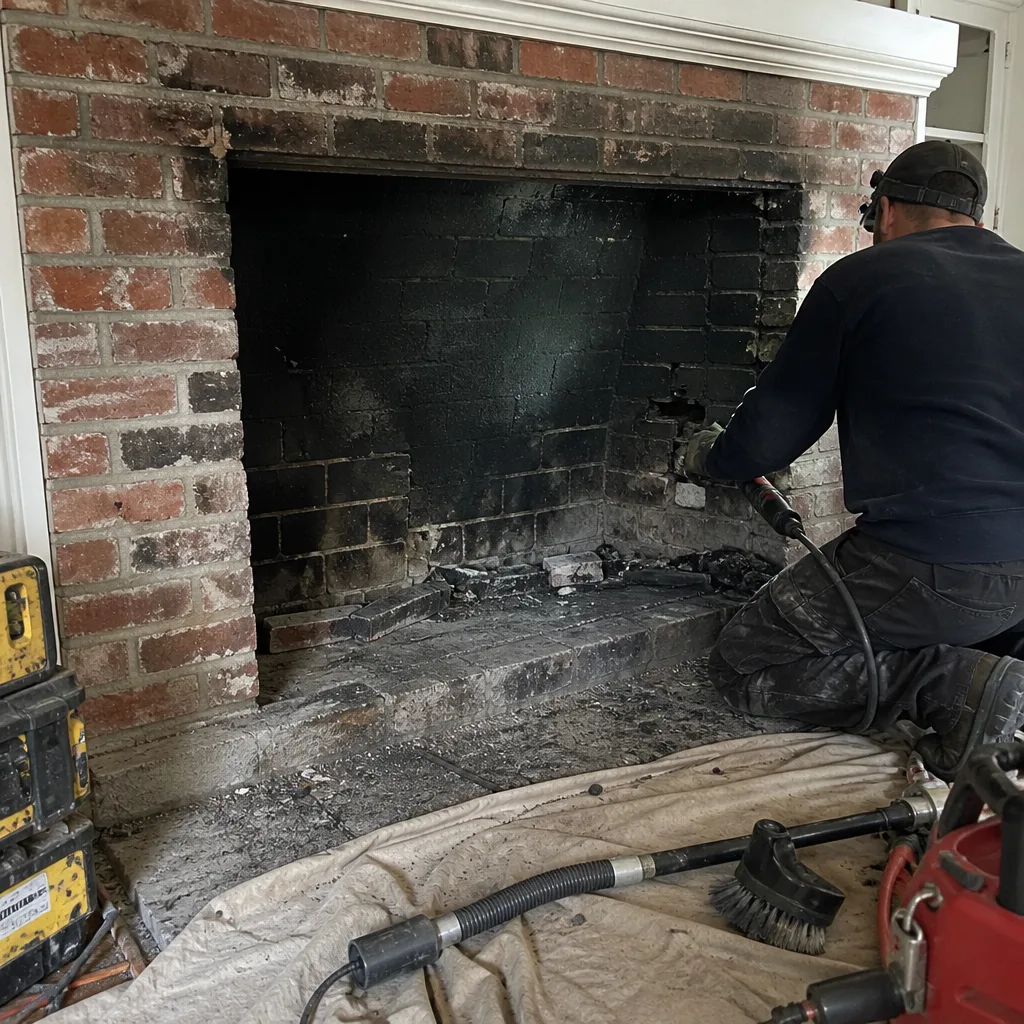 Before
 After
 Before
 After
When to Call a Professional
Call a professional when the decision isn’t about saving money – it’s about safety. That means after any chimney fire, before buying or selling a home, when you see glazed creosote or notice crumbling mortar, when smoke or draft problems persist, when a carbon monoxide detector alerts, or whenever the issue moves beyond the flue itself into caps, crowns, masonry or relining. Those are exactly the situations where a camera and trained eyes are the whole job. Chimney Sweep Sun Valley offers free estimates in Sun Valley – call (855) 710-2744. We answer 24/7, with fast dispatch from 7am to 7pm, Sunday through Friday. A call outside dispatch hours is booked into the next opening.
Frequently Asked Questions
You can remove light, loose soot from a straight flue with a consumer brush, but you can’t inspect the liner, remove glazed creosote, or clean the smoke chamber and offsets. So a partial cleaning is possible, while a fully safe result is not. For anything beyond light maintenance, book a professional sweep.
A standard professional sweep is priced per job based on your flue and condition, and the written estimate sets the final price before work begins. A DIY kit looks cheaper up front but skips the inspection and documentation that make the visit worthwhile. Call (855) 710-2744 for an exact quote – estimates are free.
You need a new liner only if the inspection shows the existing one is cracked, damaged or otherwise unsafe – and you should be able to see the camera evidence yourself before anyone recommends relining. When the structure allows it, HeatShield ceramic resurfacing can restore a deteriorated flue without a full reline, which is a cost-conscious path. If a liner is recommended, ask to see the footage.
The general rule is to have it swept and inspected when there’s a meaningful layer of buildup, or at least once a year during active use. If you burn frequently, seasoned wood or not, check earlier. If you notice glazing, book a sweep now rather than waiting for the annual visit.
Creosote builds up and, in its glazed form, is highly flammable – so the risk of a chimney fire rises with each season of neglect. Beyond fire risk, a blocked or damaged flue can let carbon monoxide back into the home, and small problems like a cracked crown or missing cap can turn into structural repairs. Skipping it doesn’t save money; it defers a bigger cost.
It can. Insurers generally expect documented maintenance, and a DIY-only history with no records can complicate a claim if a chimney fire occurs. A professional sweep and inspection gives you a written report and photos that support your side. We can’t speak to any specific policy, but documentation is always to your advantage.
The Bottom Line
The DIY vs professional question isn’t really about pride or frugality. It’s about recognizing that brushing the flue and inspecting the flue are two different jobs, and only one of them can be done safely with a $40 kit. A homeowner can handle prevention between visits – dry wood, clean burns, a visual check – and that’s worth doing. But glazed creosote, camera inspection, structural assessment, caps, crowns and any repair beyond the flue belong to a trained specialist. In Sun Valley, where fireplace season runs long, that distinction is the difference between a swept chimney and a safe one. When you’re ready for the real thing, we’re here to help.
Written by the team at Chimney Sweep Sun Valley.
Ready to move from guesswork to a documented, professional result? Call Chimney Sweep Sun Valley at (855) 710-2744 for a free estimate. We answer 24/7, with fast dispatch from 7am to 7pm, Sunday through Friday.