
Last updated November 22, 2026
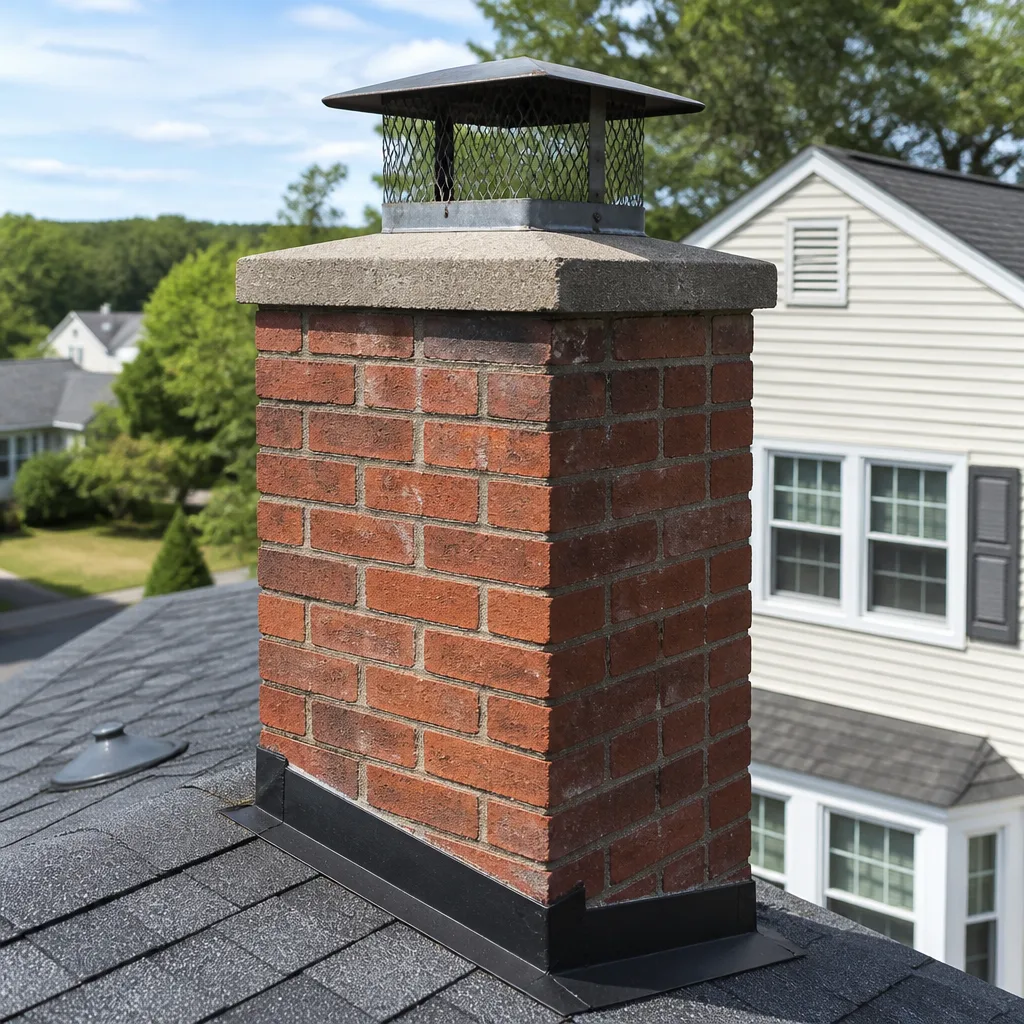 Sweep & inspection
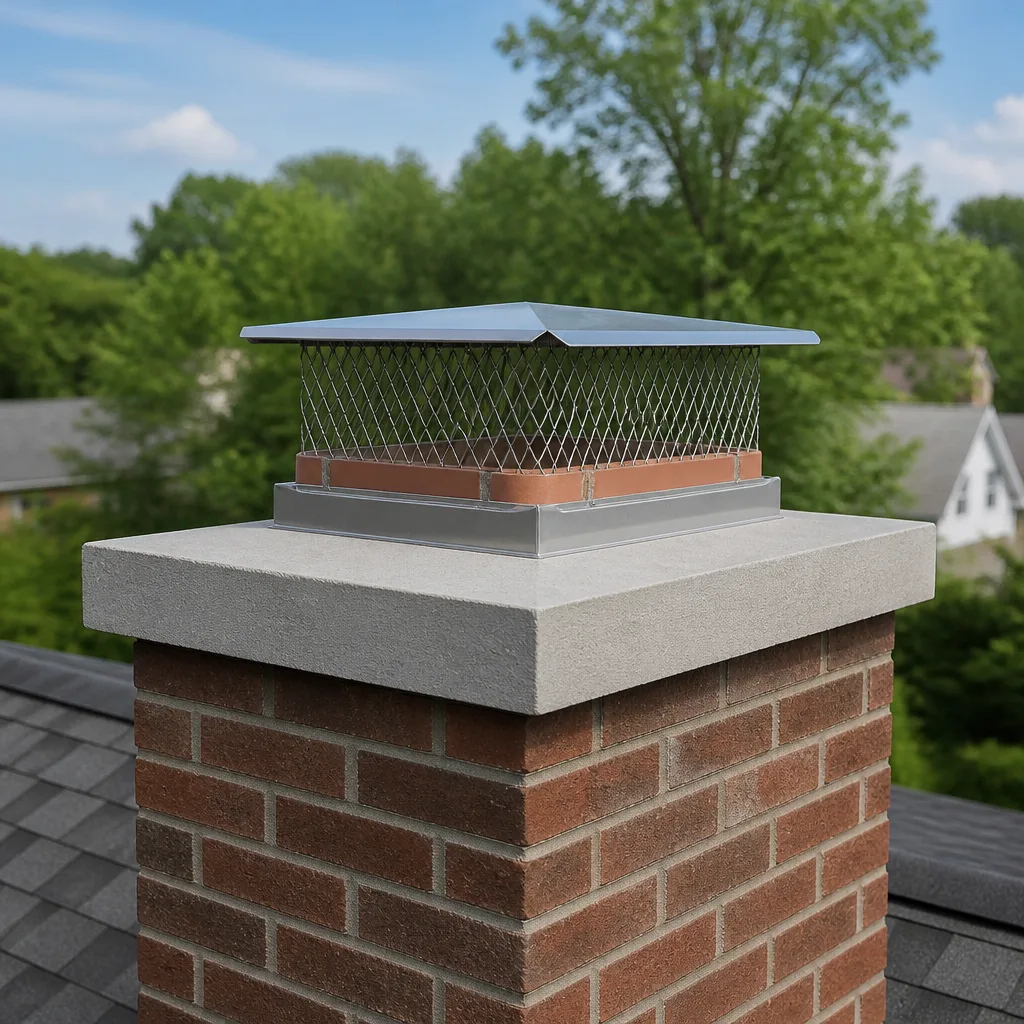 Caps & crowns
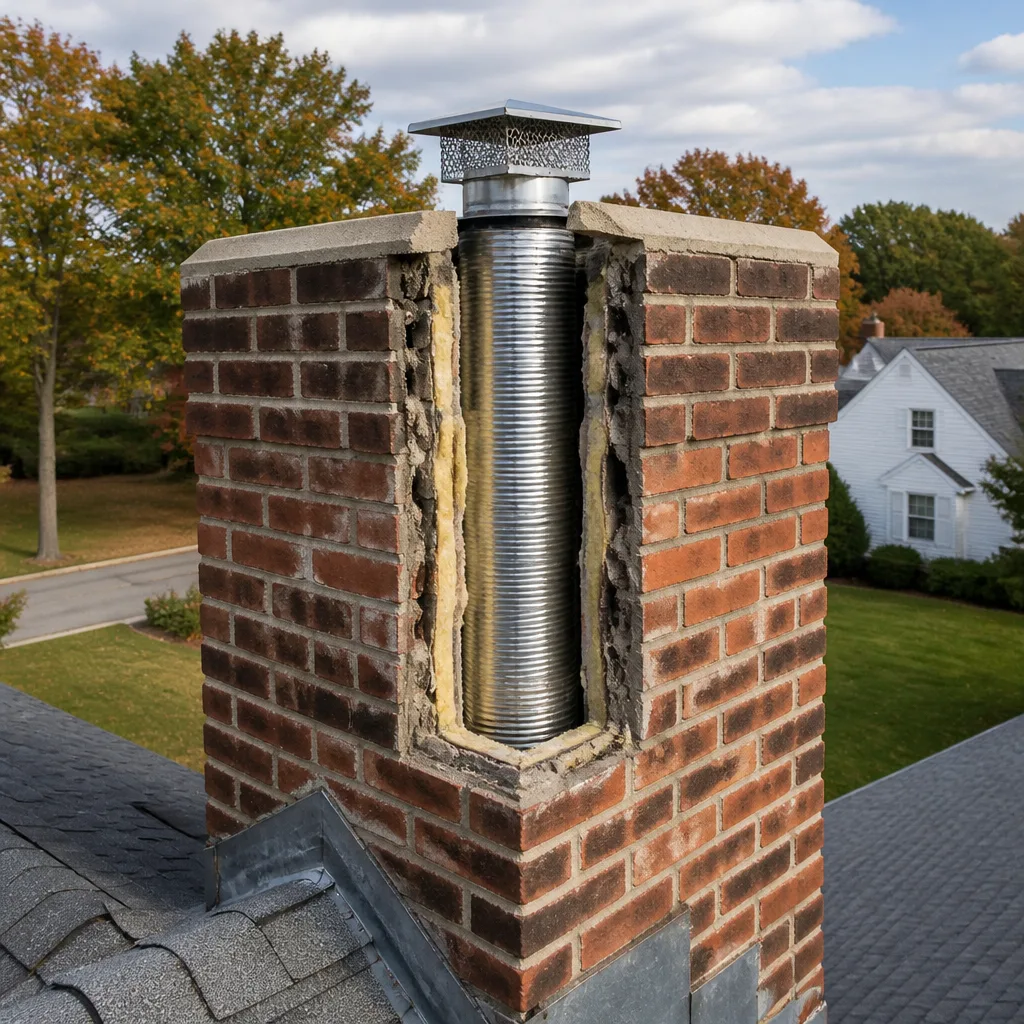 Flue relining
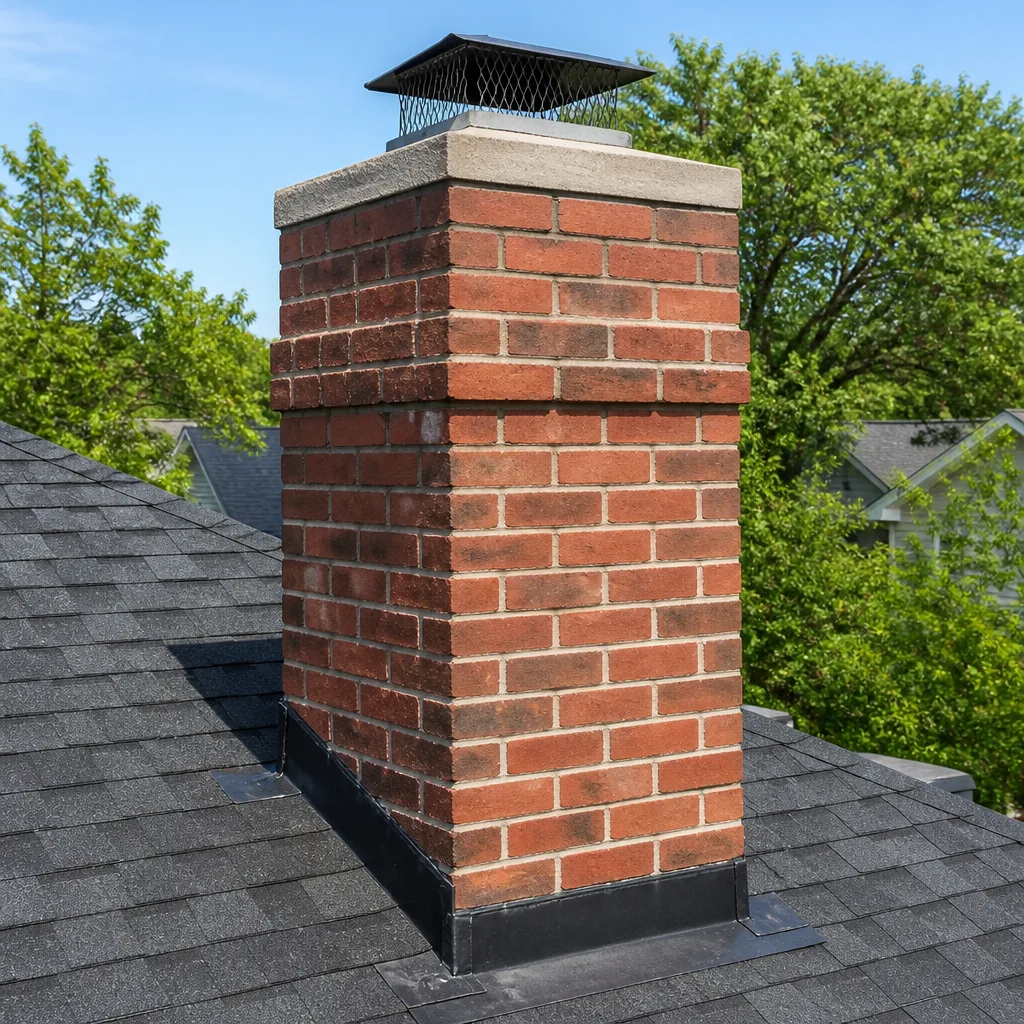 Masonry repair
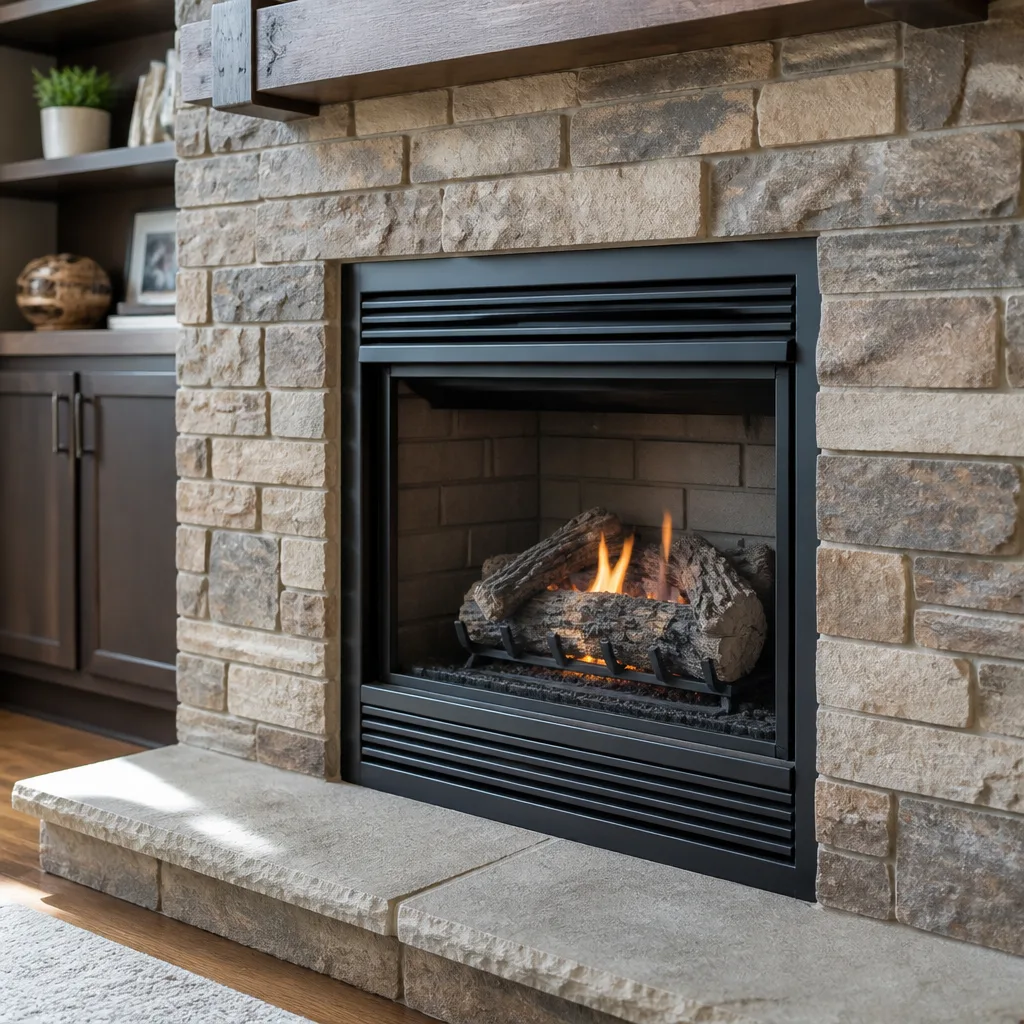 Gas fireplace service
Level 1 sweep and inspection to the NFPA 211 annual standard - flue, crown, cap, and flashing checked and photographed
Chimney sweep logs do not sweep chimneys. They loosen some creosote - which then falls where a brush and vacuum still have to collect it.
Chimney Cleaning Permits, Codes & Inspections in Sun Valley, CA: What You Need to Know
Most homeowners assume chimney cleaning never requires a permit. For the cleaning itself, that’s essentially right. But the repair your sweep “noticed while up there” and quoted on the spot? That’s a different story. In Sun Valley, the moment chimney work crosses from maintenance into alteration, liner replacement, or any structural change, Los Angeles County code requirements kick in. And skipping that permit becomes your problem at resale, not the contractor’s. This guide walks through what California classifies as maintenance versus alteration, when a Level 2 inspection becomes legally required, and how to handle unpermitted work a previous owner left behind.
Quick Answer
Routine chimney cleaning in Sun Valley, CA does not require a permit under California or Los Angeles County code. Permits typically apply to structural alterations, flue liner replacement, and repairs that change the chimney’s footprint or firebox geometry. A Level 2 inspection is generally required during real estate transactions, after a chimney fire, or following seismic activity that may have damaged the structure.
Styles & brands we work with
- Sweep & inspection
- Caps & crowns
- Flue relining
- Masonry repair
- Gas fireplace service
Table of Contents
- Maintenance vs. Alteration: How California Classifies Chimney Work
- When You Actually Need a Permit in Sun Valley
- When a Level 2 Inspection Becomes Legally Required
- Understanding NFPA 211: The Standard California Inspectors Reference
- Earthquakes, Mild Winters, and What Sun Valley’s Climate Means for Your Chimney
- How Unpermitted Chimney Work Shows Up on Disclosure Forms
- Coming Into Compliance Without a Full Rebuild
- Bringing Codes and Inspections Together
Maintenance vs. Alteration: How California Classifies Chimney Work
California treats chimney work in two buckets. Maintenance keeps the existing system functioning without changing its structure. Alteration modifies the structure itself, and that’s where permits, inspection sign-offs, and documentation come in. The distinction matters because a homeowner can authorize what sounds like a small repair and end up with unpermitted structural work on record.
Here’s how the two categories typically break down. Use this as a starting framework, then confirm the specifics with the Los Angeles County building department or your local building office before any work begins.
What counts as maintenance (no permit)
- Routine sweeping of the firebox, smoke chamber, and flue
- Level 1 and Level 2 inspections
- Replacing a chimney cap with a same-size unit
- Minor crown patching that doesn’t alter the crown’s shape or slope
- Removing creosote, bird nests, or debris from the flue
- Installing or replacing a spark arrestor screen
- Re-sealing masonry joints with mortar
What counts as alteration (permit or documentation typically required)
- Installing a new flue liner, whether rigid or flexible
- Replacing a firebox or changing its dimensions
- Adding or removing a chimney, or changing its height
- Structural repair to the chimney stack or foundation
- Converting a wood-burning fireplace to gas or a different fuel type
- Relining with a stainless system when the existing flue is damaged
This line isn’t always crisp. A crown rebuild that only replaces the top cap surface often qualifies as maintenance. A crown rebuild that involves rebuilding masonry below the crown, adding reinforcement, or changing the flue terminus usually does not. In our experience, this is where homeowners get surprised.
When You Actually Need a Permit in Sun Valley
A chimney permit in Sun Valley is generally required when the work involves structural change, a new or replacement flue liner, firebox modification, or a change to the chimney’s exterior footprint. Cleaning, inspection, and cap replacement of the same size typically do not require a permit.
Here’s what typically triggers the permit process with the Los Angeles County building department:
- Flue liner installation or replacement. Relining an existing chimney with a stainless flexible liner system changes the flue’s interior dimensions. That falls under alteration, and the permit ensures the new liner meets clearance and venting requirements.
- Structural repairs to the chimney stack. If the chimney is leaning, cracked through the masonry, or separated from the house, a structural repair permit is typically part of the conversation.
- Firebox replacement or dimensional changes. A firebox that grows or shifts changes the fireplace’s thermal envelope. That’s a code change, not a cleaning.
- Chimney height increases or rebuilds. Raising a chimney above its original height affects draft and clearance from the roof surface. Both are covered by code.
- Fuel conversion. Converting a wood fireplace to gas, or adding a gas log set that changes the flue’s required venting, can trigger a permit and inspection.
- Chimney removal. Removing a chimney is a structural change to the house and always requires a permit.
Where work is permitted, the local building department typically inspects it at framing and at final. That inspection record is the piece that matters most at resale, because a closed permit proves the work was done to code. Requesting a copy of that record from your contractor is a normal part of the job, not an unreasonable ask.
When a Level 2 Inspection Becomes Legally Required
A Level 2 inspection is the industry-standard, camera-assisted inspection that covers the accessible portions of the chimney, including the flue interior, and is generally required during a real estate transaction, after a chimney fire, after an earthquake, or whenever a change in fuel type or appliance occurs. It’s the inspection most likely to be asked for by a buyer, an insurance adjuster, or a home inspector.
NFPA 211, the standard California inspectors reference, sets out three inspection levels. Here’s the short version:
- Level 1: A visual inspection of readily accessible portions. Appropriate for routine maintenance and when no conditions suggest a problem.
- Level 2: Everything in Level 1 plus video scanning of the flue interior and inspection of accessible attic, crawlspace, and chimney areas. Required at real estate transactions, after a chimney fire, after a seismic event, or when a fuel type or appliance changes.
- Level 3: Everything in Level 2 plus inspection of concealed portions that require opening walls or removing parts of the chimney. Typically reserved for serious damage or suspected hidden issues.
For a Sun Valley home sale, a Level 2 inspection is the common request. Buyers’ home inspectors flag the chimney as a potential concern, and closing often depends on producing a Level 2 report. A licensed chimney professional documents the flue’s condition, any cracks, gaps, and creosote deposits, and photographs or records the findings. If the chimney has no recent inspection history, having one done before listing is often simpler than scrambling later.
Understanding NFPA 211: The Standard California Inspectors Reference
NFPA 211 is the National Fire Protection Association’s standard for chimneys, fireplaces, vents, and solid-fuel-burning appliances. California inspectors and the Los Angeles County building department reference it because it defines the baseline for safe clearances, venting, and inspection scope. It’s the standard behind most of the rules a chimney contractor follows.
You don’t need to read NFPA 211 cover to cover. Here’s what actually matters for a homeowner:
- Clearances. A chimney must keep a defined distance from combustible materials, typically measured around the flue. When a liner is installed or masonry is rebuilt, the clearances have to be maintained or restored. That’s why relining often involves more than inserting a flexible liner.
- Venting adequacy. A flue must be sized correctly for the appliance. A fireplace connected to an undersized or oversized flue drafts poorly and deposits creosote faster. When a liner is replaced, NFPA 211 sizing is one of the things a contractor verifies.
- Inspection scope. The three levels defined in NFPA 211 come from this standard. When someone tells you a Level 2 inspection is required, they’re referencing NFPA 211.
- Structural integrity. NFPA 211 addresses masonry, joints, and chimney stability. A chimney that’s separated from the house or has shifted masonry is a structural problem under this standard, not a cosmetic one.
In plain terms, NFPA 211 is the checklist your inspector is following. It’s also the checklist a buyer’s engineer is going to follow at resale. If a repair brings the chimney back into alignment with NFPA 211, that’s the kind of work that closes out an inspection report cleanly.
Earthquakes, Mild Winters, and What Sun Valley’s Climate Means for Your Chimney
Sun Valley sits in the San Fernando Valley, and the climate here is mild. Winters are cool but rarely freezing. That means the biggest structural threats to a chimney are not ice or snow loads. They’re earthquakes, water intrusion during the rainy season, and the slow separation of the chimney from the house that shows up after an earthquake.
Southern California’s seismicity is a real factor for chimney structure. A chimney is a tall, narrow masonry column attached to the house. It’s exactly the shape that tends to flex, crack, or separate during a seismic event. If the chimney shows new cracks, offset mortar joints, or a lean toward or away from the house, a Level 2 inspection is the right next step. NFPA 211 and California inspectors treat post-earthquake damage as a reason for expanded inspection.
The local weather picture matters too. Sun Valley’s rainy season concentrates water on the crown and cap. A chimney crown that’s cracked or a cap that’s missing lets water into the masonry, and that water causes the same kind of damage in mild-winter Sun Valley that freezing winter weather causes elsewhere. Water weakness is progressive, and the fix is much simpler when the crown and cap are caught early. Our technicians see this constantly, and it’s why we treat chimney cap & crown as its own dedicated service rather than an add-on to a sweep. We install Gelco and Famco caps and rebuild crowns with purpose-built materials, because those are the two most common points of water intrusion.
For a homeowner in Sun Valley, the practical takeaway is this: watch the crown and cap after every rainy season and every noticeable earthquake. Small repairs done early almost always cost less than structural repairs done late.
How Unpermitted Chimney Work Shows Up on Disclosure Forms
Unpermitted chimney work usually surfaces at resale, not the moment it’s done. A home inspector flags the chimney, the buyer’s inspector requests a Level 2 inspection, and the resulting report notes work without a permit on record. That report becomes a negotiating point, and in some cases a deal-breaker.
California’s transfer disclosure statement requires the seller to disclose known material defects and alterations. Chimney work is one of the areas that gets captured, and it often comes up when a homeowner has relined the flue, added a new insert, or rebuilt a portion of the chimney without pulling a permit. The buyer’s inspector will check records with the building department, and a permit that was never pulled is a permit that shows as missing.
For a Sun Valley home sale, this creates a specific risk. The San Fernando Valley is a market where a lot of homes have been rehabbed or flipped. Some of that work was permitted, and some wasn’t. A flue liner installed without a permit may be perfectly safe in real terms, but without the permit and inspection record, the buyer has no way to verify it. That uncertainty turns into a credit, a repair request, or a lost sale.
The fix is not to hide it. The fix is to document the chimney the way it is now. A Level 2 inspection with a photo report gives a buyer a current condition report instead of an empty permit file. Where work has been done and the structure is sound, that report often satisfies the buyer’s concerns without requiring a rebuild.
Coming Into Compliance Without a Full Rebuild
If a previous owner had unpermitted chimney work done, you can usually come into compliance without a full rebuild, provided the existing structure is sound. The sequence is: inspect the chimney thoroughly, document the current condition, and repair only what actually requires repair. Unpermitted doesn’t automatically mean unsafe, and unsafe doesn’t automatically mean rebuild.
Here’s how we approach it when a homeowner calls us worried about unpermitted work on a Sun Valley property:
- Start with a Level 2 inspection. Camera-assisted video of the flue interior, inspection of the firebox, crown, cap, and accessible exterior. The goal is to know what’s actually there.
- Photograph and document findings. A written report with photos becomes the record of current condition, which is exactly what a buyer or a building department needs to see later.
- Identify what’s non-compliant vs. what’s just undocumented. A relined flue that meets NFPA 211 clearances and venting may simply lack paperwork. A flue with gaps, cracked tiles, or a liner installed without proper clearance is a real defect.
- Repair only the defective portions. Where the flue interior is deteriorated but structurally sound, HeatShield ceramic resurfacing can restore the flue liner without a full relining. That’s a repair-rather-than-replace path, and it’s less disruptive and less expensive than relining when the structure allows it.
- Where relining is the correct answer, do it correctly. We install DuraFlex flexible liner systems, which are the professional standard for relining older or offset flues. That matters because an offset flue will not accept a rigid or one-size-fits-all liner without the right flexible system.
- Pull the permit where one is required. If the repair crosses into alteration, a permit and inspection turn the work into documented, code-compliant work. That closes the file.
- Keep the paperwork together. Inspection report, permit, and repair documentation in one folder. That folder is worth more at resale than any verbal reassurance.
Not every unpermitted job needs to be reopened. Plenty of chimneys have undocumented repairs that are nonetheless sound. The point is to find out with evidence, not to assume the worst or the best.
Common Mistakes to Avoid
- Assuming the sweep handles the permit. Sweeping rarely requires a permit, so a sweep may not pull one for a repair they also quoted. Confirm who is pulling the permit and ask for the permit number before the work begins.
- Accepting a verbal “we’ll handle it” on structural work. Structural repairs to the stack, firebox modifications, and relining need a paper trail. A contractor who won’t put that in writing is telling you something.
- Skipping the Level 2 before listing a Sun Valley home. Buyers’ inspectors will request one anyway. Doing it first gives you time to repair anything that gets flagged without a deadline hanging over the negotiation.
- Trusting a “sealed up” chimney as safe. An unpermitted chimney that’s been functionally closed off still exists structurally. It still gets inspected, and it still shows up on disclosure forms.
- Letting a crown or cap go without attention through the rainy season. Water intrusion is the most common root cause we see for structural chimney repair. Caught early, it’s a crown fix. Caught late, it’s a rebuild.
- Assuming a repair done years ago is still sound. A relocation, a seismic event, or a heavy rainy season can change the picture. A current inspection tells you what’s actually there.
- Hiring a generalist for chimney work. A pressure-washing company that added “chimney sweep” to its menu won’t have the inspection tools or the professional trade materials to document what they find. We source from Olympia Chimney and Copperfield for the same reason.
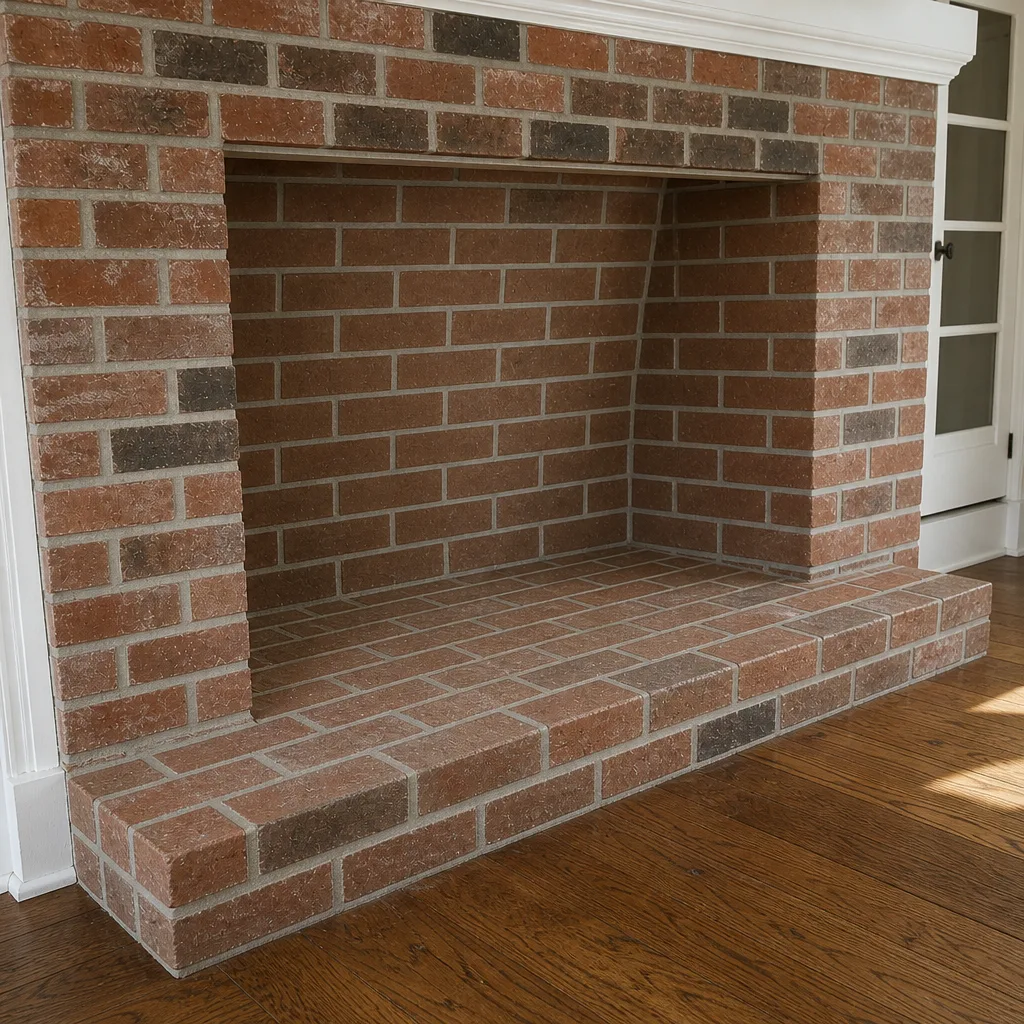
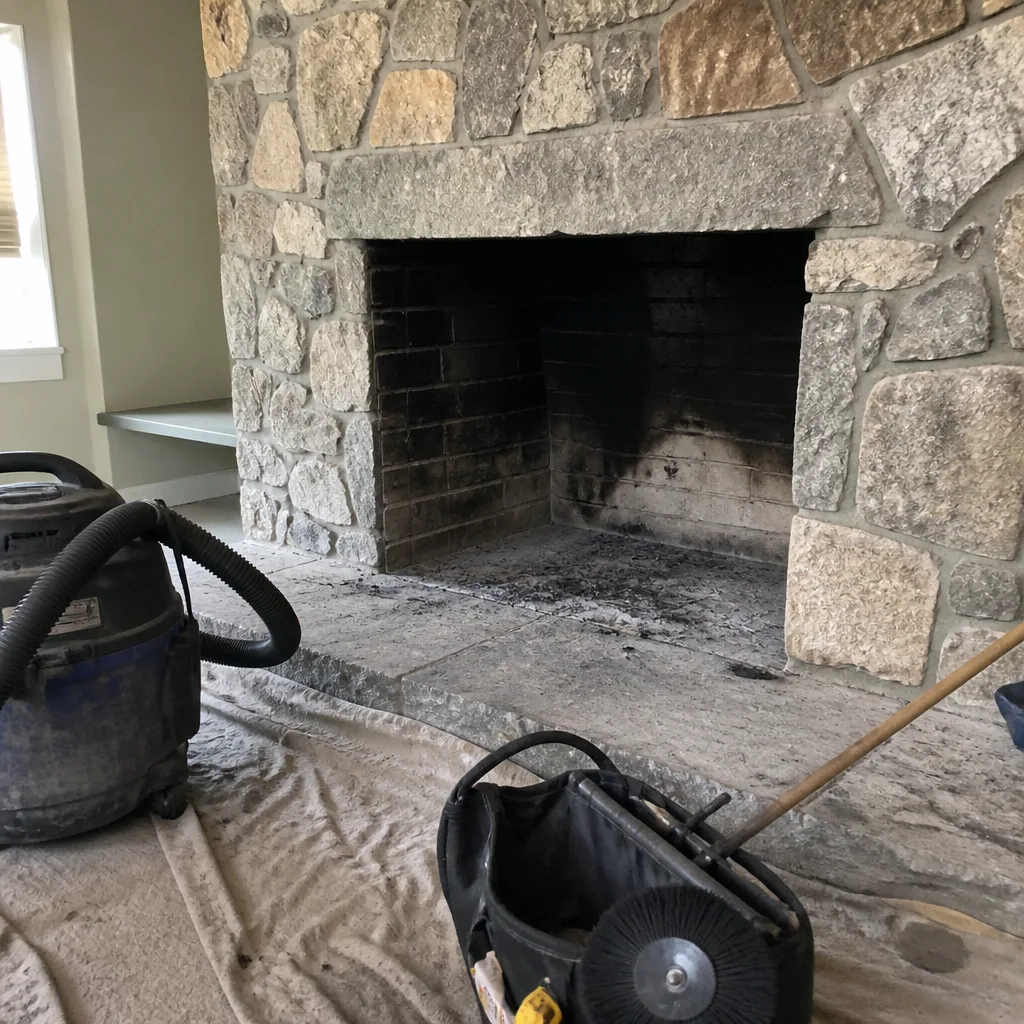
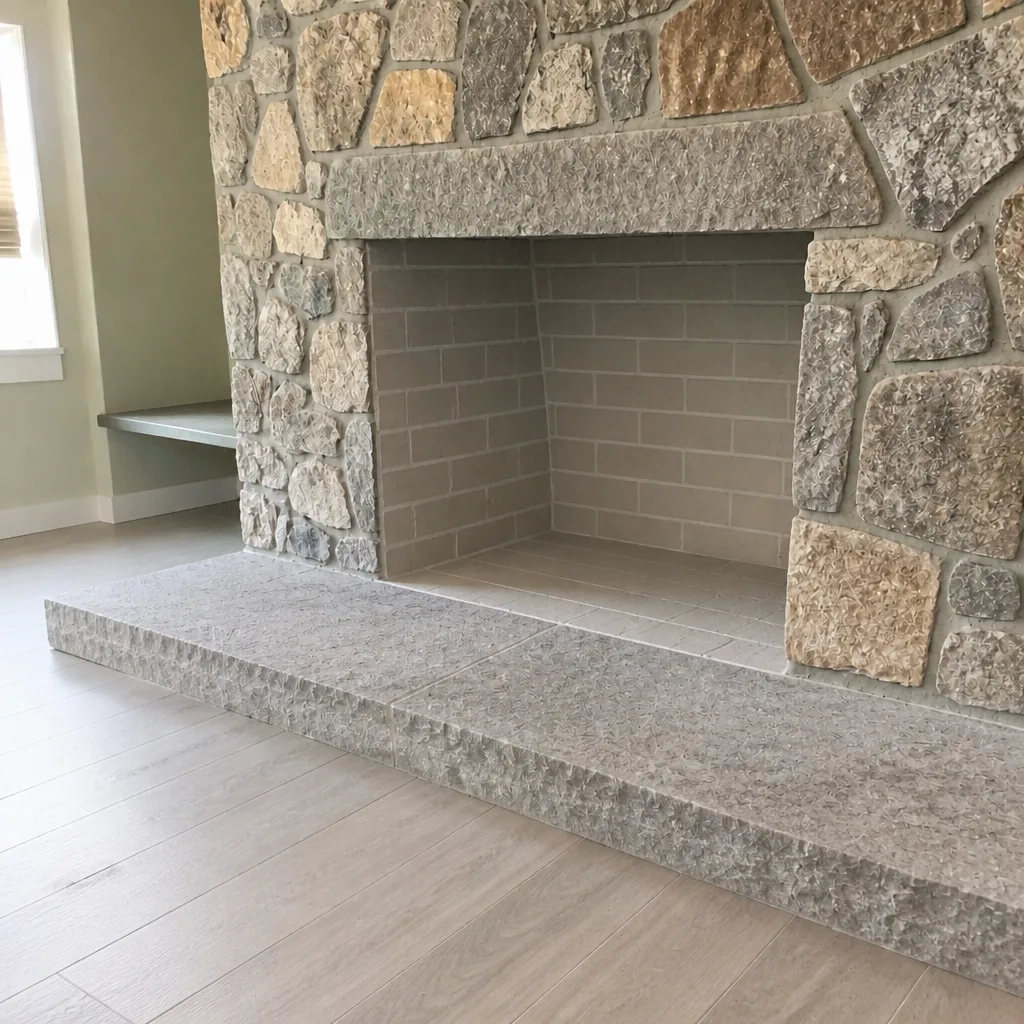
See the difference
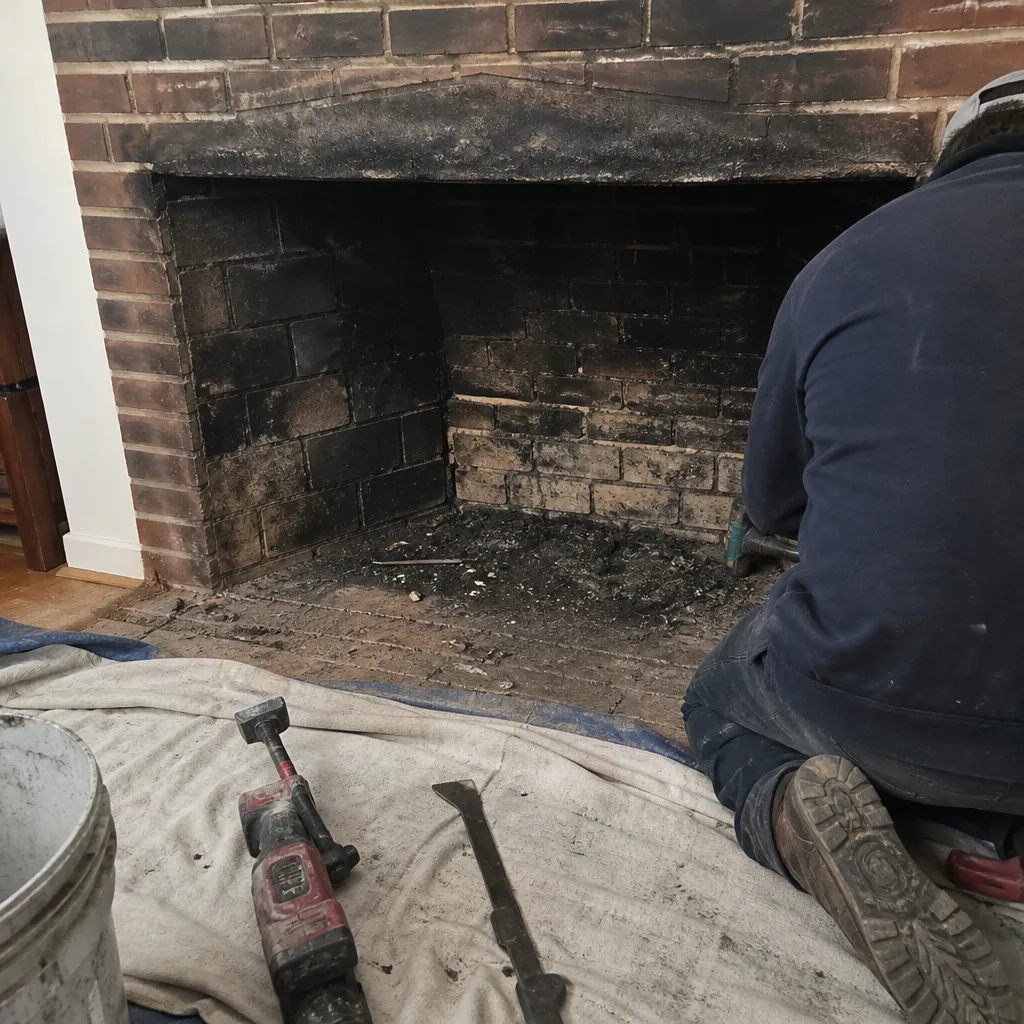 Before
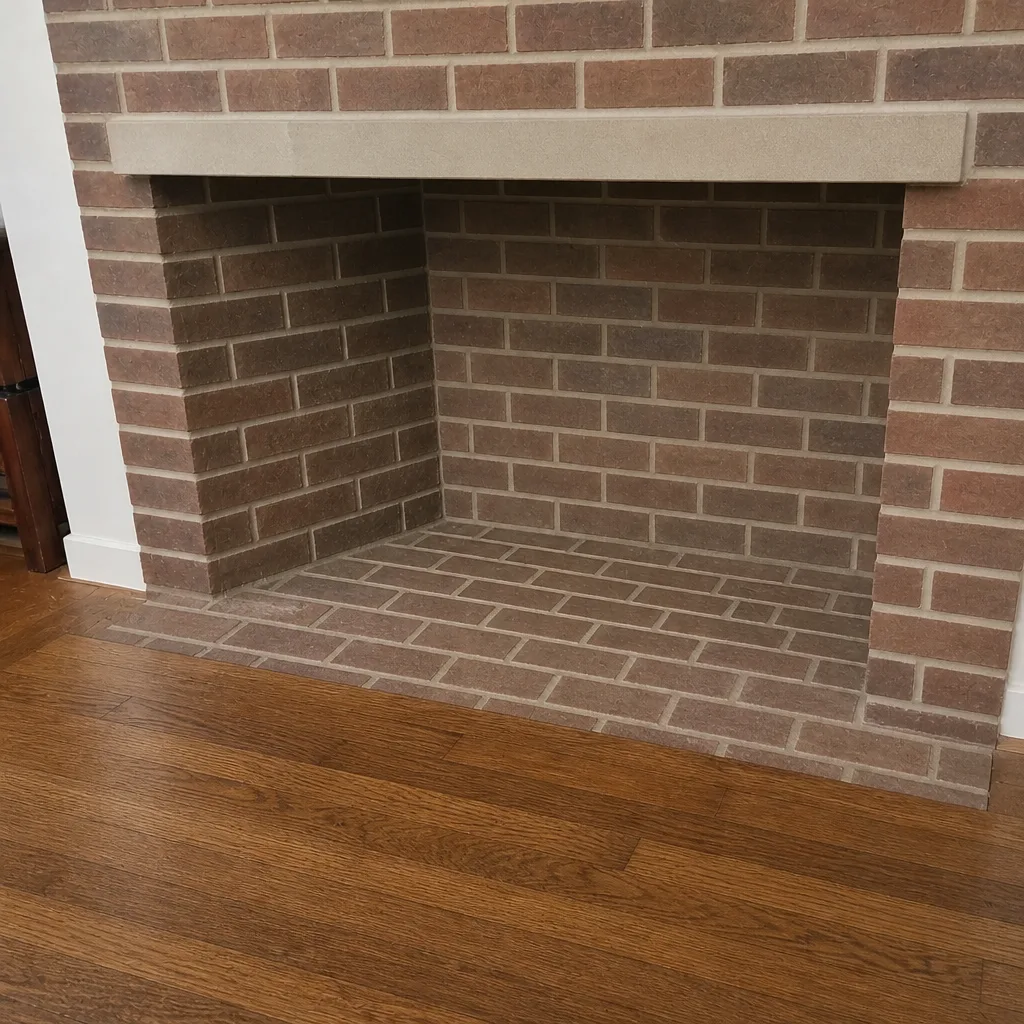 After
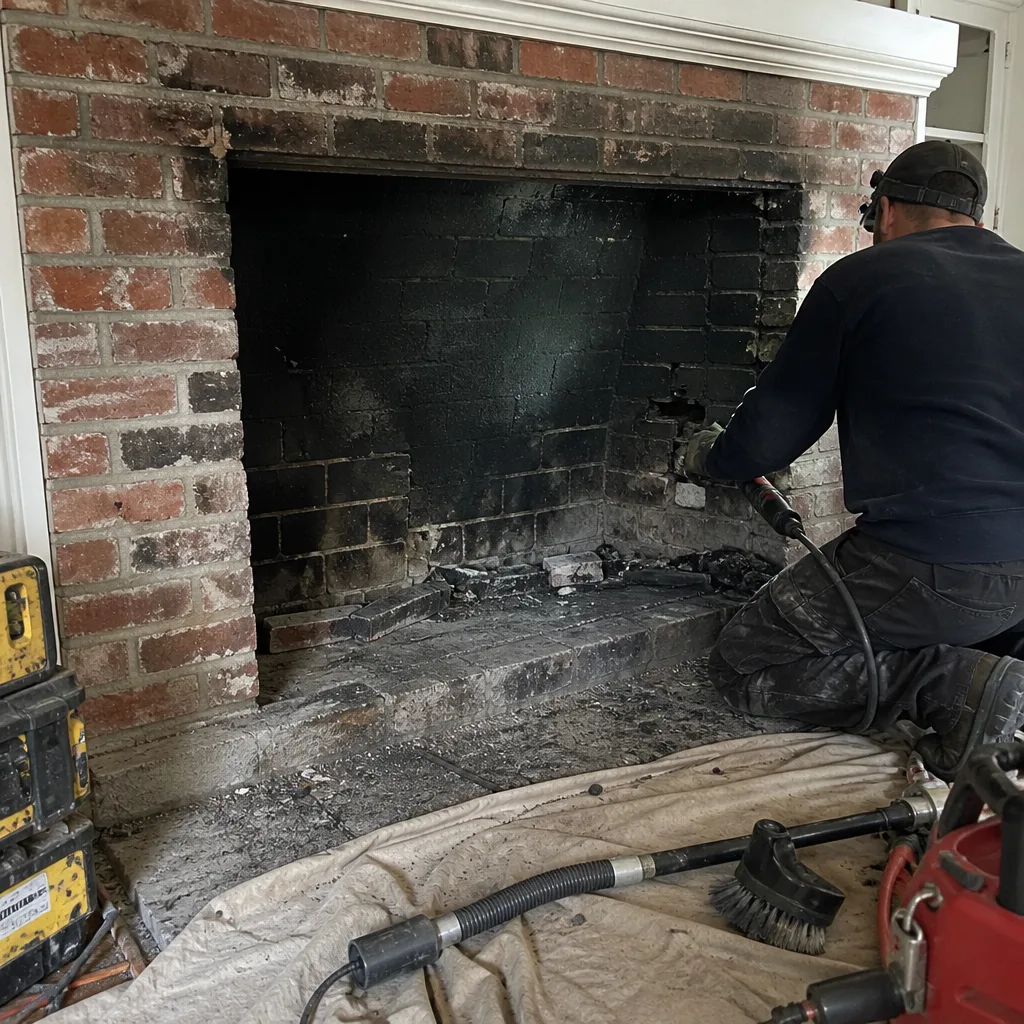 Before
 After
 Before
 After
When to Call a Professional
Call for a professional chimney assessment when you’re selling a Sun Valley home and need a Level 2 inspection, when you’ve noticed a chimney lean, cracked crown, or separated masonry after an earthquake, or when a previous owner’s unpermitted work shows up in a home inspection and you need it documented. Call if your sweep found a defect and quoted a repair without photography or a written report, because that repair needs a second look before you authorize it. Call if you’ve never had the chimney inspected and you can’t confirm it was done before you bought the house. And call if the flue hasn’t been swept recently and you’ve been burning regularly. Chimney Sweep Sun Valley offers free estimates in Sun Valley. Call (855) 710-2744. We answer 24/7. Fast dispatch from 7am to 7pm, Sunday through Friday. We work with professional-trade brands like DuraFlex, HeatShield, and Olympia Chimney because those are the materials the trade specifies, not what’s on the shelf at the hardware store.
Bringing Codes and Inspections Together
Codes govern the structure, and inspections verify the structure. That’s the relationship between the two, and it’s the reason a chimney sweep is the starting point of a service visit, not the end of it. A sweep finds the current condition. An inspection records it. Where the findings are clean, you have documentation. Where the findings need repair, you have a scope of work to price, permit if required, and complete.
For most Sun Valley homeowners, the working relationship with a chimney contractor comes down to two documents. First, the inspection report. It should include photos of the flue interior, the crown, the cap, and the firebox, and it should state what needs repair and what can safely wait. Second, the written estimate. It should price the job as a fixed scope, not an open-ended hourly rate. Those two documents are what you show a buyer, an insurer, or a building inspector, and they’re the durable output of a properly run chimney service. Where repairs cross into structural work, chimney repair handles the technical scope. Where the fireplace itself needs attention, fireplace repair covers the firebox side of the system, and both are handled by the same company for the same reason: a chimney is a system, and system problems cross back and forth between the firebox and the flue.
If your home has an unpermitted repair on record, the inspection report is your path forward. If the report shows the structure is sound, you may not need to do anything more than keep the report on file. If the report shows a defect, you know exactly what to repair. Either way, the answer starts with someone actually looking up the flue and telling you what’s there. That’s what we do.
Frequently Asked Questions
No, routine chimney cleaning in Sun Valley does not require a permit. Sweeping the firebox and flue is maintenance, and Los Angeles County does not require a permit for it. Call (855) 710-2744 for a cleaning and inspection quote – estimates are free.
Permits are generally required for work that alters the chimney’s structure, including flue liner replacement, firebox modifications, structural stack repair, chimney height changes, fuel conversion, or chimney removal. Cleaning and same-size cap replacement typically do not require one. Call (855) 710-2744 to talk through your specific repair and whether a permit applies.
A Level 2 inspection is typically required during a real estate transaction and is usually requested by the buyer’s home inspector. If you’re listing a house in Sun Valley, having the inspection done before the sale begins gives you time to address anything that comes up. Call (855) 710-2744 to schedule one.
The buyer’s inspector will likely request it anyway, and the chimney becomes a negotiating item under a deadline. Skipping the inspection doesn’t avoid the question; it just moves it to the worst possible moment. Call (855) 710-2744 to get ahead of it – estimates are free.
Usually not. Unpermitted work is often sound in real terms and just lacks the paper trail. A Level 2 inspection with photos documents the current condition, and repairs or HeatShield resurfacing can fix any actual defects without a rebuild. Call (855) 710-2744 to schedule an inspection and get a written report.
Sometimes, yes. If the flue interior is deteriorated but the structure is intact, HeatShield ceramic resurfacing can restore the liner without a full replacement. Where the flue is offset or the damage is more extensive, a DuraFlex liner system is the correct answer. Call (855) 710-2744 and we’ll tell you which applies after inspecting your flue.
A chimney used regularly should typically be swept once a year, or more often if you burn heavily or notice draft problems. Mild winters don’t change the creosote buildup rate much, and a yearly sweep also surfaces crown and cap problems early. Call (855) 710-2744 to book a sweep and inspection.
Creosote accumulates in the flue, and that’s the fuel for a chimney fire. Blockages and cracks also go undetected, which matters for carbon monoxide venting. An annual sweep and inspection is the simplest way to catch a problem before it becomes a structural repair. Call (855) 710-2744 – estimates are free.
The Bottom Line
Chimney cleaning in Sun Valley is maintenance and needs no permit. What needs a permit is the repair that comes after a sweep finds something: relining, structural stack work, firebox changes, or fuel conversion. California and Los Angeles County draw that line, NFPA 211 defines the standards behind it, and a Level 2 inspection is what documents the current condition of the chimney for a buyer, an insurer, or a building inspector. If a previous owner left unpermitted work, a Level 2 inspection report is the path to compliance without a full rebuild. For a chimney sweep, an inspection, or a professional opinion on whether your chimney needs repair, Chimney Sweep Sun Valley is here to help.
Call (855) 710-2744 for a free estimate. We answer 24/7. Fast dispatch from 7am to 7pm, Sunday through Friday.
Written by the team at Chimney Sweep Sun Valley.